By Erika Segales, El Deber:
12 Questions and Answers to Understand the Flexible Exchange Rate and Its Implementation
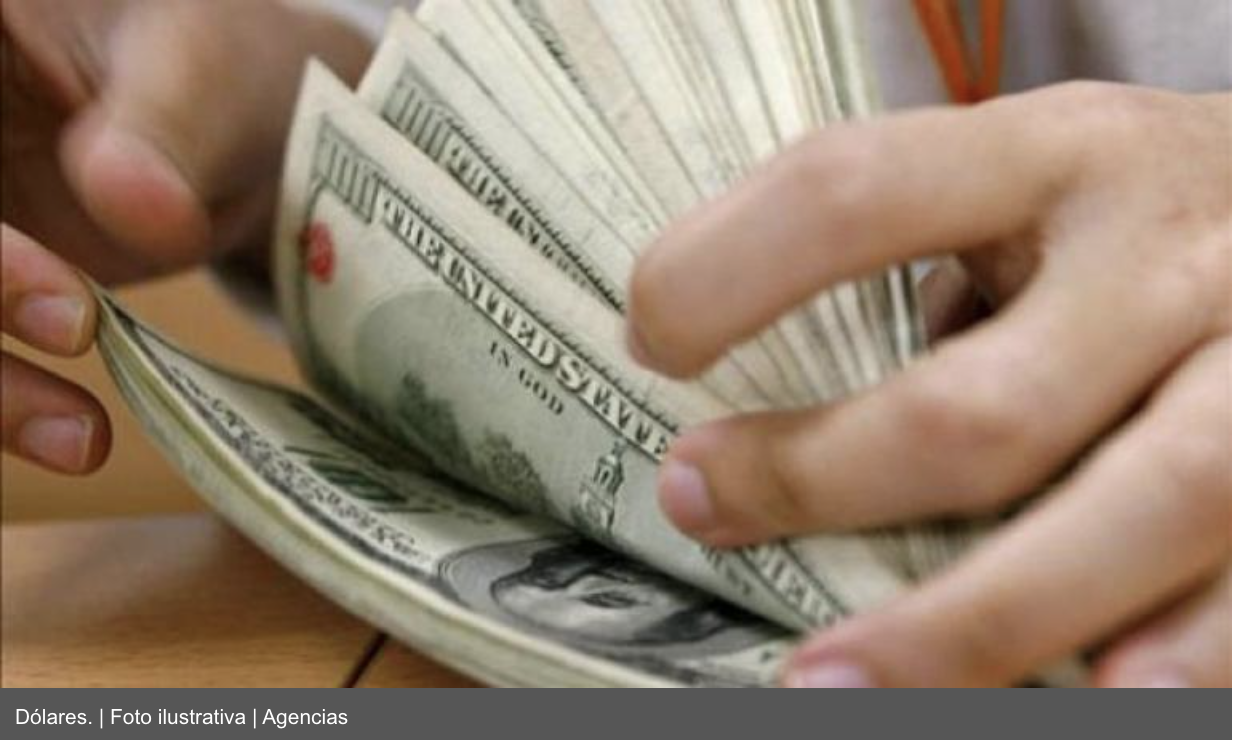
The new exchange-rate regime replaces the fixed rate and establishes that the price of the U.S. dollar will be calculated daily starting June 29.
Bolivia is entering a new exchange-rate phase beginning Monday, June 29. The country will leave behind the fixed exchange rate of Bs 6.96, which had been in place for nearly 15 years, and adopt a flexible system in which the official value of the dollar will be determined daily based on foreign-currency purchase transactions carried out within the financial system.
What will happen to savings? Will prices rise? What happens to debts denominated in dollars? Does this represent an adjustment to reflect market reality in the value of the boliviano? These are some of the questions arising among the population.
The following questions and answers explain how the flexible exchange rate may affect savings, loans, prices, and everyday transactions.
- What does it mean that Bolivia will have a flexible exchange rate?
- It means that the dollar will no longer have a fixed value. Instead, the official exchange rate will be calculated daily using as a reference the dollar purchase transactions conducted by financial institutions with their clients. The Central Bank will publish the new Official Exchange Rate (TCO) for each business day.
- Where can I check the dollar exchange rate?
- The official dollar exchange rate will vary and can be consulted through the channels of the Central Bank of Bolivia (BCB). Every business day, starting at 8:00 p.m., the central bank will publish on its website the exchange rate that will be valid for the following day.
- When does the flexible exchange rate take effect?
- The measure takes effect on Monday, June 29. For that day, the BCB established the official exchange rate at Bs 9.73 per dollar.
- Can the dollar return to the previous rate of Bs 6.96?
- Under a flexible exchange-rate regime, the rate can rise or fall depending on the supply and demand for dollars. It is not impossible for the exchange rate to return to Bs 6.96 at some point, but that value will no longer be fixed as it was for nearly 15 years.
- If more dollars enter the country or supply increases, the price may fall; if availability decreases and demand rises, it may increase.
- How will the official dollar exchange rate now be calculated?
- The new official exchange rate will be based on actual transactions carried out within the financial system. The Financial System Supervisory Authority (ASFI) will require commercial banks, SME banks, and the state-owned bank to report all dollar purchase transactions conducted with their clients up to 5:00 p.m. each day. Based on that information, the exchange rate will be established and later published by the Central Bank of Bolivia.
- How will authorities prevent the dollar from soaring?
- Although the new regime allows the exchange rate to move according to the supply and demand of foreign currency, the State maintains monitoring and intervention mechanisms to prevent sharp fluctuations.
- The BCB will continue participating in the foreign-exchange market and publishing the official exchange rate. The government also maintains that it retains the capacity to intervene through the foreign-currency resources available to the country.
- If I have a loan, will my payments increase because of the new exchange rate?
- Loans denominated in bolivianos will maintain the same agreed-upon conditions. According to the government, the vast majority of loans in the financial system are in the national currency, so fluctuations in the dollar do not alter installment amounts or established interest rates.
- What happens if I have a debt in dollars?
- It depends on the contract. If the obligation is denominated in dollars, repayment must take into account the prevailing exchange rate. However, many transactions were already being conducted at values close to the market rate before this measure.
- Will my dollar savings be affected by the new regime?
- If a person has dollars deposited in an account, they still own those dollars. The change lies in the value at which those dollars can be converted into bolivianos, since the new official exchange rate will now apply instead of the previous fixed rate.
- What will happen to the prices of imported products?
- Products that depend on imports may be affected because importers need dollars to purchase goods, pay suppliers, or bring inputs into the country. If the cost of the dollar changes, this may be reflected in some prices.
- However, the impact will depend on each product and on exchange-rate movements. The government argues that having a single reference exchange rate will reduce the distortions that had already been affecting import costs and price formation.
- Does this measure represent an adjustment to reflect market reality in the value of the boliviano?
- The government rejects the characterization of the measure as a devaluation and instead describes it as an adjustment to reflect market reality in the exchange rate. Critics, however, argue that the measure effectively acknowledges a loss in the boliviano’s value against the dollar.
- Since the shortage of dollars began, many transactions had already been carried out using a reference rate or the parallel-market exchange rate.
- Why was it necessary to abandon the fixed exchange rate?
- The government argues that the fixed exchange rate no longer reflected economic reality because many transactions were already being conducted at values different from the official rate. With the new system, it seeks to establish a single reference rate for all transactions.
Por Erika Segales, El Deber:
12 preguntas y respuestas para entender el cambio flexible y su aplicación

El nuevo régimen cambiario reemplaza la cotización fija y establece que el precio del dólar se calculará diariamente a partir del 29 de junio.
Bolivia inicia una nueva etapa cambiaria desde el lunes 29 de junio, el país dejará atrás el tipo de cambio fijo de Bs 6,96 vigente durante casi 15 años y aplicará un esquema flexible, en el que el valor oficial del dólar será determinado diariamente con base en las operaciones de compra de divisas realizadas en el sistema financiero.
¿Qué pasará con los ahorros?, ¿subirán los precios?, ¿qué ocurre con las deudas en dólares?, ¿es una devaluación de los bolivianos?, son algunas preguntas que surgen entre la población.
Estas son las claves para entender cómo puede impactar el cambio flexible en ahorros, créditos, precios y operaciones cotidianas.
- ¿Qué significa que Bolivia vaya a tener un tipo de cambio flexible?
- Significa que el dólar ya no tendrá una cotización fija, sino que el valor oficial será calculado diariamente tomando como referencia las operaciones de compra de dólares que realizan las entidades financieras con sus clientes. El Banco Central publicará el nuevo Tipo de Cambio Oficial (TCO) para cada jornada hábil.
- ¿Dónde puedo consultar el precio del dólar?
- El precio oficial del dólar será variable y se puede consultar la cotización del día en los canales del Banco Central de Bolivia (BCB).Cada día hábil a partir de las 20:00, el ente emisor publicará en su página web www.bcb.gob.bo la cotización que será vigente para el día siguiente.
- ¿Desde cuándo se aplica el cambio flexible?
- La medida entra en rigor desde el lunes 29 de junio. Para este día el BCB estableció que el cambio oficial será de Bs 9,73.
- ¿El dólar puede volver al precio anterior de Bs 6,96?
- En un régimen cambiario flexible, la cotización puede subir o bajar dependiendo de la oferta y demanda de dólares. No es imposible, que en algún momento se presente una cotización de Bs 6,96, pero este valor deja de ser una cotización fija como ocurrió durante casi 15 años.
- Si ingresan más dólares al país o aumenta la oferta, el precio puede bajar; si hay menos disponibilidad y mayor demanda, puede subir.
- ¿Cómo se calculará ahora el precio oficial del dólar?
- El nuevo tipo de cambio oficial se calculará a partir de las operaciones reales realizadas en el sistema financiero. Para ello, la ASFI instruirá a los bancos múltiples, bancos PyME y al banco público reportar las operaciones de compra de dólares efectuadas con sus clientes hasta las 17:00 de cada jornada. Con esa información se establecerá la cotización que será publicada posteriormente por el Banco Central de Bolivia.
- ¿Cómo se controlará que el dólar no se dispare?
- Aunque el nuevo régimen permite que el tipo de cambio se mueva según la oferta y demanda de divisas, el Estado mantiene mecanismos de seguimiento e intervención para evitar variaciones bruscas.
- El BCB continuará participando en el mercado cambiario y publicando la cotización oficial. Asimismo el Gobierno asegura que mantiene un margen para intervenir con la disponibilidad de divisas con la que cuenta el país.
- ¿Si tengo un crédito va a subir por el nuevo tipo de cambio?
- Los créditos en bolivianos mantienen las mismas condiciones pactadas. Según el Gobierno la gran mayoría de los préstamos del sistema financiero están en moneda nacional, por lo que una variación del dólar no modifica el monto de las cuotas ni los intereses establecidos.
- ¿Qué pasa si tengo una deuda en dólares?
- Depende del contrato la variación o no. Si la obligación está pactada en dólares, el pago deberá considerar el tipo de cambio vigente. Sin embargo, muchas operaciones ya se realizaban con valores cercanos al mercado antes de esta medida.
- ¿Mis ahorros en dólares cambian con el nuevo régimen?
- Si una persona tiene dólares depositados, mantiene esos dólares. El cambio está en el valor al que pueden convertirse a bolivianos, porque ahora se aplicará la nueva cotización oficial en lugar del tipo de cambio fijo anterior.
- ¿Qué pasará con los precios de los productos importados?
- Los productos que dependen de compras del exterior pueden verse afectados porque los importadores necesitan dólares para adquirir mercadería, pagar proveedores o traer insumos al país. Si el costo del dólar cambia, eso puede reflejarse en algunos precios.
- Sin embargo, el impacto dependerá de cada producto y del comportamiento del tipo de cambio. El Gobierno sostiene que, al existir una sola referencia para el dólar, se reducirán las distorsiones que ya afectaban a los costos de importación y a la formación de precios.
- ¿La medida implica una devaluación del boliviano?
- El Gobierno rechaza que se trate de una devaluación y afirma que es un “sinceramiento” del tipo de cambio. Sus críticos, en cambio, consideran que la medida implica reconocer una pérdida de valor del boliviano frente al dólar.
- Sin embargo, desde la escasez de dólares en el país muchas operaciones comenzaron a realizarse con el dólar referencial o al precio del dólar paralelo.
- ¿Por qué era necesario cambiar el tipo de cambio fijo?
- El Gobierno argumenta que el tipo de cambio fijo ya no reflejaba la realidad de la economía porque muchas operaciones se realizaban con valores distintos al oficial. Con el nuevo esquema busca que exista una sola referencia para las transacciones.


Leave a Reply