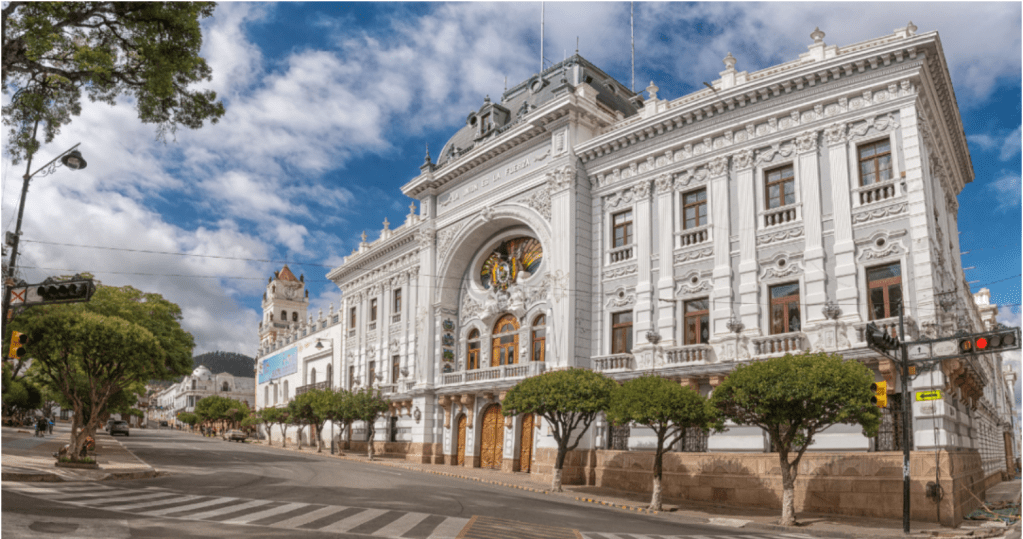
By El Diario:
217 Years Ago
Chuquisaca Ignited Alto Peru’s Fight for Freedom in 1809
- The uprising of May 25 brought together university students, criollos, mestizos, popular sectors, and members of the Royal Audiencia of Charcas against colonial rule.
- Although loyalty to Ferdinand VII was proclaimed, the movement opened the path toward independence.
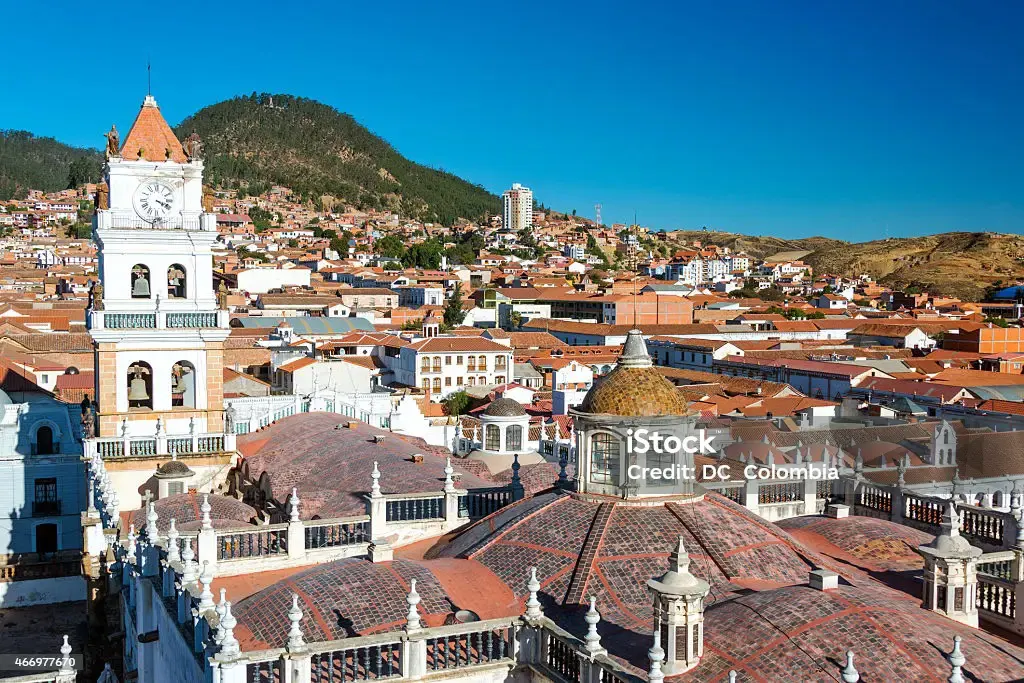
On May 25, 1809, Chuquisaca became the scene of a rebellion that marked the beginning of the emancipation movement in Alto Peru. The former capital of the Audiencia of Charcas, today Sucre, ceased to be merely an administrative and university center of the colonial regime and became a symbol of resistance against Spanish domination.
The uprising was not an isolated event. It emerged amid a political crisis caused by Napoleon’s invasion of Spain, the imprisonment of King Ferdinand VII, and growing social discontent in Charcas. To the earlier Indigenous rebellions of Túpac Katari and Túpac Amaru were later added the demands of mestizos, criollos, lawyers, students, and popular sectors seeking justice, representation, and freedom.
In the days leading up to the insurrection, the walls of Chuquisaca were covered with anonymous pamphlets, while political writings prepared by students and scholars linked to the University of San Francisco Xavier circulated throughout the city. From that intellectual environment emerged ideas that challenged the colonial order and encouraged a new political organization.
The movement’s main target was Ramón García de León y Pizarro, president of the Royal Audiencia of Charcas, accused of favoring interests contrary to the local population and sympathizing with a Carlotist solution tied to Carlota Joaquina de Borbón, sister of Ferdinand VII.
The arrest of Jaime de Zudáñez ignited the revolt. As he was being forcibly taken to the Audiencia Palace, he cried out for help from the population. His shouts mobilized residents, students, and popular sectors, who poured into the streets demanding his release.
Then the bells began to ring. Juan Manuel de Lemoine, Mariano Michel, José Sivilat, and other patriots sounded the alarm to summon the people. The bell of the Church of San Francisco became the symbol of that day after cracking from the force of its ringing.
The protest quickly grew. Palace guards tried to contain the crowd with gunfire but failed to disperse it. The rebels attacked the building, disarmed the troops, seized cannons, and forced García de León y Pizarro to resign. The colonial authority was then arrested and taken to the university.
The insurgents’ slogan was: “Long live Ferdinand VII! Long live liberty! Down with bad government!” Although it appeared to be a display of loyalty to the Spanish king, it was actually a political strategy. By recognizing the captive monarch, the revolutionaries sought to reject the local colonial authorities and open the way toward a form of self-government.
Among the leading figures of the rebellion were Jaime and Manuel de Zudáñez, José Mariano Serrano, Bernardo José de Monteagudo, José Joaquín de Lemoine, Mariano Michel, and Francisco Ríos, known as “El Quitacapas,” who represented popular participation in the streets.
The insurrection received neither outside support nor military backing from other territories. Its strength came from local discontent, the intellectual leadership of the scholars of Charcas, and the determination of a population weary of colonial rule.
Although Chuquisaca was subdued months later by royalist forces under Vicente Nieto, the uprising left an irreversible mark. Independence was still a distant goal, but the people had proven they could challenge Spanish authority.
Historian Estanislao Just Lleó argued that the Revolution of Chuquisaca was not limited to May 25 alone, but rather formed part of a broader process that extended over several months. Its causes combined the unrest in Charcas, Spain’s crisis, and the political thought that had matured before 1809.
For that reason, the events in Chuquisaca are connected to the Revolution of La Paz on July 16, 1809, and to the Revolution of Buenos Aires on May 25, 1810. Together, those movements reflected the crisis of the colonial system and the birth of a new political consciousness in America.
May 25, 1809, remains inscribed in Bolivian history as a foundational date. It did not bring immediate independence, but it did ignite the spark of a struggle that, years later, would lead to the creation of a free and sovereign nation.
Por El Diario:
Hace 217 años
Chuquisaca encendió en 1809 la lucha libertaria del Alto Perú
- La sublevación del 25 de mayo reunió a universitarios, criollos, mestizos, sectores populares y figuras de la Real Audiencia de Charcas contra el poder colonial.
- Aunque se proclamó fidelidad a Fernando VII, el movimiento abrió el camino hacia la independencia.
El 25 de mayo de 1809, Chuquisaca fue escenario de una rebelión que marcó el inicio del ciclo emancipador en el Alto Perú. La antigua capital de la Audiencia de Charcas, hoy Sucre, dejó de ser solo un centro administrativo y universitario del régimen colonial para convertirse en símbolo de resistencia frente al dominio español.
El levantamiento no fue un hecho aislado. Surgió en medio de una crisis política provocada por la invasión napoleónica a España, la prisión del rey Fernando VII y el creciente descontento social en Charcas. A las antiguas rebeliones indígenas de Túpac Katari y Túpac Amaru se sumaron luego las demandas de mestizos, criollos, abogados, estudiantes y sectores populares que buscaban justicia, representación y libertad.
En los días previos a la insurrección, las paredes de Chuquisaca amanecieron con pasquines anónimos y circularon escritos políticos elaborados por estudiantes y doctores vinculados a la Universidad de San Francisco Xavier. Desde ese ambiente intelectual surgieron ideas que cuestionaban el orden colonial y alentaban una nueva organización política.
El blanco principal del movimiento fue Ramón García de León y Pizarro, presidente de la Real Audiencia de Charcas, acusado de favorecer intereses contrarios a la población local y de simpatizar con una salida carlotista, ligada a Carlota Joaquina de Borbón, hermana de Fernando VII.
La detención de Jaime de Zudáñez encendió la revuelta. Cuando era conducido por la fuerza al Palacio de la Audiencia, pidió auxilio a la población. Sus gritos movilizaron a vecinos, estudiantes y sectores populares, que salieron a las calles para exigir su liberación.
Entonces comenzaron a sonar las campanas. Juan Manuel de Lemoine, Mariano Michel, José Sivilat y otros patriotas tocaron a rebato para convocar al pueblo. La campana de la iglesia de San Francisco quedó como símbolo de aquella jornada, después de rajarse por la fuerza del repique.
La protesta creció rápidamente. Los guardias del palacio intentaron contener a la multitud con disparos, pero no lograron dispersarla. Los sublevados atacaron el edificio, desarmaron a la tropa, tomaron cañones y obligaron a García de León y Pizarro a renunciar. Luego, la autoridad colonial fue apresada y trasladada a la universidad.
La consigna de los insurgentes fue: “¡Viva Fernando VII! ¡Viva la libertad! ¡Abajo el mal gobierno!”. Pero parecía una muestra de fidelidad al rey español, en realidad fue una estrategia política. Al reconocer al monarca cautivo, los revolucionarios buscaban desconocer a las autoridades coloniales locales y abrir paso a una forma de autogobierno.
Entre los protagonistas de la rebelión estuvieron Jaime y Manuel de Zudáñez, José Mariano Serrano, Bernardo José de Monteagudo, José Joaquín de Lemoine, Mariano Michel y Francisco Ríos, conocido como “El Quitacapas”, quien representó la participación popular en las calles.
La insurrección no contó con apoyo externo ni respaldo militar de otros territorios. Su fuerza nació del descontento local, del liderazgo intelectual de los doctores de Charcas y de la decisión de una población cansada del orden colonial.
Meses después Chuquisaca fue sometida por fuerzas realistas bajo el mando de Vicente Nieto, el levantamiento dejó una huella irreversible. La independencia todavía era un objetivo lejano, el pueblo había comprobado que podía desafiar al poder español.
El historiador Estanislao Just Lleó sostuvo que la revolución de Chuquisaca no se redujo al 25 de mayo, sino que formó parte de un proceso más amplio que se extendió durante varios meses. Sus causas combinaron el descontento en Charcas, la crisis de España y el pensamiento político que maduró antes de 1809.
Por ello, los hechos de Chuquisaca se conectan con la revolución de La Paz del 16 de julio de 1809 y con la de Buenos Aires del 25 de mayo de 1810. En conjunto, esos movimientos expresaron la crisis del sistema colonial y el nacimiento de una nueva conciencia política en América.
El 25 de mayo de 1809 quedó inscrito en la historia boliviana como una fecha fundacional. No significó la independencia inmediata, pero sí encendió la chispa de una lucha que, años después, conduciría a la creación de una patria libre y soberana.


Leave a Reply