
By German Huanca, Urgente.bo
For seventy-three years, Bolivia’s peasants and indigenous people had land but no capital, plots but no credit, work but no real possibility of risking anything tangible to start a business. Law 157 changes that equation at its core: for the first time since the 1953 agrarian reform, a government recognizes that the small rural landowner—peasant, indigenous—is a full citizen with the capacity to make economic decisions about what is theirs. The indignant reaction from academics, media figures, and NGO professionals is not a debate about rural well-being; it is a veiled defense of a status quo that for decades has kept the Bolivian countryside outside the financial system, dependent on the State and captive to those who make a living studying its poverty.
The argument of those who oppose Law 157 is, at its core, the same as in 1953: that peasants and indigenous people are not prepared to manage their own assets, that someone else—the State, NGOs, businesspeople, politicians—must decide for them. Behind that well-intentioned paternalism lies a vision that reserves the capacity to industrialize and generate wealth only for those who already have it. Landowners could risk capital; peasants could not. Urban wage earners can take on debt and start businesses; those in the countryside cannot. Seventy-three years after the agrarian revolution, that logic remains intact in the discourse of those who present themselves as defenders of the poorest.
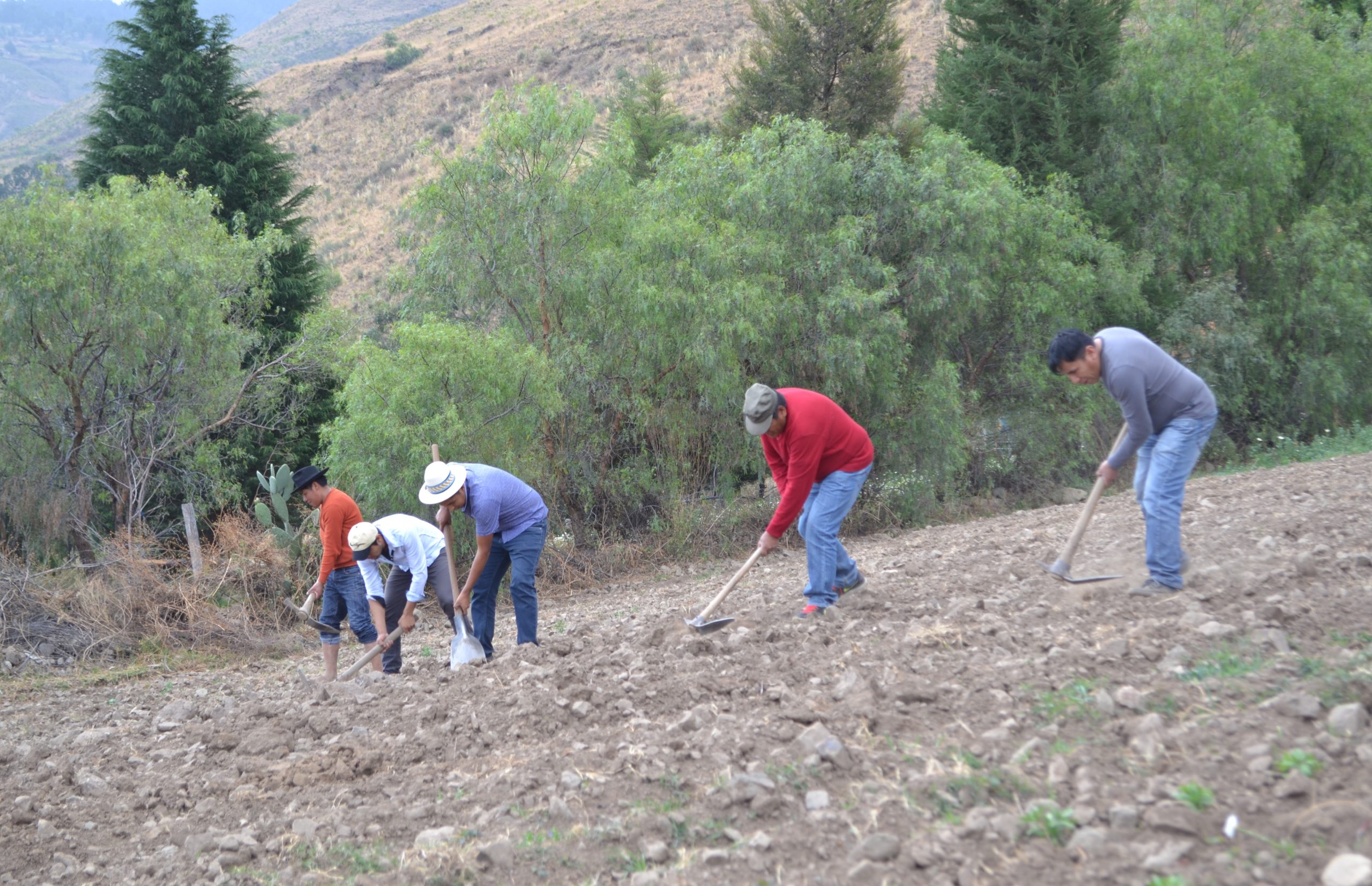
What happened after 1953 speaks for itself. My grandfather, for example, acquired ten hectares through the agrarian reform, worked them, benefited from them, but the countryside eventually pushed my peasant parents out because the land opened no doors to investment in an increasingly dynamic market. He was not a subject of credit. It was designed so that peasants and indigenous people would not access the financial system. We lived the result of that design across two generations: zero flow of investment into rural areas, families abandoning their plots to seek opportunities in the cities while carrying in their hands capital that the system would not allow them to use. They worked through sheer effort because there was no alternative.
From an economic standpoint, Hernando de Soto demonstrated in Peru that the formalization of rural and urban property is the foundation of legal security and access to credit. Bolivia arrives late to that lesson, but it arrives nonetheless. The challenge now is not the Law itself, but its implementation: not all land is acceptable as collateral for private banks, and that is where the real risk lies. If Law 157 remains on paper and financial institutions refuse to finance rural ventures using land as collateral, the window will close before it even opens. The government must anticipate that scenario and establish mechanisms that compel the financial system to operate in rural areas, not just in the urban centers where it is already comfortable.
The response to the outraged is simple: no one is forced. If a peasant or indigenous person does not want their land to be subject to seizure, they do not file that request with INRA. If they do not want to seek credit, they do not do so. What Law 157 does is open a possibility that did not exist before, and that is precisely what corresponds in a society that respects the autonomy of its citizens. Pretending that peasants and indigenous people should not have economic assets to risk is not protecting them: it is confining them, keeping them as objects of study, as permanent clients of projects that need the poor to justify their existence. Enough of considering peasants and indigenous people as fools.
Law 157 is a real window of opportunity for Bolivia’s rural sector, the first in seventy-three years that treats rural producers as what they are: citizens with the right to undertake, to take risks, and to grow. The debate over its implementation must not repeat the historical mistake of leaving it at good intentions. The government now has the task of showing concrete export agreements by sector, sending clear signals to agriculture that opportunities are open, and guaranteeing that access to credit reaches all regions of the country. Those who want to take risks should be able to do so. That, precisely, is what has been missing since 1953.
(*) Economist from Zongo, former Vice Minister of State Strategic Planning
ghuanca@gmail.com
Por Germán Huanca Luna, Urgente.bo
Por setenta y tres años, los campesinos e indígenas de Bolivia tuvieron tierra, pero no capital, parcelas, pero no crédito, trabajo, pero no posibilidad alguna de arriesgar algo material para emprender. La Ley 157 cambia esa ecuación de raíz: por primera vez desde la reforma agraria de 1953, un gobierno reconoce que el pequeño propietario rural —campesino, indígena— es un ciudadano de pleno derecho con capacidad de tomar decisiones económicas sobre lo suyo. La reacción indignada de académicos, comunicadores y profesionales de ONG no es un debate sobre el bienestar rural: es la defensa encubierta de un statu quo que durante décadas ha mantenido al campo boliviano fuera del sistema financiero, dependiente del Estado y cautivo de quienes viven estudiando su pobreza.
El argumento de quienes se oponen a la Ley 157 es, en el fondo, el mismo de 1953: que los campesinos e indígenas no están preparados para manejar sus propios activos, que alguien más —el Estado, las ONG, los empresarios, los políticos— debe decidir por ellos. Detrás de ese paternalismo bien intencionado se esconde una visión que reserva la capacidad de hacer industria y generar riqueza solo para los que ya tienen. Los hacendados podían arriesgar capital; los campesinos, no. Los asalariados urbanos pueden endeudarse y emprender; los del campo, tampoco. Setenta y tres años después de la revolución agraria, esa lógica sigue intacta en el discurso de quienes se presentan como defensores de los más pobres.
Lo que pasó después de 1953 habla por sí solo. Mi abuelo, por ejemplo, se hizo con diez hectáreas con la reforma agraria, las trabajó, las disfrutó, pero el campo terminó por expulsar a mis padres campesinos porque la tierra le permitía ninguna puerta de inversión en un mercado cada vez más dinámico. No era sujeto de crédito. Estaba diseñada para que campesinos e indígenas no accedieran al sistema financiero. El resultado de ese diseño lo vivimos dos generaciones: flujo de inversión nulo hacia el área rural, familias que abandonaron sus parcelas para buscar oportunidades en las ciudades cargando un capital en las manos que el sistema no les dejaba usar. Se trabajó a puro pulmón porque no había otra opción.
Desde la economía, Hernando de Soto demostró en el Perú que la titularización de la propiedad rural y urbana es la base de la seguridad jurídica y del acceso al crédito. Bolivia llega tarde a esa lección, pero llega. El desafío ahora no es la Ley en sí misma, sino su implementación: no todas las tierras son hipotecables para los bancos privados, y ahí está el riesgo real. Si la Ley 157 se queda en el papel y las entidades financieras se niegan a financiar emprendimientos rurales usando la tierra como garantía, la ventana se cierra antes de abrirse. El gobierno debe anticipar ese escenario y establecer mecanismos que obliguen al sistema financiero a operar en el área rural, no solo en los centros urbanos donde ya está cómodo.
La respuesta a los indignados es simple: nadie obliga a nadie. Si un campesino o indígena no quiere que su tierra sea embargable, no tramita ante el INRA esa solicitud. Si no quiere solicitar crédito, no lo hace. Lo que la Ley 157 hace es abrir una posibilidad que antes no existía, y eso es exactamente lo que corresponde en una sociedad que respeta la autonomía de sus ciudadanos. Pretender que el campesino y el indígena no tengan activos económicos que arriesgar no es protegerlos: es enclaustrarlos, mantenerlos como objeto de estudio, como clientes permanentes de proyectos que necesitan pobres para justificar su existencia. Basta de considerar tontos a los campesinos e indígenas.
La Ley 157 es una ventana de oportunidad real para el área rural boliviana, la primera en setenta y tres años que trata al productor del campo como lo que es: un ciudadano con derecho a emprender, a arriesgar y a crecer. Que el debate sobre su implementación no repita el error histórico de dejarla en buenos deseos. El gobierno tiene ahora la tarea de mostrar acuerdos concretos de exportación por rubro, dar señales claras al agro de que las oportunidades están abiertas y garantizar que el acceso al crédito llegue a todas las regiones del país. El que quiera tomar riesgo, que pueda hacerlo. Eso, exactamente, es lo que faltó desde 1953.
(*) Economista Zongueño, fue Viceministro de Planificación Estratégica del Estado
ghuanca@gmail.com
https://www.urgente.bo/noticia/ley-157-oportunidad-para-el-emprendedor-rural

 Bolivian Thoughts | Pensamientos Bolivianos (Bilingual/Bilingüe)