
By Los Tiempos:
The Blue-throated Macaw Nest Box Program Breaks Historic Records
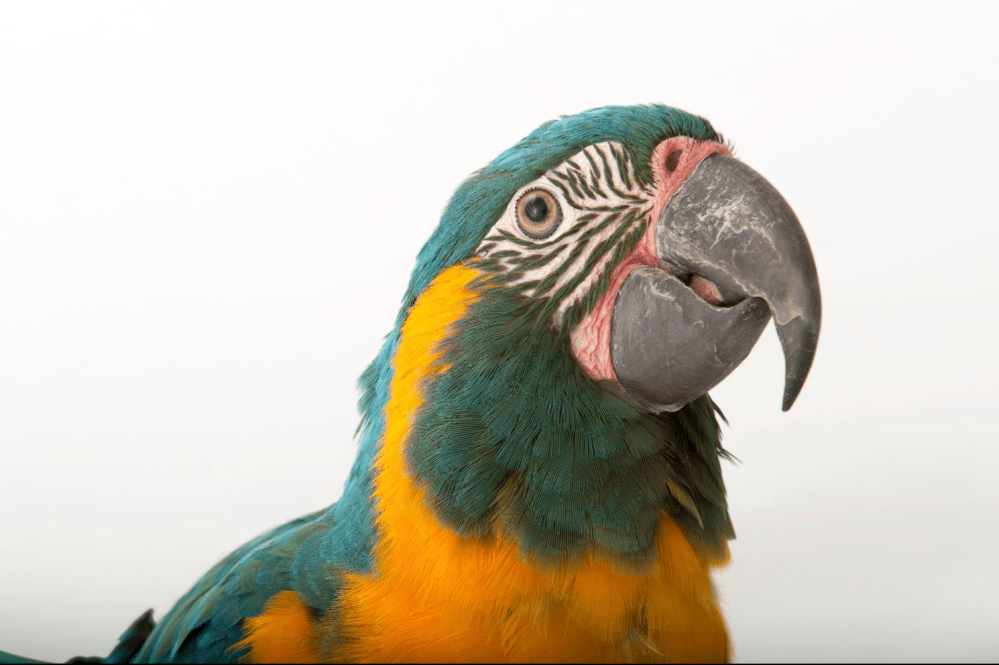
Twenty years ago, the Blue-throated Macaw (Ara glaucogularis) Nest Box Program led by the Association Armonía recorded a single breeding attempt of this endemic species, which is critically endangered. Today, this initiative breaks historic records year after year. In the 2025 season, nineteen chicks successfully fledged, bringing the total number of young that have taken flight since the program began in 2005 to 164.
This result marks the second consecutive year with unprecedented figures for the conservation of the species: the 19 chicks that fledged in 2025 came from 12 nesting attempts and 32 eggs laid in the 128 artificial nest boxes installed in the Laney Rickman Reserve. The achievement confirms the effectiveness of a strategy that began as an experiment and is now one of the main tools for preventing the extinction of the species.
The progress is not isolated. In 2024, 17 chicks fledged, and in 2023, 15, showing a sustained trend of improvement in reproductive success. The impact is so significant that it is currently estimated that nearly one out of every four wild Blue-throated Macaws was born in a nest box installed by Armonía.
Of the 32 eggs laid this season, 24 chicks hatched, representing a hatching rate of 75%. Of these, 19 managed to fledge, reaching a 79% success rate among those that hatched. Six nests recorded complete survival from hatching to first flight, and one of them—PBA15—was the most productive, with four eggs that produced three chicks that successfully fledged.
These results contrast with past seasons in which, despite more eggs being reported, losses were greater. For example, during the 2022–2023 period, 46 eggs were documented in 14 nests, the highest number recorded up to that time. However, more than half failed to hatch, with egg mortality close to 56%. In contrast, the 2024–2025 season showed the opposite pattern: fewer eggs but significantly higher survival, which translated into a record number of chicks that successfully fledged.
The camera traps installed in the nest boxes revealed unexpected behavior this year: less competition with other species, but more territorial disputes among pairs of the same species. In one extreme case, a pair stopped feeding their chicks to confront another pair, which forced the team to intervene with supplementary feeding. Both chicks survived, successfully fledged, and were later accepted again by their parents.
Another episode revealed a curious detail of reproductive behavior: parents usually carve an oval exit hole in the artificial nest to facilitate their chicks’ first flight. One pair forgot to do so, and the ranger in charge of Laney Rickman, César Flores, intervened to enlarge the entrance, allowing the chick to leave the nest the following day.
Two decades of historic change
The accumulated data show a profound transformation. When the program began in 2005, only one nest was occupied and no chick survived. Two decades later, the nest boxes are not only frequently occupied, but they have also helped reverse competition with other species, improve chick survival, and produce individuals that now return to reproduce.
The Laney Rickman Reserve, established in 2018 in the Llanos de Moxos, has become a stronghold for the species. There, habitat protection, restoration of native palm groves, sustainable management of savannas, and environmental education are combined in a comprehensive conservation approach.
The program took 16 years to achieve its first 100 fledged chicks. At the current pace, it is expected to reach 200 before 2027, an acceleration that reflects the consolidation of technical and scientific work in the field.
Por Los Tiempos:
El programa Cajas de Nido de Paraba Barba Azul bate récords histórico
Hace 20 años, el programa Cajas Nido de la Paraba Barba Azul (Ara glaucogularis) impulsado por la Asociación Armonía registraba un único intento de reproducción de esta especie endémica y en Peligro Crítico de Extinción. Hoy, esta iniciativa bate récords históricos año tras año. En la temporada 2025, diecinueve pichones lograron volar con éxito, elevando a 164 el total de crías que han alzado vuelo desde el inicio del programa en 2005.
Este resultado marca el segundo año consecutivo con cifras sin precedentes para la conservación de la especie: los 19 pichones que volaron en 2025 provinieron de 12 intentos de nidificación y 32 huevos puestos en las 128 cajas nido artificiales instaladas en la Reserva Laney Rickman. El logro confirma la efectividad de una estrategia que comenzó como un experimento y hoy es una de las principales herramientas para evitar la extinción de la especie.
El progreso no es aislado. En 2024 se registró el vuelo de 17 pichones y, en 2023, de 15, mostrando una tendencia sostenida de mejora en el éxito reproductivo. El impacto es tan significativo que actualmente se estima que casi una de cada cuatro parabas barba azul silvestres nació en una caja nido instalada por Armonía.
De los 32 huevos puestos esta temporada, nacieron 24 pichones, lo que representa una tasa de eclosión del 75%. De ellos, 19 lograron volar, alcanzando un 79% de éxito entre los nacidos. Seis nidos registraron supervivencia total desde la eclosión hasta el primer vuelo, y uno de ellos —PBA15— fue el más productivo, con cuatro huevos que dieron lugar a tres crías que llegaron a volar.
Estos resultados contrastan con temporadas pasadas en las que, pese a reportarse más huevos, las pérdidas eran mayores. Por ejemplo, en el período 2022–2023 se documentaron 46 huevos en 14 nidos, la cifra más alta registrada hasta entonces. Sin embargo, más de la mitad no logró eclosionar, con una mortalidad de huevos cercana al 56 %. En cambio, la temporada 2024–2025 mostró un patrón opuesto: menos huevos, pero una supervivencia notablemente mayor, lo que se tradujo en un número récord de pichones que lograron volar.
Las cámaras trampa instaladas en las cajas nido revelaron este año un comportamiento inesperado: menos competencia con otras especies, pero más disputas territoriales entre parejas de la misma especie. En un caso extremo, una pareja dejó de alimentar a sus crías para enfrentar a otra, lo que obligó al equipo a intervenir con alimentación suplementaria. Ambos pichones sobrevivieron, volaron con éxito y fueron aceptados nuevamente por sus padres.
Otro episodio mostró un detalle curioso del comportamiento reproductivo: los padres suelen tallar un orificio de salida ovalado en el nido artificial para facilitar el primer vuelo de sus crías. Una pareja olvidó hacerlo y el guardaparque a cargo de Laney Rickman, César Flores, intervino para ampliar la entrada, lo que permitió que el pichón pudiera abandonar el nido al día siguiente.
Dos décadas de cambio histórico
Los datos acumulados muestran una transformación profunda. Cuando el programa comenzó en 2005, sólo un nido fue ocupado y no sobrevivió ningún polluelo. Dos décadas después, las cajas nido no solo son ocupadas con frecuencia, sino que han ayudado a revertir la competencia con otras especies, mejorar la supervivencia de pichones y generar individuos que hoy regresan a reproducirse.
La Reserva Laney Rickman, establecida en 2018 en los Llanos de Moxos, se ha convertido en un bastión para la especie. Allí se combinan protección de hábitat, restauración de palmares nativos, manejo sostenible de sabanas y educación ambiental, en un enfoque integral de conservación.
El programa tardó 16 años en lograr sus primeros 100 pichones voladores. Al ritmo actual, se espera alcanzar los 200 antes de 2027, una aceleración que refleja la consolidación del trabajo técnico y científico en el terreno.

 Bolivian Thoughts | Pensamientos Bolivianos (Bilingual/Bilingüe)