
By El Diario:
Mafias and lodges willing to do anything
- They state that the degree of insecurity prevailing in the country has been laid bare, especially within state institutions previously controlled by “masismo,” where groups remain willing to do anything to maintain a certain level of power.
- They warn that, under current circumstances, any action to curb corruption or any denunciation on this issue will provoke a dangerous response against those who confront circles of corruption.
- They call for investigations into the murder of Mauricio Aramayo not only to establish responsibility for the crime, but also to confirm the truthfulness of revelations about alleged threats against the former official for refusing to accept bribes.
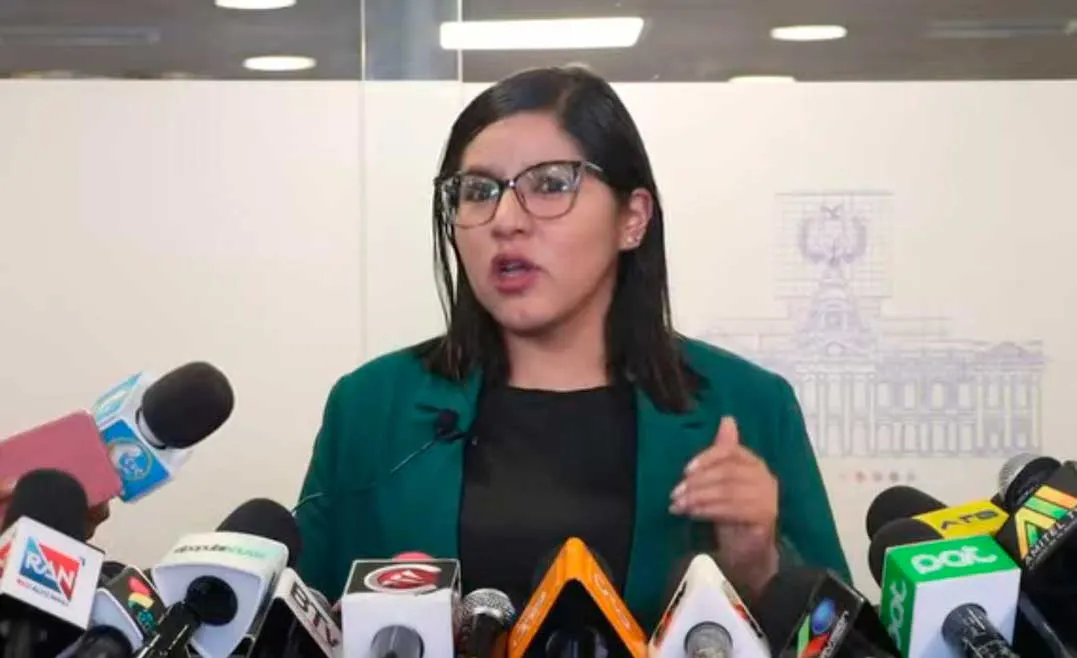
Stating that the murder of the departmental coordinator of the Christian Democratic Party (PDC) in Tarija is more than an issue with political overtones and instead one of security, Deputy Lissa Claros Lora of the Libre alliance said this death reveals the existence of criminal lodges embedded in state institutions and that the task of eradicating corruption in the country will not be simple.
“This is clear evidence that criminal gangs are embedded within institutions, where, for refusing to yield to whims or to the payment of bribes, this event occurred,” Claros said at a press conference.
According to the legislator from the department of Potosí, this incident has demonstrated the level of insecurity in the country, particularly inside state bodies previously controlled by “masismo,” where groups accustomed to operating outside the law remain, willing to do anything to preserve a certain kind of power.
“It has been shown that we have absolutely no security in any institution to work; I believe this must be investigated effectively and immediately,” she said.
Claros recalled that the Libre alliance had already warned of the need to eradicate corruption from state bodies by removing personnel linked to “criminal lodges” that “masismo” deliberately embedded during its nearly twenty years in power—a practice that now generates insecurity when reporting alleged irregularities.
She also asserted that, in the current circumstances, any act to cut corruption or any complaint made on this issue will generate a dangerous response, with the possibility of death for those who confront the circles of corruption operating within the state.
“Anyone who reports irregular acts at this moment is in total insecurity, because upon leaving here, on the corner, anything could happen to us. This is not a political issue, but evidence that these lodges are sending a clear message to all of us who are investigating acts of corruption not to confront them,” she said.
Finally, Claros stated that many of her parliamentary colleagues are intimidated and afraid to denounce acts of corruption, precisely out of fear that the response from these groups will be similar to what occurred in the city of Tarija with the murder of a person close to President Rodrigo Paz, carried out by two hooded individuals. “I believe we must join efforts to eradicate corruption and these criminal gangs from our institutions and recover Bolivia from corruption.”
On Thursday night, the murder of Mauricio Aramayo was reported. He was a close collaborator of President Paz, departmental coordinator of the PDC in Tarija, and former departmental director of the National Service of Agricultural Health and Food Safety (Senasag).
According to witnesses, two hooded individuals on a motorcycle intercepted the vehicle in which Aramayo was traveling, fired several shots, and then fled. Police later assisted him, and while he was being taken to a medical center, he died.
Through her social media accounts, presidential spokesperson Carla Faval expressed her sorrow and indignation at the way Aramayo lost his life, highlighting his commitment to the country and to President Paz’s administration.
She also revealed that the former official had been the target of threats for refusing to accept a bribe while serving as Senasag’s departmental director, thereby confronting “mafias” that allegedly operate with and from that institution.
“He was an upright and principled public servant who defended legality even knowing the risks. Today that courage pains us: he paid with his life. My solidarity with his family and a firm commitment that this crime will not go unpunished. The fight against corruption cannot continue to claim lives,” Faval stated.
From the alliance, Deputy Edwin Huiza called for the investigations not only to establish responsibility for the crime, but also to be expanded to confirm the truthfulness of the revelations about alleged threats against the former official for refusing to accept bribes. “The public deserves clear answers about these events and a determination of whether there were irregularities or improper links that could implicate other political actors,” he added.
Por El Diario:
Mafias y logias dispuestas a todo
- Afirman que quedó demostrado el grado de inseguridad que se vive en el país, sobre todo al interior de instancias estatales anteriormente controladas por el “masismo”, donde permanecen grupos dispuestos a todo por mantener cierto grado de poder.
- Ven que, en las actuales circunstancias, cualquier acto para cortar la corrupción o denuncia que se haga en este tema, generará una respuesta peligrosa contra quienes se enfrenten a círculos de corrupción.
- Piden que las investigaciones sobre el asesinato de Mauricio Aramayo no solo establezcan la autoría del crimen, sino confirmar la veracidad de las revelaciones acerca de supuestas amenazas hacia el exfuncionario por negarse a recibir coimas.
Afirmando que el asesinato del coordinador departamental del Partido Demócrata Cristiano (PDC), en Tarija, es más que un tema con connotaciones políticas, sino de seguridad, la diputada por la alianza Libre, Lissa Claros Lora, señaló que esta muerte revela la existencia de logias delincuenciales incrustadas en instituciones del Estado y que la tarea de erradicar la corrupción en el país no será sencilla.
“Esta es una muestra clara de que bandas delincuenciales están incrustadas en el seno de las instituciones, donde por no ceder a caprichos ni al pago de coimas ha ocurrido este hecho”, sostuvo Claros en conferencia de prensa.
Según la legisladora representante del departamento de Potosí, con este hecho quedó demostrado el grado de inseguridad que se vive en el país, sobre todo al interior de instancias estatales anteriormente controladas por el “masismo”, donde actualmente permanecen grupos acostumbrados a operar al margen de la ley dispuestos a todo por mantener cierto tipo de poder.
“Se ha demostrado que no tenemos seguridad absolutamente en ninguna de las instituciones para trabajar, creo que se debe investigar de forma eficaz e inmediata”, dijo.
Claros recordó que desde la alianza Libre ya se había advertido sobre la necesidad de erradicar la corrupción de instancias estatales, removiendo a personal relacionado con “logias delincuenciales” que el “masismo” incrustó deliberadamente durante sus casi veinte años en el poder, proceder que ahora genera inseguridad al momento de denunciar presuntas irregularidades.
Asimismo, aseguró que, en las actuales circunstancias, cualquier acto para cortar la corrupción o denuncia que se haga en este tema, generará una respuesta peligrosa con posibilidad de muerte para quienes se enfrenten a los círculos de corrupción que operan en ámbitos estatales.
“Cualquiera que denuncie actos irregulares en este momento se encuentra en total inseguridad, ya que saliendo de aquí en la esquina nos puede pasar cualquier cosa. No se trata de un tema político, sino una muestra de que las logias están mandando un mensaje claro a todos aquellos que estamos investigando actos de corrupción, para no enfrentarlas”, indicó.
Finalmente, Claros aseveró que muchos de sus colegas parlamentarios se encuentran amedrentados y con miedo de denunciar hechos de corrupción, precisamente por temor a que la respuesta de estos grupos sea similar a lo acontecido en la ciudad de Tarija con el asesinato de una persona cercana al presidente Rodrigo Paz, por parte de dos personas encapuchadas. “Creo que tenemos que sumar esfuerzos para erradicar la corrupción y estas bandas delincuenciales de nuestras instituciones, y recuperar a Bolivia de la corrupción”.
La noche del jueves, se reportó el asesinato de Mauricio Aramayo, colaborador cercano del presidente Paz, coordinador departamental del PDC en Tarija y exdirector departamental del Servicio Nacional de Sanidad Agropecuaria e Inocuidad Alimentaria (Senasag).
Según testigos, dos sujetos encapuchados a bordo de una motocicleta interceptaron el vehículo en el que se trasladaba Aramayo, dispararon varias veces y luego se dieron a la fuga, posteriormente, personal policial lo auxilió y mientras era conducido a un centro de atención médica, falleció.
A través de sus redes sociales, la vocera presidencial Carla Faval, expresó su pesar e indignación por la forma en que Aramayo perdió la vida, de quien destacó su compromiso con el país y con la administración del presidente Paz.
Además, reveló que el exfuncionario había sido objeto de amenazas por negarse a recibir una coima, cuando ejercía como director departamental del Senasag, enfrentando así a “mafias” que supuestamente operan con y desde esta instancia.
“Fue un servidor público recto e íntegro, que defendió la legalidad aun conociendo los riesgos. Hoy esa valentía nos duele: pagó con su vida. Mi solidaridad con su familia y el compromiso firme de que este crimen no quede en la impunidad. La lucha contra la corrupción no puede seguir cobrando vidas”, manifestó Faval.
Desde la alianza, el diputado Edwin Huiza pidió que las investigaciones del caso no solo establezcan la autoría del crimen, sino se amplíen para confirmar la veracidad de las revelaciones sobre supuestas amenazas hacia el exfuncionario por negarse a recibir coimas.
“La ciudadanía merece respuestas claras sobre estos hechos y que se determine si existieron irregularidades o vínculos indebidos que puedan comprometer a otros actores políticos”, agregó.

 Bolivian Thoughts | Pensamientos Bolivianos (Bilingual/Bilingüe)