
By Jorge Manuel Soruco, Visión 360:
On TikTok and Facebook, many people from La Paz are engaged in selling a wide variety of products. Some have started their own businesses to cope with the economic crisis the country is going through.

José Poma creates videos on TikTok to promote his product. Photo: José Fernández / Visión 360
Their current businesses weren’t necessarily what they imagined when they entered the job market. Some planned to pursue a professional career; others wanted to start a different venture or continue in the job they felt comfortable in. However, the economic crisis and disappointment motivated these entrepreneurs from La Paz not to give up and to create their own proposals, which stay strong thanks to social media.
“You could say that people from La Paz, like other Bolivians, have a sharp commercial instinct. It helps that the population has faced various crises, which taught them to look for alternatives to salaried jobs,” historian Sayuri Loza told Visión 360.
Such is the case of José Poma. His business, called LimPaz, originally emerged after his restaurant closed due to the pandemic and the economic crisis. It also responded to a need that arose during that time: kitchen cleaning.
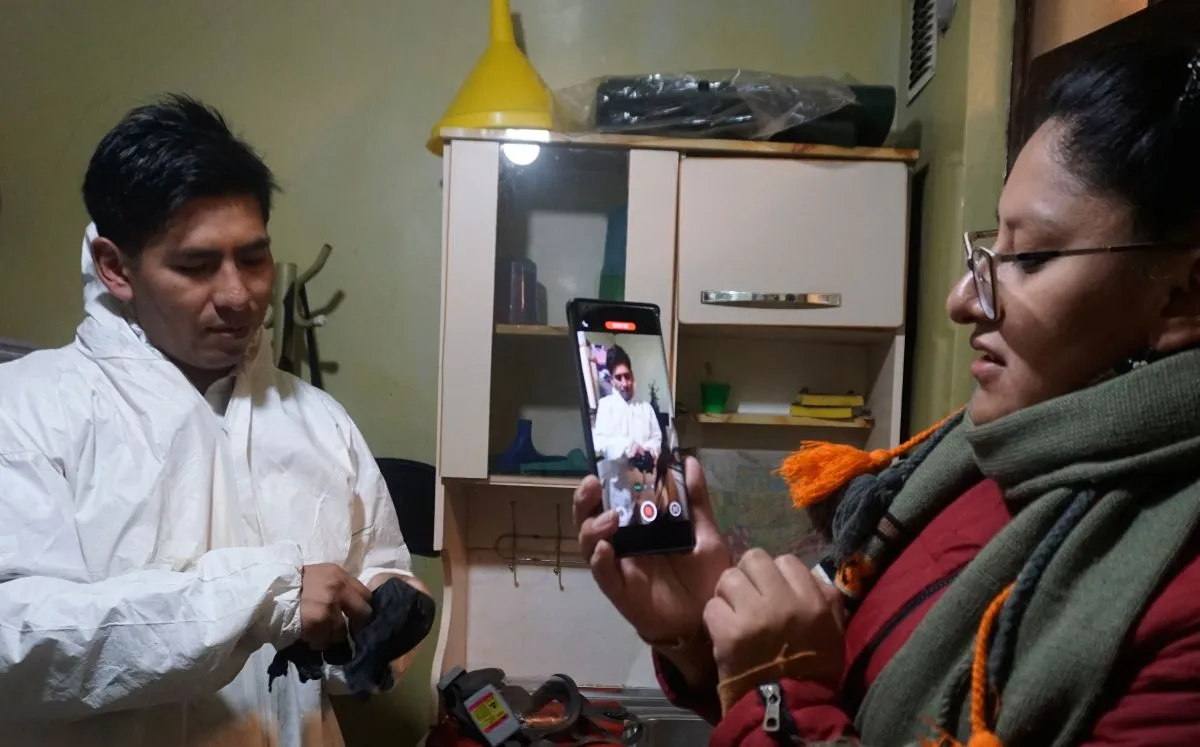
“During the pandemic, I had a fast-food place. What gave us the most trouble was cleaning the kitchen. Very few products satisfied me, and they were expensive. So, after consulting with specialists, I came up with the idea of creating my own product,” says Poma.
With the same “never give up” spirit, lawyer Boris Aliaga, after leaving his job in the public justice system—where, in his words, he tasted the bitter flavor of “disillusionment”—decided to start a business selling a variety of products.
“Instead of continuing to perpetuate people’s frustration, whose legal issues weren’t getting timely responses from the State, I preferred to focus on something that would put a smile on customers’ faces,” says Aliaga. That venture is Ikegai, a store selling comics, books, collectible figures, and clothing for both babies and adults.
Gradually, and independently, Poma and Aliaga established themselves in their respective markets, boosted by the growing use of social media. LimPaz has a strong presence on TikTok, where José regularly posts videos. These range from making his detergents to sharing stories about his business experiences.
Boris mainly uses Facebook and Instagram to announce new products, display them, and even share international reviews of some of his most requested books.
They’re not the only ones. On social media, especially TikTok, many people from La Paz sell a wide variety of products. Such is the case of designer Lizeth Callizaya, who offers her outfits and even ships to customers abroad, like in the U.S. In her “virtual boutique,” Noemí Jhoselin Orellana sells a catalog of sleeved blankets and traditional chola paceña outfits, also taking custom orders.
It’s not an easy task, but they persist in their efforts to stay afloat, succeed, and face the economic crisis affecting the country.
The merchant spirit
Historian Loza explained that the population that settled in what is now El Alto and La Paz has always been known for a strong entrepreneurial spirit, even before the Spanish arrived.
“La Paz is in a privileged position, and I’m not referring to it being a transit hub, but rather a place of wealth accumulation. Let’s not forget people used to collect gold from rivers and produce coca in nearby valleys like Zongo. As in every mining or capital-producing area, coca was used as currency; people had resources and were willing to reinvest them.” That made the area an important commercial hub.
She stated it “was a taypi, a place where people from many regions came together to trade.” This characteristic persisted during colonial times, especially with the introduction of new commercial activities like textile workshops, which gave name to the La Paz neighborhood known for textile production.
On top of that came transportation between regions and all the economic activity spurred by the Catholic Church’s influence—such as pilgrimages and patron saint festivities—as well as mining.
The Civil War between La Paz and Sucre (1898–1899) increased La Paz’s importance, turning it into the country’s definitive seat of government. This marked a shift in the economic structure, as a large portion of the population began working directly for the State.
This, in turn, led to the creation of major industries such as the Said and Forno factories. It also boosted commerce aimed at public servants.
“It was the State’s presence in La Paz that made the people of La Paz and El Alto more inclined toward commerce,” Loza added.
From courtrooms to stores, from kitchens to labs
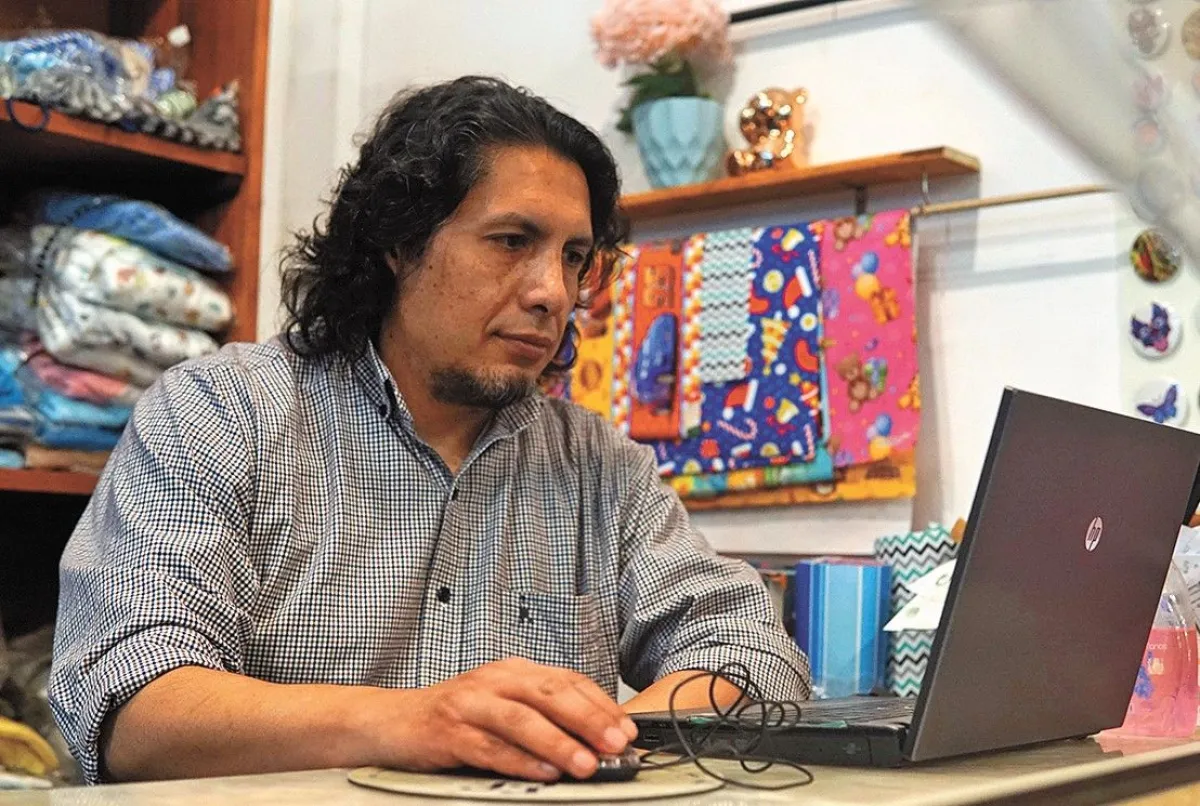
Boris Aliaga was born in La Paz in 1977. He studied law and began working in the courts, but quickly became disillusioned with Bolivia’s judicial system. This led him to seek new work paths, and in 2018 he opened the Ikegai store (Torre Ketal, Calacoto’s 15th street).
His business focuses on two areas: collectibles and comics—he sells special editions, figures, and action statues and also takes orders; and clothing for babies and children, along with artisanal items such as mugs and plush toys shaped like vegetables or Chespirito characters, all made or managed by his sister.
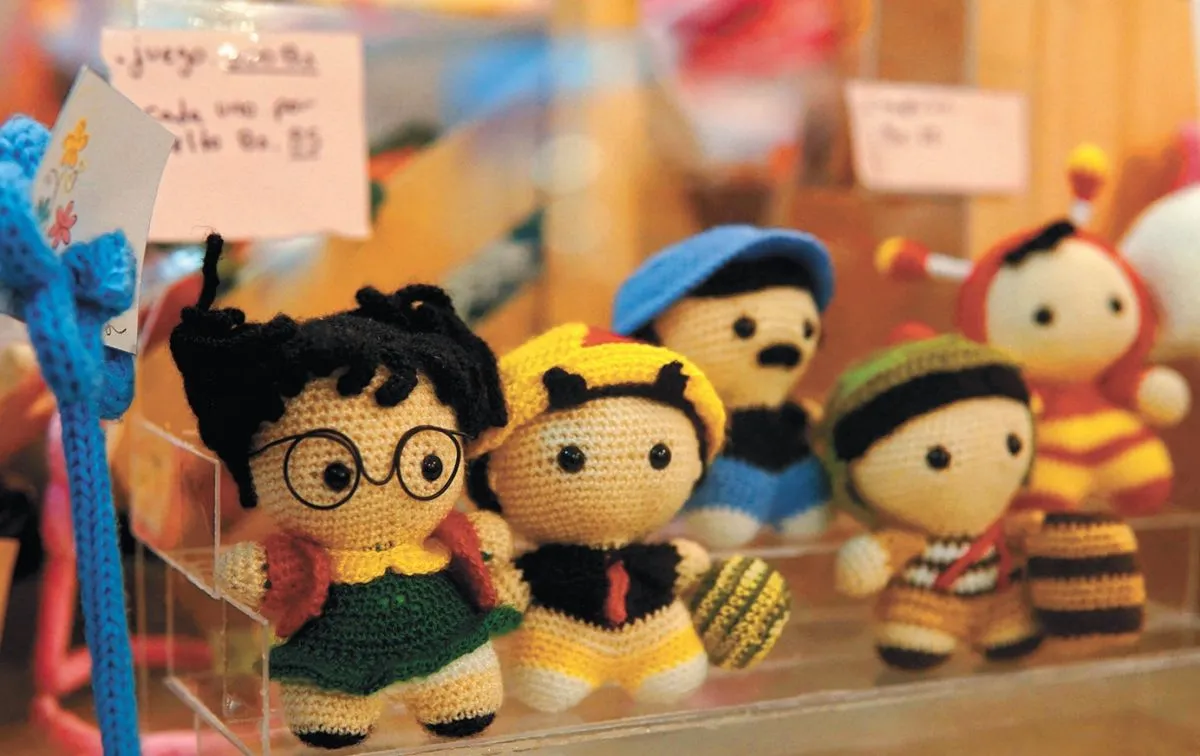
His customers know they should check the store’s Facebook and Instagram pages for updates, to place orders, and even to watch specialized review videos of the titles.
Unfortunately, the lack of foreign currency has slowed the business. “We managed to stay afloat in 2019 during the events sparked by electoral fraud, Evo Morales’s resignation, and the resulting vandalism; we survived the 2020 pandemic and the long recovery that followed. Today we remain on the frontlines, in an economy devastated by years of public fund waste, with a dollar shortage that raises import costs by more than 100%, and in a situation where, naturally, consumers prioritize basic necessities over books. We’ve improvised, reinvented, built family networks, expanded our sales channels—and still, it’s barely enough. In today’s context, I consider it a success that we haven’t closed the business—yet. This July 16, on the Bicentennial, we’ll raise a toast to resilience,” he said.
José Poma focuses on wholesale detergent sales. As previously mentioned, this La Paz native chose to specialize in this product after identifying the need for good-quality, reasonably priced detergents among cooks.
He constantly experiments, testing formulas to improve his offerings. TikTok has been the ideal platform to reach new customers. His videos range from direct promotions to storytelling. “Rather than selling left and right, what I do is share my stories and build a relationship with my followers,” he says.
In this way, Poma and Aliaga have become the new caseritos of La Paz.
Por Jorge Manuel Soruco Ruiz, Visión 360:
En TIK TOK y Facebook, muchos paceños se dedican al comercio de una amplia variedad de productos. Algunos han iniciado sus propios negocios para hacer frente a la crisis económica que atraviesa el país.
José Poma realiza videos en Tik Tok para promocionar su obra. Foto: Fotos: José Fernández / visión 360
Sus negocios actuales no eran necesariamente los que imaginaban tener cuando ingresaron al mercado laboral. Algunos planeaban ejercer su profesión; otros, iniciar un emprendimiento distinto o continuar en el empleo en el que se sentían cómodos. Sin embargo, la crisis económica y la desilusión motivaron a los emprendedores paceños a no rendirse y a crear su propia propuesta, la cual se mantiene con fuerza gracias a las redes sociales.
“Se podría decir que el paceño, como los otros bolivianos, tiene un instinto comercial muy agudo. Ayuda (el hecho de) que la población ha enfrentado diferentes crisis, lo que les enseñó a buscar opciones al trabajo de salario”, asegura a Visión 360 la historiadora Sayuri Loza.
Tal es el caso del paceño José Poma. Su negocio, denominado LimPaz, surgió inicialmente tras el cierre de su restaurante debido a la pandemia y la crisis económica. Además, respondió a una necesidad que se presentó en esa etapa: la limpieza de cocinas.
“Durante la pandemia tenía un local de comida rápida. Lo que más nos complicaba era la limpieza de la cocina. Muy pocos productos me resultaban satisfactorios, y además eran muy caros. Por eso, tras consultar con especialistas, se me ocurrió crear mi propio producto”, cuenta Poma.
Con el mismo espíritu de “no rendirse”, el abogado Boris Aliaga, tras dejar su trabajo en la administración pública de justicia —donde, según sus palabras, probó el sabor amargo de la “desilusión”—, decidió emprender un negocio dedicado a la venta de una variedad de productos.
“En lugar de seguir perpetuando la decepción de las personas, cuyos asuntos legales no recibían una pronta respuesta por parte del Estado, preferí dedicarme a una actividad que me permitiera dejar una sonrisa en el rostro de los clientes”, dice Aliaga. Esa actividad es Ikegai, una tienda de cómics, libros, figuras de colección y ropa para bebés y adultos.
Poco a poco, y por separado, Poma y Aliaga lograron establecerse en sus respectivos mercados, impulsados por el creciente uso de las redes sociales. LimPaz tiene una fuerte presencia en TikTok, donde José publica videos de forma regular. Estas producciones van desde la preparación de sus detergentes hasta la narración de sus experiencias en el negocio.
Boris recurre principalmente a Facebook e Instagram, plataformas en las que anuncia sus nuevos productos, los exhibe e incluso comparte reseñas internacionales de algunos de sus textos más solicitados.
No son los únicos. En redes sociales, principalmente en TikTok, muchos paceños se dedican al comercio de una amplia variedad de productos. Tal es el caso de la diseñadora Lizeth Callizaya, quien ofrece sus trajes y, además, realiza envíos a clientes en el extranjero, como en Estados Unidos. En su “boutique virtual”, Noemí Jhoselin Orellana comercializa un catálogo de mantas con mangas y trajes para chola paceña, y también acepta pedidos personalizados.
No es tarea fácil, pero no cesan en su empeño de mantenerse a flote, triunfar y dar batalla a la crisis económica por la que atraviesa el país.
El espíritu comerciante
La historiadora Loza explicó que la población que se asentó en los territorios que ahora ocupan El Alto y La Paz siempre se ha caracterizado por un fuerte espíritu emprendedor, incluso antes de la llegada de los españoles.
“La Paz se encuentra en una posición privilegiada, y no me refiero a una supuesta condición de punto de tránsito, sino a la acumulación de riqueza. No hay que olvidar que la gente recolectaba oro de las aguas de los ríos, además de producir coca en valles cercanos como Zongo. Como en toda zona minera o de gran producción de capital, la coca era moneda de cambio; tenías gente con recursos dispuestos a reinvertirlos”. Eso ocasionó que la zona tuviera una actividad comercial importante.
Aseguró que “era un taypi, un espacio donde convergen personas de muchas partes para comerciar”. Esta característica se mantuvo durante el periodo de la Colonia, especialmente con la introducción de nuevas actividades comerciales, como los obrajes, de donde surge el nombre del barrio paceño, con una importante producción textil.
A ello se suma el transporte entre regiones y toda la actividad económica generada por la influencia de la Iglesia Católica —como peregrinaciones y fiestas patronales—, así como por la minería.
La Guerra Civil entre La Paz y Sucre (1898-1899) aumentó la importancia de La Paz al convertirla en la definitiva sede de Gobierno. Esto marcó un cambio en la estructura económica, ya que un alto porcentaje de la población comenzó a trabajar directamente para el Estado.
A su vez, esto propició la creación de importantes industrias, como las fábricas Said y Forno. Asimismo, aumentó el comercio enfocado en los funcionarios públicos.
“La presencia del Estado en La Paz fue lo que hizo al emprendedor paceño y alteño propenso al comercio”, agregó Loza.
Del juzgado a la tienda, de la cocina al laboratorio
Boris Aliaga nació en La Paz en 1977. Estudió Derecho y comenzó a trabajar en tribunales, pero rápidamente se desilusionó del sistema judicial boliviano. Esto lo llevó a buscar nuevas vías laborales, y en 2018 abrió la tienda Ikegai (Torre Ketal, calle 15 de Calacoto).
Su negocio se enfoca en dos áreas: objetos de colección y cómics —vende ediciones especiales, figuras y estatuillas de acción, además de aceptar pedidos—; y la venta de ropa para bebés y niños, junto con objetos artesanales que incluyen tazas, peluches de verduras y de personajes de Chespirito, todos realizados o gestionados por su hermana.
Sus clientes saben que deben revisar sus cuentas de Facebook e Instagram para conocer las novedades, hacer pedidos e incluso ver videos con críticas especializadas de los títulos.
Lamentablemente, la falta de divisas desaceleró el negocio. “Aquí nos mantuvimos en 2019, mientras sucedían los eventos desencadenados por el fraude electoral, la renuncia de Evo Morales y el vandalismo consecuente; sobrevivimos a la pandemia del 2020 y al largo periodo de recuperación. Hoy estamos al pie del cañón, en una economía destrozada por años de despilfarro del erario público, con escasez de divisas que elevan en más del 100% los costos de importación, y en un escenario en el que, naturalmente, el consumidor prefiere comprar bienes de primera necesidad en lugar de libros. Nos la ingeniamos, reinventamos, articulamos redes familiares, ampliamos canales de comercialización, y aun así alcanza para poco. En el contexto actual, considero un éxito no haber cerrado el negocio, aún. Este 16 de julio, en el Bicentenario, brindaremos por el aguante”, aseguró.
José Poma se dedica a ofrecer detergentes al por mayor. Como mencionó anteriormente, este paceño decidió enfocarse en este producto al identificar la necesidad de quienes cocinan, de contar con un detergente de buena calidad a un precio razonable.
Constantemente experimenta, probando fórmulas y mejorando así su oferta. TikTok ha sido la plataforma ideal para conseguir nuevos clientes. Sus videos varían entre promociones directas y la narración de historias. “Más que vender a diestra y siniestra, lo que hago es compartir mis anécdotas y lograr entablar una relación con ellos”, asegura.
De esta manera, Poma y Aliaga se han convertido en los nuevos caseritos paceños.

 Bolivian Thoughts | Pensamientos Bolivianos (Bilingual/Bilingüe)