
By FAN, LaRegion.bo:
Stories that inspire from the forest: book on the role of women in Amazonian and Chiquitano communities presented
FAN presents the book “Women Who Care for the Forest”, which documents the life stories of Indigenous women leading sustainable productive initiatives in Bolivia’s Amazon and Chiquitanía regions. The presentation will take place this Tuesday, April 22, in Santa Cruz.
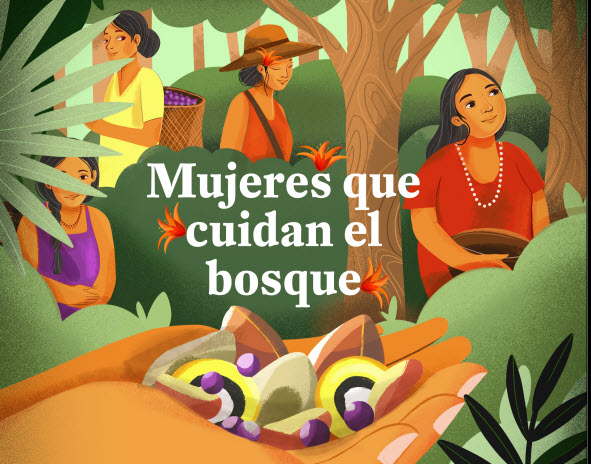
After five years of working with communities in Bolivia’s Amazon and Chiquitanía regions, the Foundation for the Friends of Nature (FAN) identified something that could not go unnoticed: Indigenous women who, through the daily life of their territories, were transforming the relationship between economic development and forest conservation. That’s how Women Who Care for the Forest was born — a book that will be presented this Tuesday, April 22 at 6:30 p.m. at Casa Melchor Pinto (Santa Cruz de la Sierra), with a panel discussion featuring some of the women who bring this work to life.
The book features six stories of women who lead, innovate, process, train, and protect natural resources with a vision of sustainability and equity. From Laida Costaleite (64), who restored the value of the totaí in Quituquiña, to Yuliana Chamo (23), who promotes the production of Chiquitano almond in San Ceferino — each testimony is a reflection of resilience, ancestral knowledge, and a deep commitment to their territory.
The publication is the result of nine months of intensive work: field interviews, photo sessions, and joint validation with the protagonists and their communities. The FAN team visited six localities — Ipias, Quituquiña, Yororobá, San Ceferino, Porvenir, and Altagracia — to document the daily lives of these women leaders who work with products such as asaí, copaibo, Amazonian Brazil nut, totaí, pesoé, and Chiquitano almond.
Each of them represents a key link in nature-based value chains. Mariela Mendia, for example, has worked for 13 years at the asaí processing plant in Porvenir, generating income for at least 15 women. Mayerlin Hurtado protects the Amazonian Brazil nut with international certifications, and Erica Pérez has managed to open markets for Bolivian copaibo even in Brazil.
“When women manage resources, the whole community benefits,” says Chachi Castedo, president of her association for three terms and one of the protagonists of the book.
Beyond the page

The impact of these women goes beyond the pages. They have positioned products in national and international markets, inspired young people to get involved in conservation, and generated tangible changes in their communities — from designing a community laboratory to offering training on processing forest products.
The publication will be distributed for free in strategic locations, community libraries, and schools. It will also be available in digital format on FAN’s website to reach more readers. The launch event will feature a panel discussion moderated by La Región journalist Rocío Lloret Céspedes and will be recorded for later sharing on social media.
Those interested can support these stories by helping spread the word, buying products from the associations, or demanding public policies that strengthen rural women. As Yuliana says: “When our work is valued, the forest gains value for everyone.”
Women Who Care for the Forest is made possible thanks to the support of the Spanish Cooperation in Bolivia, the joint program of Sweden and the European Union, and the technical work of FAN. The book was printed on FSC® certified paper, in line with the project’s philosophy.
Por FAN, LaRegion.bo:
Historias que inspiran desde el bosque: presentan libro sobre el rol de mujeres en comunidades amazónicas y chiquitanas
FAN presenta el libro “Mujeres que Cuidan el Bosque”, que documenta historias de vida de mujeres indígenas que lideran procesos productivos sostenibles en la Amazonía y Chiquitanía bolivianas. La presentación será este martes 22 de abril en Santa Cruz.
La Región
Tras cinco años de trabajo con comunidades de la Amazonía y la Chiquitanía bolivianas, la Fundación Amigos de la Naturaleza (FAN) identificó algo que no podía pasar desapercibido: mujeres indígenas que, desde la cotidianidad de sus territorios, estaban transformando la relación entre desarrollo económico y conservación del bosque. Así nació Mujeres que Cuidan el Bosque, un libro que será presentado este martes 22 de abril a las 18:30 en Casa Melchor Pinto (Santa Cruz de la Sierra), con un conversatorio protagonizado por algunas de las mujeres que dan vida a esta obra.
El libro recoge seis historias de mujeres que lideran, innovan, procesan, capacitan y protegen recursos naturales con una visión de sostenibilidad y equidad. Desde Laida Costaleite (64 años), quien recuperó el valor del totaí en Quituquiña, hasta Yuliana Chamo (23 años), que impulsa la producción de almendra chiquitana en San Ceferino, cada testimonio es una muestra de resiliencia, conocimiento ancestral y compromiso con el territorio.
La publicación es resultado de nueve meses de trabajo intensivo: entrevistas en campo, sesiones fotográficas y validación conjunta con las protagonistas y sus comunidades. El equipo de FAN visitó seis localidades —Ipias, Quituquiña, Yororobá, San Ceferino, Porvenir y Altagracia— para documentar el día a día de estas lideresas que manejan productos como el asaí, el copaibo, la castaña amazónica, el totaí, el pesoé y la almendra chiquitana.
Cada una de ellas representa un eslabón clave en las cadenas de valor basadas en la naturaleza. Mariela Mendia, por ejemplo, lleva 13 años en la planta de asaí en Porvenir, generando ingresos para al menos 15 mujeres. Mayerlin Hurtado protege la castaña amazónica con certificaciones internacionales, y Erica Pérez ha logrado abrir mercado para el copaibo boliviano incluso en Brasil.
“Cuando las mujeres gestionamos los recursos, toda la comunidad gana”, afirma Chachi Castedo, presidenta de su asociación durante tres gestiones, y una de las protagonistas del libro.
Más allá del papel
El impacto de estas mujeres trasciende las páginas. Han posicionado productos en mercados nacionales e internacionales, motivado a jóvenes a involucrarse en la conservación, y generado cambios tangibles en sus comunidades: desde el diseño de un laboratorio comunitario, hasta capacitaciones para procesar frutos del bosque.
La publicación se distribuirá gratuitamente en espacios estratégicos, bibliotecas comunitarias y escuelas. Además, estará disponible en formato digital en el sitio web de FAN para llegar a más lectores. El evento de presentación incluirá un conversatorio moderado por Rocío Lloret Céspedes, periodista de La Región, y será grabado para su posterior difusión en redes.
El público interesado puede sumarse apoyando la difusión de estas historias, consumiendo productos de las asociaciones o exigiendo políticas públicas que fortalezcan a las mujeres rurales. Como dice Yuliana: “Cuando valoran nuestro trabajo, el bosque gana valor para todos.”
Mujeres que Cuidan el Bosque es posible gracias al respaldo de la Cooperación Española en Bolivia, el programa conjunto de Suecia y la Unión Europea, y el trabajo técnico de FAN. La impresión se realizó en papel certificado FSC®, en coherencia con la filosofía del proyecto.

 Bolivian Thoughts | Pensamientos Bolivianos (Bilingual/Bilingüe)