
By Unitel:
Analyst points out that approving a wage increase will generate greater economic inflation
Economist Gonzalo Chávez indicated that if salaries rise, companies will have to cover their costs, which will lead to a major problem in economic terms.
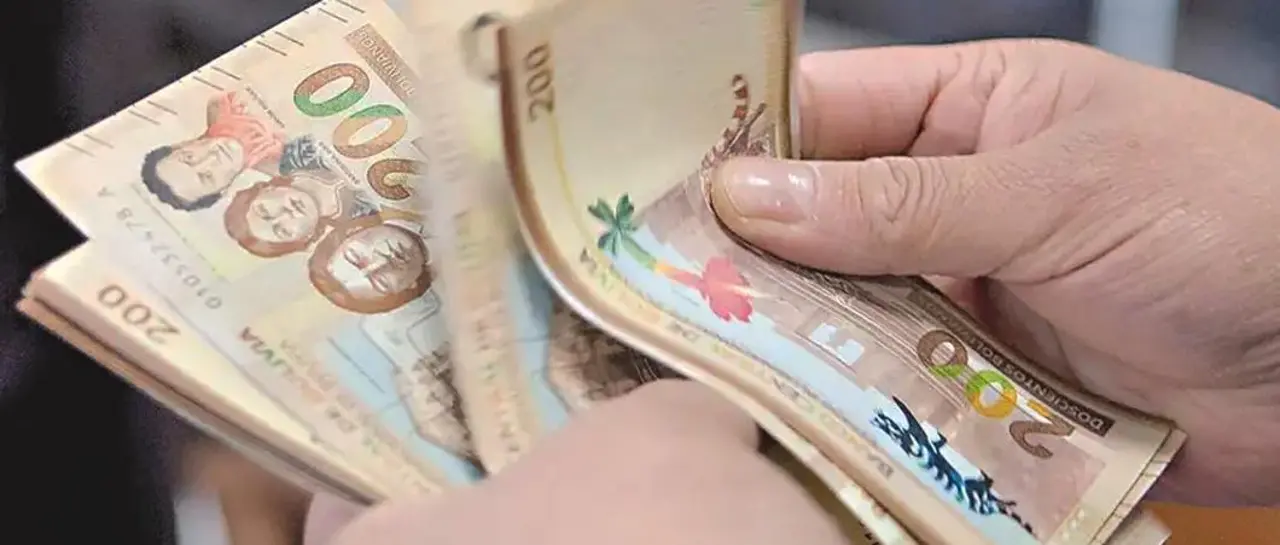
Reference image.
Just days before the celebration of Labor Day, when the government typically announces a wage increase, various economic analyses are emerging regarding Bolivia’s economic situation. Economist Gonzalo Chávez indicated that the raise could generate greater inflation.
“Can we afford to raise salaries during this crisis? Many companies will raise their prices to cover their costs, and that generates inflation,” said the economic analyst. [Watch video]
Chávez further explained that there will not only be an increase in the prices of products and services, but small businesses may also shut down, reducing market competition, which also leads to inflation and a worsening crisis, with more unemployment.
“Whether due to costs or monetary expansion, there will be inflation,” Chávez stated, while pointing out that the government should have economic policies to combat inflation and not just decree a wage increase.
Last week, the Bolivian Workers’ Center (COB) formally requested a 15% increase in the minimum wage and a 20% increase in the base salary.
Meanwhile, last year’s wage increase was 5.85% for the minimum wage and 3% for the base salary, raising the wage from Bs 2,362 to Bs 2,500.
Por Unitel Digital:
Analista señala que aprobar un incremento salarial generará mayor inflación económica
El economista Gonzalo Chávez indicó que, si suben los sueldos, las empresas deberán cubrir sus costos, lo que derivará en un problema mayúsculo en el tema económico.
Imagen referencial.
A pocos días de celebrar el Día del Trabajo, cuando habitualmente el Gobierno anuncia un incremento salarial, surgen diferentes análisis económicos sobre la situación económica en Bolivia. El economista Gonzalo Chávez indicó que el alza puede generar una mayor inflación.
“¿Podemos darnos el lujo de incrementar salarios en esta crisis? muchas empresas aumentarán sus precios para cubrir sus costos y eso genera inflación”, indicó el analista económico. [Ver el video]
Chávez profundiza que no solo habrá incremento en el precio de productos y servicios, sino que las empresas pequeñas pueden llegar a cerrar, generando una menor competencia en el mercado, lo que también deriva en inflación y aumento de crisis, con más desempleo.
“Ya sea por costos, expansión monetaria, habrá inflación”, aseguró Chávez a tiempo de señalar que el Gobierno debe tener políticas económicas contra la inflación y no solo decretar un incremento salarial.
Durante la semana pasada, la Central Obrera Boliviana (COB) solicitó formalmente al Gobierno la propuesta de un 15% al sueldo mínimo y de un 20% al haber básico.
En tanto, el pasado año el aumento salarial fue de 5,85% al sueldo mínimo y del 3% al haber básico, lo que derivó a que el sueldo pase de Bs 2.362 a Bs 2.500.

 Bolivian Thoughts | Pensamientos Bolivianos (Bilingual/Bilingüe)