
By El Diario:
According to Tropical Forest Alliance
- The report states that as the second-largest forest in South America, it can position itself as a global leader in regenerative agriculture and sustainable livestock farming.
With the right investments, policies, and partnerships, the Gran Chaco could become a model for balancing economic growth with ecological preservation, according to Jack Hurd, Executive Director of the Tropical Forest Alliance (TFA), a platform of the World Economic Forum.
According to the report, with the right investments, policies, and partnerships, the Gran Chaco has the potential to balance economic growth with ecological preservation in this naturally rich region spanning four South American countries. With this model, the meat sector, in particular, can generate a positive environmental impact by improving soil health, water efficiency, and biodiversity.
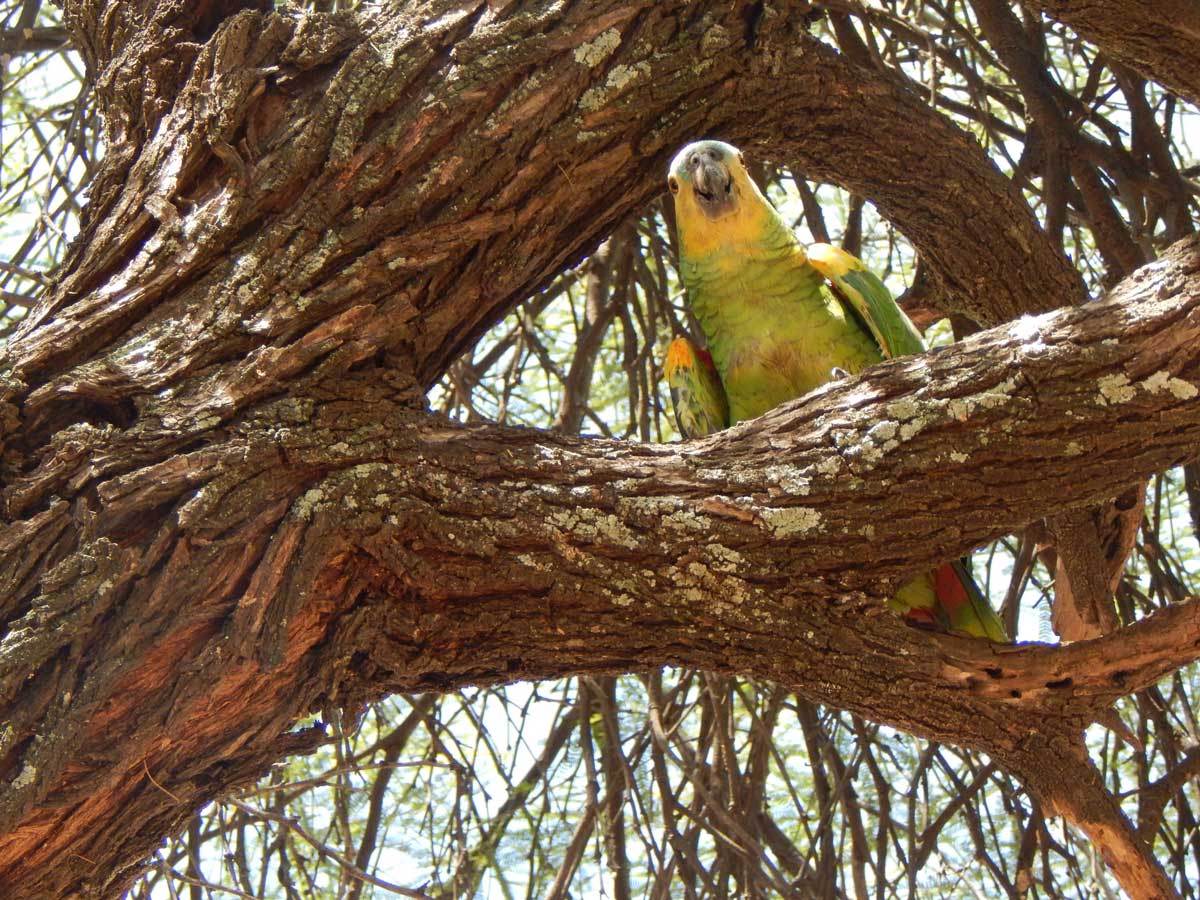
Covering more than 1 million square kilometers (100 million hectares) across Argentina, Paraguay, Bolivia, and Brazil, the Gran Chaco is one of the most biodiverse regions in the world, home to 3,400 plant species, 500 bird species, and more than 200 species of reptiles and amphibians, among others. It is also a strong economic driver, producing large volumes of soy and its rotational crops (corn, sorghum, and wheat) for domestic and export markets, as well as livestock. However, increasing pressure from agricultural expansion threatens its ecological balance.
The TFA report, The Gran Chaco: Pathways Towards a Sustainable Future, developed in collaboration with the World Economic Forum and Latin American sustainability consultancy Rever, details how this strategic biome could lead the way in integrating agricultural production with environmental conservation.
Based on extensive research, the document outlines several priorities to transform the Gran Chaco into a model of sustainable development, including:
– Strengthening land-use policies to promote sustainable agricultural expansion.
– Enhancing supply chain transparency to ensure deforestation-free production through improved traceability systems and initiatives such as Visec (Sectoral Vision of the Argentine Gran Chaco).
– Expanding financial incentives, such as carbon markets and green bonds, to support sustainability initiatives.
– Using ecotourism as a complementary tool to increase farmers’ income and support conservation efforts.
Currently, many initiatives demonstrate the feasibility of regenerative agriculture and ecotourism, and scaling these approaches could position the Gran Chaco as a global leader in sustainable development. Among the regional sustainable strategies, integrated crop-livestock-forestry (ICLF) systems stand out. These approaches incorporate effective soil and livestock management principles while promoting both human and ecosystem health. Practices such as rotational grazing and the use of native grasslands help minimize environmental impact.
With this model, “the meat sector has great potential to generate a positive environmental impact by improving soil health, water efficiency, and biodiversity,” Hurd said.
Additionally, ecotourism can serve as a complementary tool for agricultural and livestock producers to increase their income and support conservation efforts. Establishing private nature reserves alongside state-protected areas and linking them through ecological corridors, creating ecotourism routes and trails that promote local biodiversity, facilitate wildlife movement, and generate sustainable long-term employment opportunities.
The document, set to be released on March 27, states that effectively scaling these approaches requires collective action among businesses, governments, financial institutions, civil society groups, and other key decision-makers.
It also advocates for collaboration between Argentina, Bolivia, Brazil, and Paraguay to develop unified and lasting reforms, strategies, and tactics that pave the way for sustainable growth in the region.
“This report is a call to action for all stakeholders to invest in the Gran Chaco and prioritize its future,” Hurd urged. “With the growing global demand for food and commodities, the region offers an unprecedented opportunity to lead the way in reconciling production and environmental management. Governments, businesses, NGOs, and multilateral organizations must work together to ensure that the Gran Chaco remains a productive, resilient, and biodiverse landscape for generations to come.”
Por El Diario:
Según Tropical Forest Alliance
- El informe sostiene que cómo el segundo bosque más grande de América del Sur puede posicionarse como líder mundial en agricultura regenerativa y ganadería sostenible.
Con las inversiones, políticas y asociaciones adecuadas, el Gran Chaco podría convertirse en un modelo para equilibrar el crecimiento económico con la preservación ecológica, según el director ejecutivo de Tropical Forest Alliance (TFA), plataforma del Foro Económico Mundial, Jack Hurd.
Según el informe, con las inversiones, políticas y asociaciones adecuadas, el Gran Chaco Americano tiene el potencial para equilibrar el crecimiento económico con la preservación ecológica en esa región de gran riqueza natural que abarca cuatro países de Sudamérica. Con este modelo, el sector carne en particular puede generar un impacto ambiental positivo al mejorar la salud del suelo, la eficiencia del agua y la biodiversidad.
Con una extensión de más de 1 millón de kilómetros cuadrados (100 millones de hectáreas) dentro del territorio de Argentina, Paraguay, Bolivia y Brasil, el Gran Chaco es una de las regiones más biodiversas del mundo, hogar de 3.400 especies de plantas, 500 especies de aves y más de 200 especies de reptiles y anfibios, entre otras. También es un sólido motor económico, al producir para el mercado interno y la exportación de grandes volúmenes de soja y sus cultivos de rotación (maíz, sorgo y trigo), así como ganadería. Sin embargo, la creciente presión de la expansión agrícola amenaza su equilibrio ecológico.
El informe de TFA “The Gran Chaco: Pathways Towards a Sustainable Future” (en castellano, “El Gran Chaco: caminos hacia un futuro sostenible”), desarrollado en colaboración con el Foro Económico Mundial y la consultora latinoamericana de sostenibilidad Rever, detalla cómo este estratégico bioma podría liderar el camino en la integración de la producción agrícola con la conservación ambiental.
Basándose en una investigación exhaustiva, el documento establece varias prioridades para transformar el Gran Chaco en un modelo de desarrollo sostenible, entre ellas:
– Fortalecer las políticas de uso de la tierra para promover una expansión agrícola sostenible.
– Mejorar la transparencia de las cadenas de suministro para garantizar una producción libre de deforestación, mediante sistemas de trazabilidad mejorados e iniciativas como Visec (Visión Sectorial del Gran Chaco Argentino).
– Ampliar los incentivos financieros, como los mercados de carbono y los bonos verdes, para apoyar las iniciativas de sostenibilidad.
– Utilizar el ecoturismo como una herramienta complementaria para aumentar los ingresos de los agricultores y apoyar los esfuerzos de conservación.
Al momento, existen muchas iniciativas que demuestran la viabilidad de la agricultura regenerativa y el ecoturismo, y ampliar estos enfoques podría posicionar al Gran Chaco como un líder global en desarrollo sostenible.
Entre las estrategias regionales sostenibles, se destacan los sistemas integrados de cultivos-ganadería-silvicultura (ICLF, por sus siglas en inglés). Estos enfoques integran principios de manejo efectivo del suelo y del ganado, al mismo tiempo que fomentan la salud tanto de los seres humanos como de los ecosistemas. Incluyen prácticas como el pastoreo rotativo y el uso de pastizales nativos para minimizar el impacto ambiental.
Con este modelo, “el sector de la carne tiene un gran potencial para generar un impacto ambiental positivo al mejorar la salud del suelo, la eficiencia del agua y la biodiversidad”, dijo Hurd.
El ecoturismo, además, puede servir como una herramienta complementaria para los productores agrícolas y ganaderos, con el fin de aumentar sus ingresos y apoyar los esfuerzos de conservación. Establecer reservas privadas de la naturaleza, junto con áreas protegidas por el Estado y vincularlas a través de corredores ecológicos, crear rutas y senderos de ecoturismo que promueven la biodiversidad local, facilitan el movimiento de la fauna silvestre y generan oportunidades de empleo sostenibles a largo plazo.
El documento, que se hará público este 27 de marzo, establece que ampliar estos enfoques de manera efectiva requiere una acción colectiva entre empresas, gobiernos, instituciones financieras, grupos de la sociedad civil y otros actores clave en la toma de decisiones.
También aboga por la colaboración entre Argentina, Bolivia, Brasil y Paraguay para desarrollar reformas, estrategias y tácticas unificadas y duraderas que allanen el camino hacia el crecimiento sostenible de esa región.
“Este informe es un llamado a la acción para que todos los stakeholders inviertan en el Gran Chaco y prioricen su futuro”, instó Hurd. “Con la creciente demanda mundial de alimentos y commodities, la región ofrece una oportunidad sin precedentes para liderar el camino en la reconciliación entre la producción y la gestión ambiental. Los gobiernos, las empresas, las ONG y las organizaciones multilaterales deben trabajar juntos para garantizar que el Gran Chaco siga siendo un paisaje productivo, resiliente y biodiverso para las generaciones venideras”.

 Bolivian Thoughts | Pensamientos Bolivianos (Bilingual/Bilingüe)