
By Fernando Chavez Vision 360:
“Mineral Narrative,” a night tour through the mining history of Potosí
The mineral rooms showcase a wide variety of samples, including silver and tin, which were essential to the economy during the colonial period.
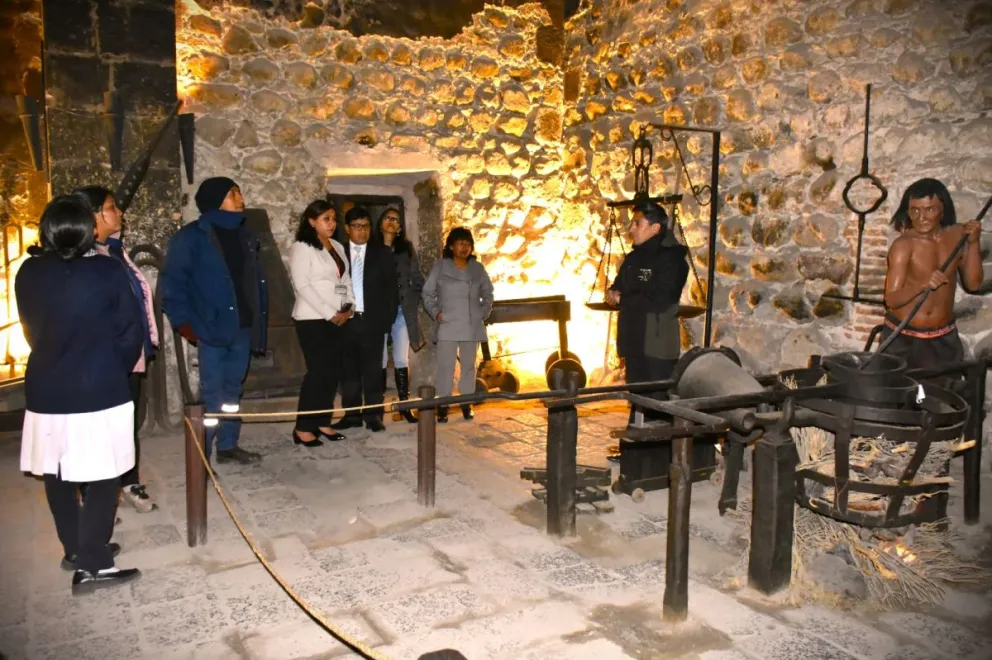
A guide explains the tour to a group of visitors. Photo: CNM
A guided night tour called “Mineral Narrative” welcomed nearly 200 visitors, allowing them to appreciate and learn about the sites where metals have been processed over the centuries in Potosí. The tour included rooms dedicated to minerals, silverwork, and colonial furnaces, which still retain traces of soot from intense mining activity.
One of the highlights was the furnaces, where guides explained how minerals were smelted for centuries to extract silver, the main economic driver during the colonial period. They also described the various techniques used in mineral processing throughout history.
The National Mint of Bolivia (CNM), part of the Cultural Foundation of the Central Bank of Bolivia (FC-BCB), organized the tour. The CNM houses a collection of over 3,600 mineral samples, displayed in two rooms.
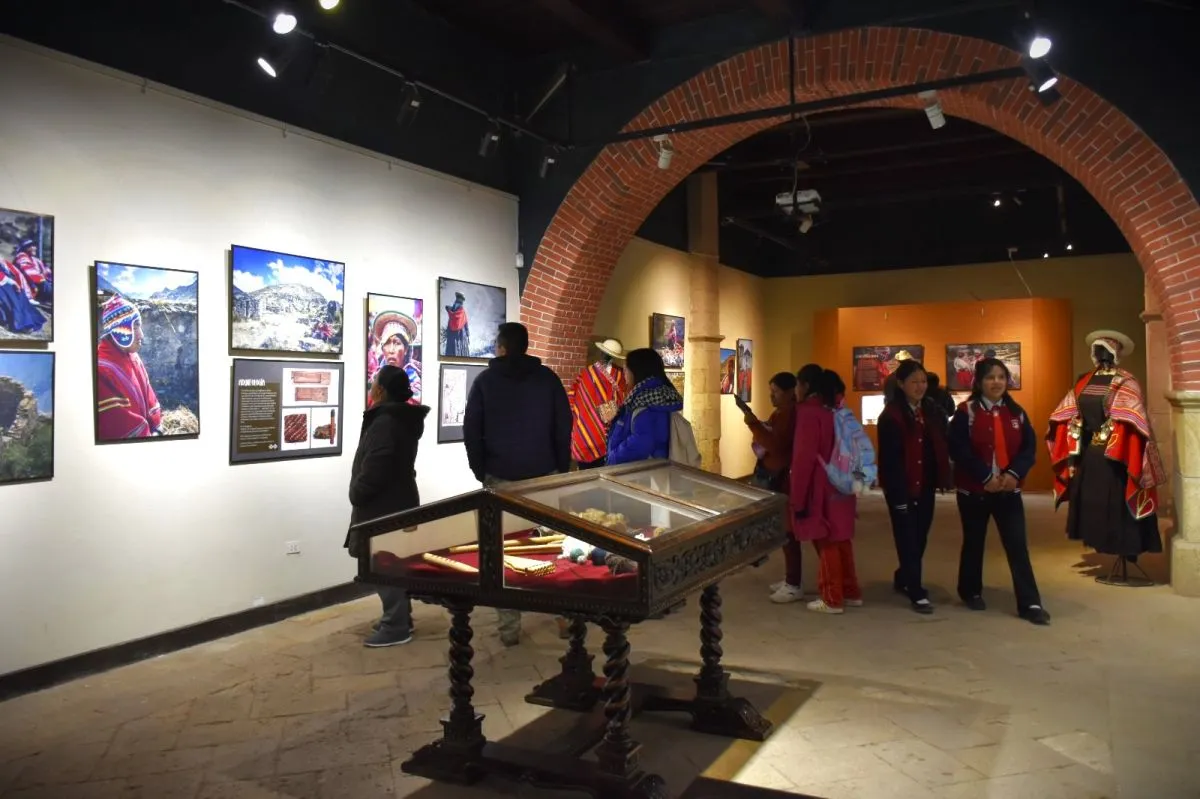
One of these rooms showcases the collection of the Bolivian Mining Corporation (Comibol), while the other consists of objects donated by the former Bolivian Mining Bank (Bamin).
“The mineral rooms present a wide variety of samples, including silver and tin, which were essential to the economy during the colonial period. In addition to displaying the minerals, the exhibition provided information on the extraction and processing methods used, offering visitors an educational approach to the region’s geology and mining history,” stated a press release.
The tour also included the silverwork room, which highlights the artistic and cultural heritage of Potosí. This room houses a vast collection of liturgical and civil objects made of silver from the colonial era.
Potosí’s artisans produced both religious and domestic items, many of which have endured to this day. The silver collection is classified according to its use: liturgical objects, household items, and personal use artifacts.
Silver, considered one of the most precious metals during the colonial period, was used to create a wide range of pieces that are part of the CNM’s collections. These include crucifixes, chalices, vases, censers, bells, crowns, tableware, and other objects that reflect the artistic and cultural diversity of the time.
“Mineral Narrative” is part of a series of initiatives aimed at bringing the population closer to historical heritage by opening the museum during unconventional hours, as preparations are made for Bolivia’s Bicentennial.
These night visits, held on the first Friday of every month, allow visitors to delve into the country’s cultural and heritage legacy, offering a new perspective on Bolivia’s historical significance and development, according to the note.
Por Fernando Chavez, VIsion 360:
“Relato de mineral”, un recorrido nocturno por la historia minera de Potosí
Las salas de minerales presentan una amplia variedad de muestras, incluyendo de plata y estaño, que fueron esenciales para la economía durante la colonia.
Una guía explica el recorrido a un grupo de visitantes. Foto: CNM
Una visita guiada nocturna denominada “Relato de mineral” acogió a casi 200 visitantes que pudieron apreciar y conocer los sitios donde a lo largo de los siglos se procesan metales en Potosí, recorriendo las salas dedicadas a los minerales, la platería y los hornos coloniales, que aún conservan restos del hollín dejados por la intensa actividad minera.
Uno de los lugares destacados fueron los hornos, donde se explicó cómo durante siglos se fundieron minerales para la extracción de plata, el principal motor económico durante la colonia. Las guías también explican las distintas técnicas empleadas en el procesamiento de minerales a lo largo de la historia.
La Casa Nacional de Moneda (CNM), dependiente de la Fundación Cultural del Banco Central de Bolivia (FC-BCB), llevó a cabo la visita. El CNM alberga una colección de más de 3.600 muestras de minerales, distribuidas en dos salas.
Una de estas exhibe la colección de la Corporación Minera de Bolivia (Comibol), mientras que la otra está compuesta por objetos donados por el ex Banco Minero de Bolivia (Bamin).
“Las salas de minerales presentan una amplia variedad de muestras, incluyendo de plata y estaño, que fueron esenciales para la economía durante la colonia. Además de exhibir los minerales, la exposición mostró información sobre los métodos de extracción y procesamiento utilizados, brindando a los visitantes un enfoque pedagógico sobre la geología y la historia minera de la región”, se informó en una nota de prensa.
El recorrido también incluyó la sala de platería, que resalta el patrimonio artístico y cultural potosina. Esta sala alberga una vasta colección de objetos litúrgicos y civiles elaborados en plata, desde la época colonial.
Los artesanos de Potosí producían tanto objetos religiosos como domésticos, muchos de los cuales han perdurado hasta nuestros días. La colección de platería está clasificada según su uso: objetos litúrgicos, artículos domésticos y de uso personal.
La plata, considerada uno de los metales más preciados durante la colonia, se utilizó para fabricar una gran variedad de piezas que forman parte de las colecciones de la CNM. Entre ellos se incluyen crucifijos, cálices, jarrones, incensarios, campanillas, coronas, vajillas y entre otros objetos que reflejan la diversidad artística y cultural de la época.
“Relato de mineral” forma parte de una serie de iniciativas orientadas a acercar a la población al patrimonio histórico, abriendo el museo en horarios no convencionales como preparativos rumbo al Bicentenario de Bolivia.
Estas visitas nocturnas, que se realizan el primer viernes de cada mes, permiten a los visitantes profundizar en el legado cultural y patrimonial, brindando una nueva perspectiva sobre la relevancia histórica y el desarrollo del país, dice la nota.

 Bolivian Thoughts | Pensamientos Bolivianos (Bilingual/Bilingüe)