By Aldo Aguilera, El Día:
Reactions to the YPFB Intervention: Political Show, Failure of the State-Controlled Model, and More Bureaucracy
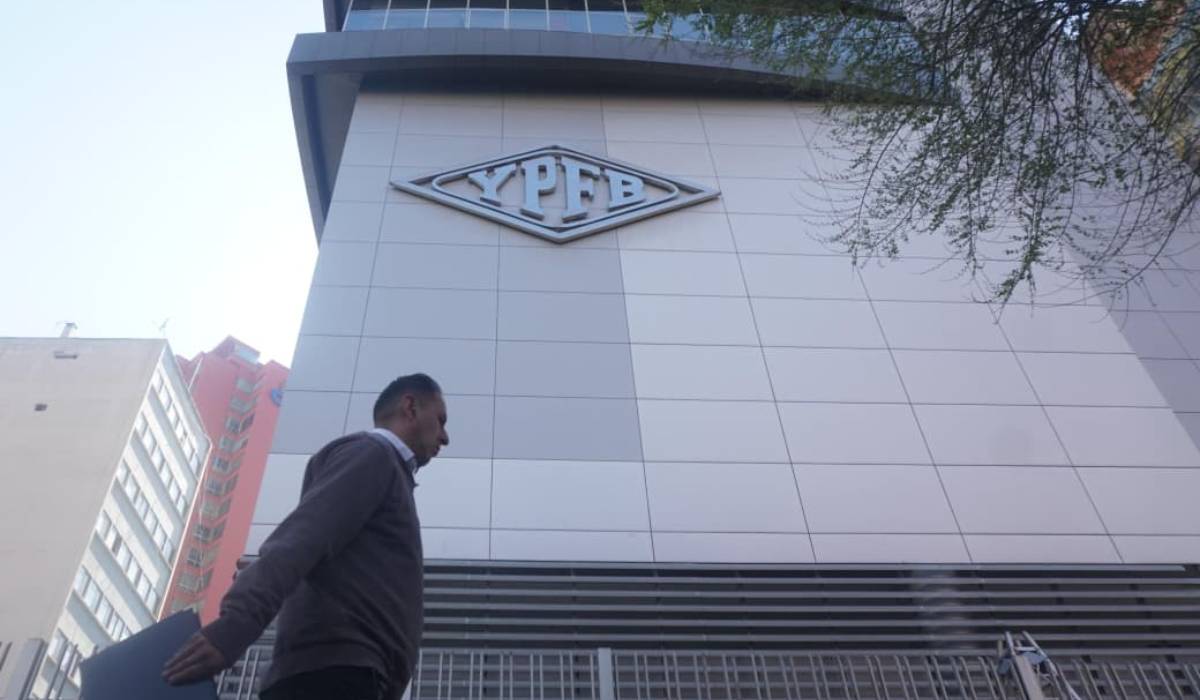
YPFB headquarters building in La Paz. Photo: APG
The government’s decision to intervene in YPFB was met with skepticism, criticism, and doubts from political and social sectors as well as analysts, who believe it is not the solution to the severe fuel supply shortages the country has been experiencing for several years.
“Bolivia’s state-controlled model has failed. After the so-called false nationalization, that model died,” said Agustín Zambrana, First Vice President of the Pro Santa Cruz Committee, who questioned the effectiveness of the measure. “We do not want an intervention that merely replaces one group of crooks with another and then leaves everything unresolved,” he emphasized.
The leadership of the El Alto drivers’ union and Popular Alliance lawmaker Rolando Pacheco described the measure as a political show by the government. The legislator also suspects it is part of a plan to privatize YPFB and that the intervention is intended to declare the company bankrupt as a step toward that objective.
Analyst Francesco Zaratti believes the intervention amounts to an audit conducted by government bodies of a state-owned entity, rather than by a specialized independent firm. He stressed that there is a presumption of corruption in fuel commercialization, but this must be proven by identifying the officials and departments within the state oil company that may be involved.
“The real measure should be to eliminate the fuel subsidy. There is no debate about that. Obviously, it should be accompanied by other mitigation measures for the population that would be most affected,” Zaratti said in an interview with Unitel.
Carlos Alarcón, a lawmaker from the Unidad alliance, stated that ideally the intervention commission should have been made up of independent figures rather than government ministers. He hopes the commission will implement substantive changes rather than mere “cosmetic fixes,” including the removal of personnel from the previous administration who are undermining the company.
“YPFB has failed. And the government’s response is to add more bureaucracy,” Senator Branko Marinkovic wrote on social media. He criticized the creation of a commission made up of five ministries “to intervene in a company that everyone already knows is corrupt and dysfunctional, while Bolivians continue standing in line to buy fuel.”
He emphasized that an army of YPFB employees, whom he describes as inefficient and incapable of importing fuel, costs the country Bs 2.4 billion in salaries. Among the long-term solutions he proposes are ending YPFB’s monopoly and liberalizing fuel imports.
Por Aldo Aguilera, El Día:
Reacciones a la intervención de YPFB: show, fracaso del modelo estatista y más burocracia
Edificio principal de la petrolera YPFB en La Paz. Foto: APG
La decisión del gobierno de intervenir YPFB fue recibida con escepticismo, críticas y dudas en sectores políticos, sociales y analistas, pues consideran que no es la solución al grave problema de desabastecimiento que sufre el país desde hace varios años.
“El modelo estatista de Bolivia fracasó. Luego de la famosa nacionalización falsa que hubo muere ese modelo”, señaló el primer vicepresidente del Comité pro Santa Cruz, Agustín Zambrana, quien duda de la efectividad de la medida aplicada. “No queremos solamente intervención para cambiar de pícaros y simplemente que esto quede en el aire”, remarcó.
La dirigencia de choferes de El Alto y el diputado de Alianza Popular, Rolando Pacheco, calificaron la medida como un show político del gobierno. El legislador sospecha además que es parte de un plan para privatizar YPFB y con ese objetivo buscarían declararla en quiebra.
El analista Francesco Zaratti considera que la intervención es una auditoría de instancias del gobierno a una entidad estatal y no a cargo de una firma especializada. Enfatiza que hay la presunción de corrupción en la comercialización de combustibles, pero eso tiene que demostrarse identificando a funcionarios y unidades de la petrolera estatal implicada.
“La medida real tiene que ser eliminar la subvención. Sobre esto no llueve. Obviamente, acompañada de otras medidas de mitigación para la población que sería más golpeada”, señaló Zaratti, en entrevista con Unitel.
El diputado de la alianza Unidad, Carlos Alarcón, señaló que lo ideal hubiera sido que la comisión interventora la integren personalidades independientes y no los ministros. Espera que la comisión realice cambios de fondo y no “maquillaje”, incluida la depuración del personal de la anterior gestión que está contaminando a la empresa.
“YPFB fracasó. Y la respuesta del Gobierno es meter más burocracia”, agregó desde sus redes sociales el senador Branko Marinkovic, quien cuestionó la creación de una comisión, integrada por cinco ministerios “para intervenir una empresa que todos ya sabemos que es corrupta y no funciona, mientras los bolivianos siguen haciendo fila para cargar combustible”.
Hizo énfasis en que un ejércitos de funcionarios de la petrolera, que califica de ineficientes e incapaces para importar combustibles, le cuesta al país Bs 2.400 millones en salarios. Entre las soluciones de fondo plantea eliminar el monopolio de YPFB y liberar la importación de combustibles.


Leave a Reply