
By Unitel:
What are the ITF and the other taxes that the Government will repeal, and how do they work?
This Tuesday, the first package of economic measures in the tax area was released by Rodrigo Paz’s administration.
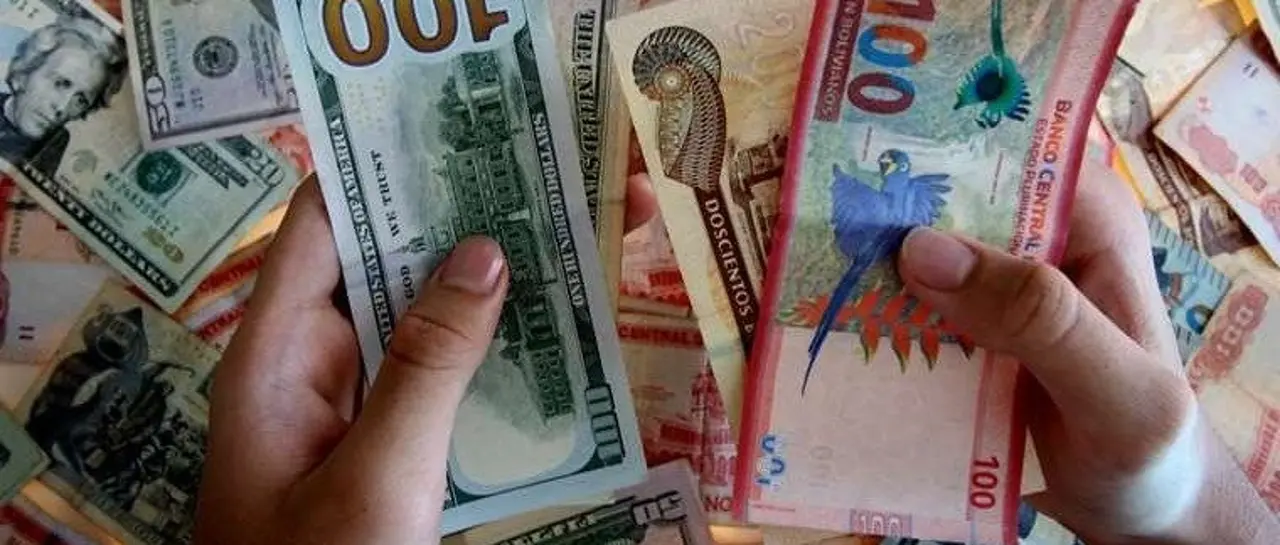
The ITF will cease to be collected once the law is approved by the Plurinational Legislative Assembly (ALP)
Economy Minister José Gabriel Espinoza reported on November 25 that the ITF and three other taxes will be repealed as part of a package of measures to encourage investment in the country.
The first of these is the Financial Transactions Tax (ITF), created in 2006 by the government of Evo Morales. It applies to, among others, the following operations:
– Credits and debits in checking and savings accounts
– Payments or fund transfers
– Transfers or remittances of money, either abroad or within the country
– Delivery or receipt of own or third-party funds that form part of a payment system inside or outside the country
The Financial Transactions Tax rate is 0.30% of the gross amount of the transaction. This amount is paid by the user.
In addition to the ITF, the Government has sent a bill to the Legislative Assembly to repeal the Wealth Tax (IGF). This tax is levied on individuals with a net worth greater than Bs 30 million.
The annual IGF rate is divided as follows: fortunes between Bs 30 million and Bs 40 million pay 1.4% (equivalent to Bs 150,000); fortunes between Bs 40 million and Bs 50 million pay 1.9% (Bs 350,000); and fortunes above Bs 50 million pay 2.4% (Bs 600,000).
The other two taxes that will be eliminated are: the tax on business promotions, which sets a 10% rate on the total value of the prize; and the tax on games of chance or raffles, which applies a 30% rate on gross income minus VAT.
All four taxes will remain in effect until their consideration by the Plurinational Legislative Assembly and subsequent enactment by the Executive Branch.
Por Unitel:
¿Qué es y cómo funcionan el ITF y los otros impuestos que serán derogados por el Gobierno?
Este martes se conoció el primer paquete de medidas económicas de parte de la administración de Rodrigo Paz en el área impositiva
El ITF dejará de ser cobrado una vez se apruebe la ley en la ALP
El ministro de Economía, José Gabriel Espinoza, informó este 25 de noviembre que se abrogará el ITF y otros tres impuestos como parte de un paquete de medidas para fomentar las inversiones en el país.
El primero de ellos es el Impuesto a las Transacciones Financieras, creado en 2006 por el Gobierno de Evo Morales, y graba, entre otras, las siguientes operaciones:
–Créditos y débitos en cuentas corrientes y cajas de ahorro.
-Pagos o transferencias de fondos
-Transferencias o envíos de dinero, al exterior o interior del país (remesas)
–Entregas o recepción de fondos propios o de terceros que conforman un sistema de pagos en el país o en el exterior.
La alícuota del Impuesto a las Transacciones Financieras es del 0,30% del monto bruto de la transacción. Este monto es pagado por el usuario.
Además del ITF, el Gobierno ha enviado a la Asamblea Legislativa un proyecto de ley para derogar el Impuesto a las Grandes Fortunas (IGF). Se trata de un impuesto que se cobra a las personas naturales con un valor neto de fortuna mayor a Bs 30 millones.
La alícuota anual del IGF está dividida de la siguiente forma: fortunas entre Bs 30 millones y Bs 40 millones el 1.4% (representado en Bs 150.000), fortunas entre Bs 40 y Bs 50 millones el 1.9% (Bs 350.000) y de Bs 50 millones en adelante el 2.4% (Bs 600.000).
Los otros dos impuestos que se eliminarán son: el Impuesto a las promociones empresariales, que fija una alícuota del 10% sobre el valor total del premio; y el impuesto a los juegos de azar o sorteos, que señala una tasa del 30% sobre los ingresos brutos menos el IVA.
Los cuatro impuestos permanecerán en vigencia hasta su tratamiento en la Asamblea Legislativa Plurinacional y posterior promulgación por el Órgano Ejecutivo.

 Bolivian Thoughts | Pensamientos Bolivianos (Bilingual/Bilingüe)