
By Álvaro Rosales, Unitel:
A Parliament that Works and Anti-crisis Leadership: The Keys for the New Government, According to Analysts
Ahead of the runoff, two analysts believe that building bridges and finding consensus will be crucial to face the economic situation, where another factor also arises: Edman Lara’s confrontational stance
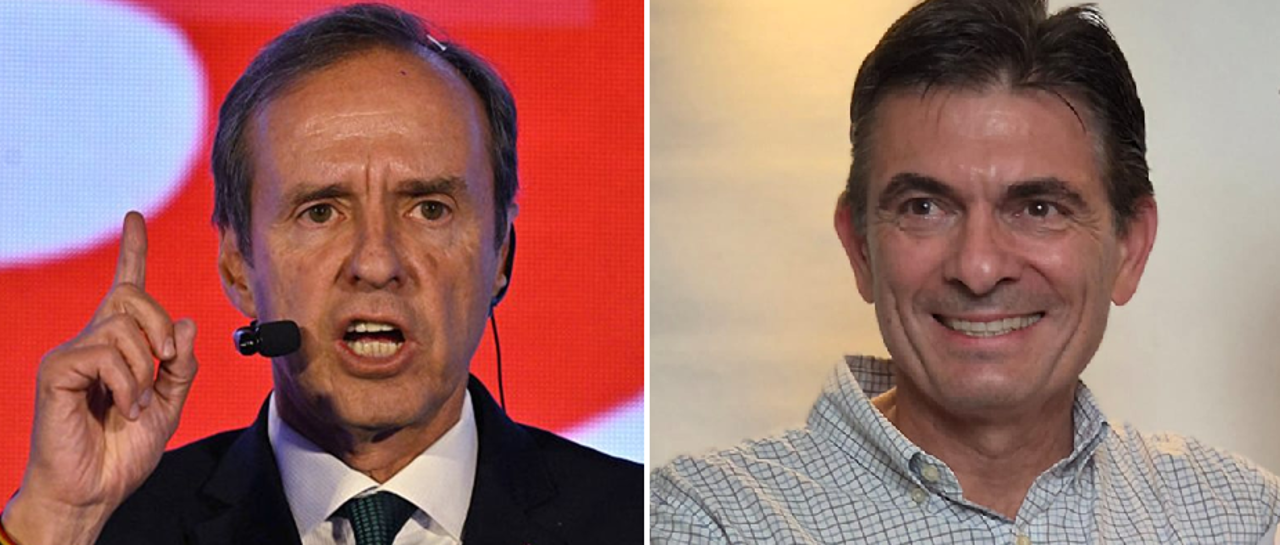
Tuto Quiroga and Rodrigo Paz were the most voted candidates in the first round
With the runoff set between Jorge Tuto Quiroga (Libre) and Rodrigo Paz (PDC), analysts Eduardo Bowles and Marco Zelaya argue that the immediate priority for the next government must be ensuring a fully functioning Parliament and exercising leadership aimed at delivering concrete solutions to the country’s economic crisis.
Both camps have already begun positioning themselves for the second round. For instance, Quiroga urged the parliamentary blocs – already defined in the first round – to begin working without waiting for the final chapter of the electoral process, whose decisive day will be October 19, when the new president will be chosen.
In this context, Bowles viewed Quiroga’s proposal as coherent, emphasizing that the country needs a Parliament that functions and starts crafting proposals to overcome the crisis, as this is one of the issues that most concerns the public.
Meanwhile, Rodrigo Paz, in one of his first messages, spoke of the need for stabilization, governance, and change, so that the economy belongs to the people rather than the State.
From analyst Marco Zelaya’s perspective, both candidates’ openness is encouraging, stressing the importance of maintaining that approach.
“Tuto has shown a willingness to build bridges, to talk, and I think that’s largely due to the magnitude of the crisis,” Zelaya said. “I’ve also noticed that Rodrigo Paz has already begun outreach and dialogue,” he added.
For Bowles, the first-round results reflect that Bolivians no longer want ‘masismo,’ are betting on renewal, and want to overcome the crisis – the latter being a key factor in the runoff.
The Lara Factor
Zelaya identified a potential obstacle to dialogue: the role of PDC vice-presidential candidate Edman Lara, who denounced a “smear campaign” against him and insulted Tuto Quiroga, calling him a “coward” and a “faggot” during a rally in El Alto.
“In Lara, I don’t see any willingness for dialogue. His outburst was very strong and confrontational, and I think it generates rejection in the environment that could otherwise allow for dialogue and an effective, fast anti-crisis path,” the analyst observed.
Por Álvaro Rosales Melgar, Unitel:
Un Parlamento que funcione y un liderazgo anticrisis, las claves para el nuevo gobierno, según analistas
De cara a la segunda vuelta, dos analistas ven que será clave tender puentes y hallar consensos para hacer frente a la coyuntura económica, donde también asoma una observación: el factor de Edman Lara y su posición confrontacional
Tuto Quiroga y Rodrigo Paz fueron los más votados de la primera vuelta electoral
Con una segunda vuelta confirmada entre Jorge Tuto Quiroga (Libre) y Rodrigo Paz (PDC), los analistas Eduardo Bowles y Marco Zelaya señalan que el próximo gobierno deberá tener como prioridad inmediata el funcionamiento pleno del Parlamento y la implementación de un liderazgo que busque soluciones concretas al escenario de crisis económica que atraviesa el país.
Desde ambos frentes en carrera, ya empezaron a asumir posiciones de cara a la segunda vuelta. Por ejemplo, Quiroga instó a las bancadas que conformarán el Parlamento –tema ya definido en la primera vuelta- a trabajar sin tener que esperar el último capítulo del proceso electoral, cuyo día clave es el 19 de octubre, cuando se definirá al nuevo presidente.
En ese marco, Bowles valoró como coherente la propuesta de Tuto Quiroga y señaló que el país necesita un Parlamento que funcione y que comience a elaborar propuestas para salir de la crisis debido a que es uno de los temas que más interés despierta en la gente.
Mientras que Rodrigo Paz, en unos de sus primeros mensajes, habló de la necesidad de estabilización, generar gobernabilidad, generar un cambio para que la economía sea de la gente y no del Estado.
Desde la perspectiva del analista Marco Zelaya las señales de apertura de ambos candidatos, considerando importante que se mantenga esa línea.
“Tuto ha mostrado una predisposición a tender puentes, a conversar y creo que eso se debe sobre todo a la magnitud de la crisis”, dijo Zelaya. “He notado que Rodrigo Paz también ha tenido ya acercamientos y diálogo”, agregó.
Para Bowles, los resultados de la primera vuelta reflejan que el boliviano ya no quiere al masismo, apuesta por la renovación y busca salir de la crisis, siendo esto último un factor importante para la segunda vuelta.
El factor Lara
Zelaya identificó un elemento que podría tensionar ese escenario y complicar el camino del diálogo: el factor del candidato a la Vicepresidencia del PDC, Edman Lara, quien denunció una “guerra sucia” en su contra y lanzó insultos contra Tuto Quiroga, a quien calificó de “cobarde” y “maricón” durante un acto en El Alto.
“En lo que no veo una predisposición al diálogo es en el capitán Lara. Ha tenido una salida muy fuerte, muy confrontacional y creo que eso causa cierto rechazo en el ambiente que podría darse para ese diálogo y tratar de encontrar un camino anticrisis que sea efectivo y que sea rápido”, observó el analista.

 Bolivian Thoughts | Pensamientos Bolivianos (Bilingual/Bilingüe)