
By El Pais:
The history of Tarija is told in terms of battles won and territories lost
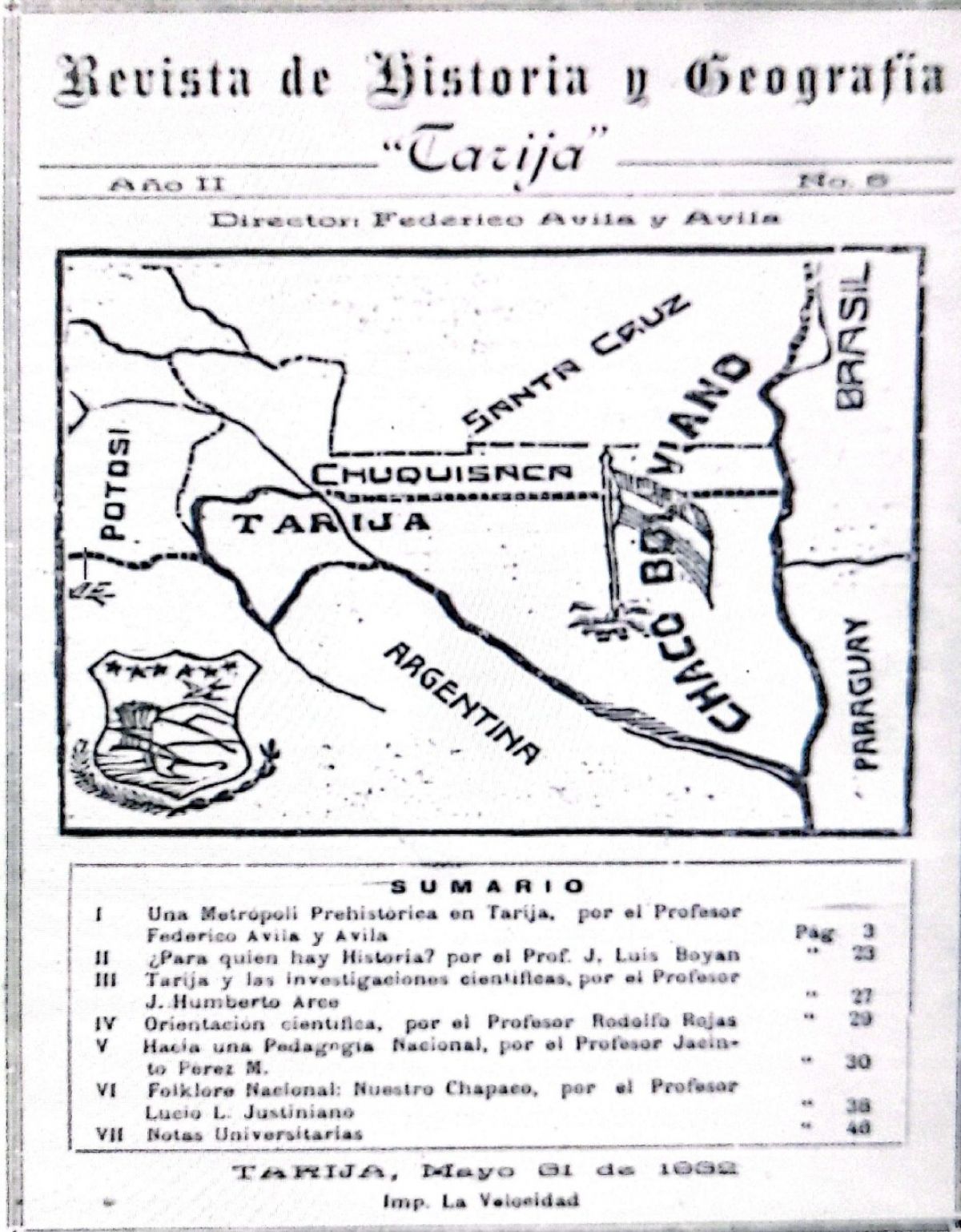
Maps of the department
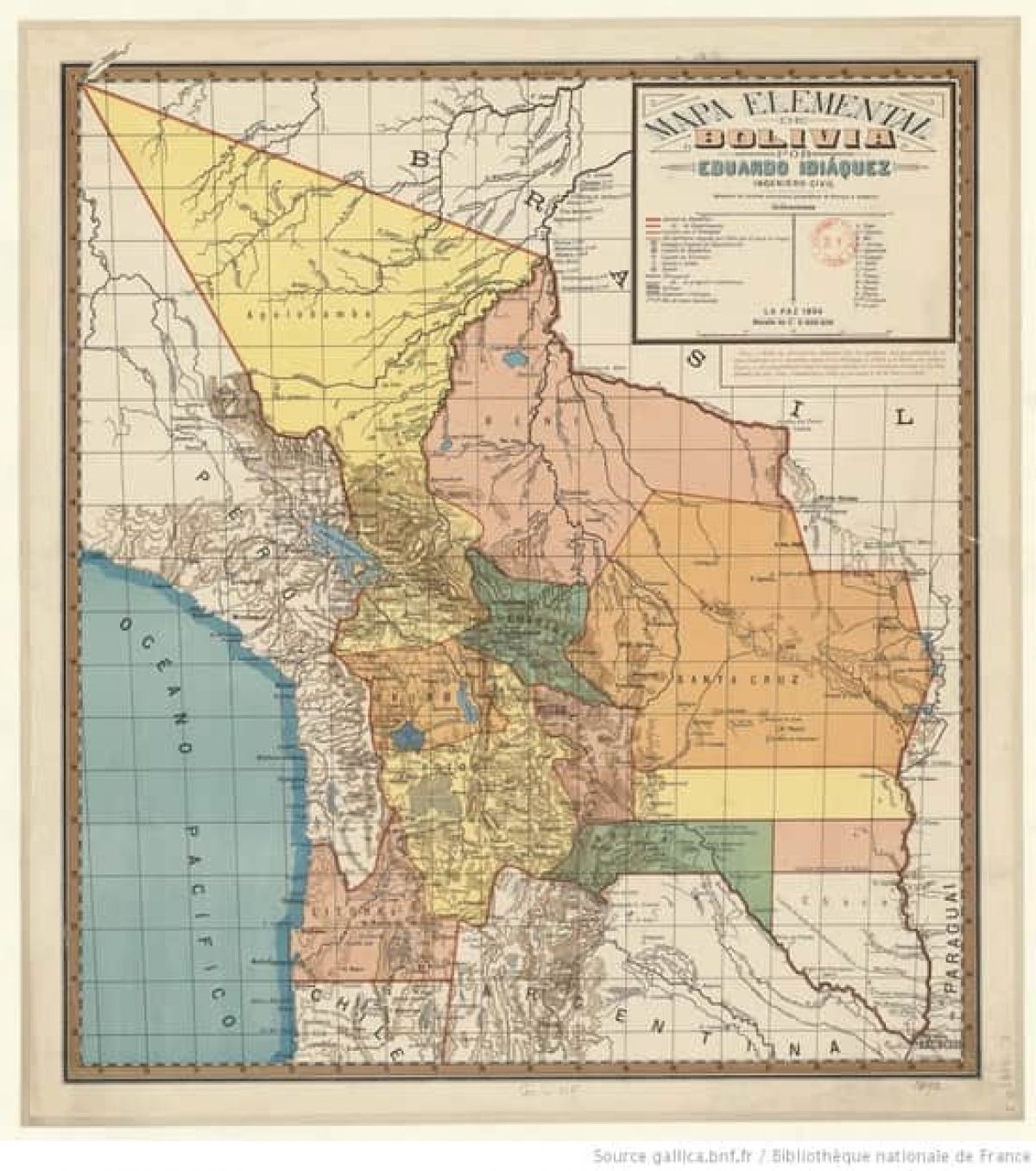
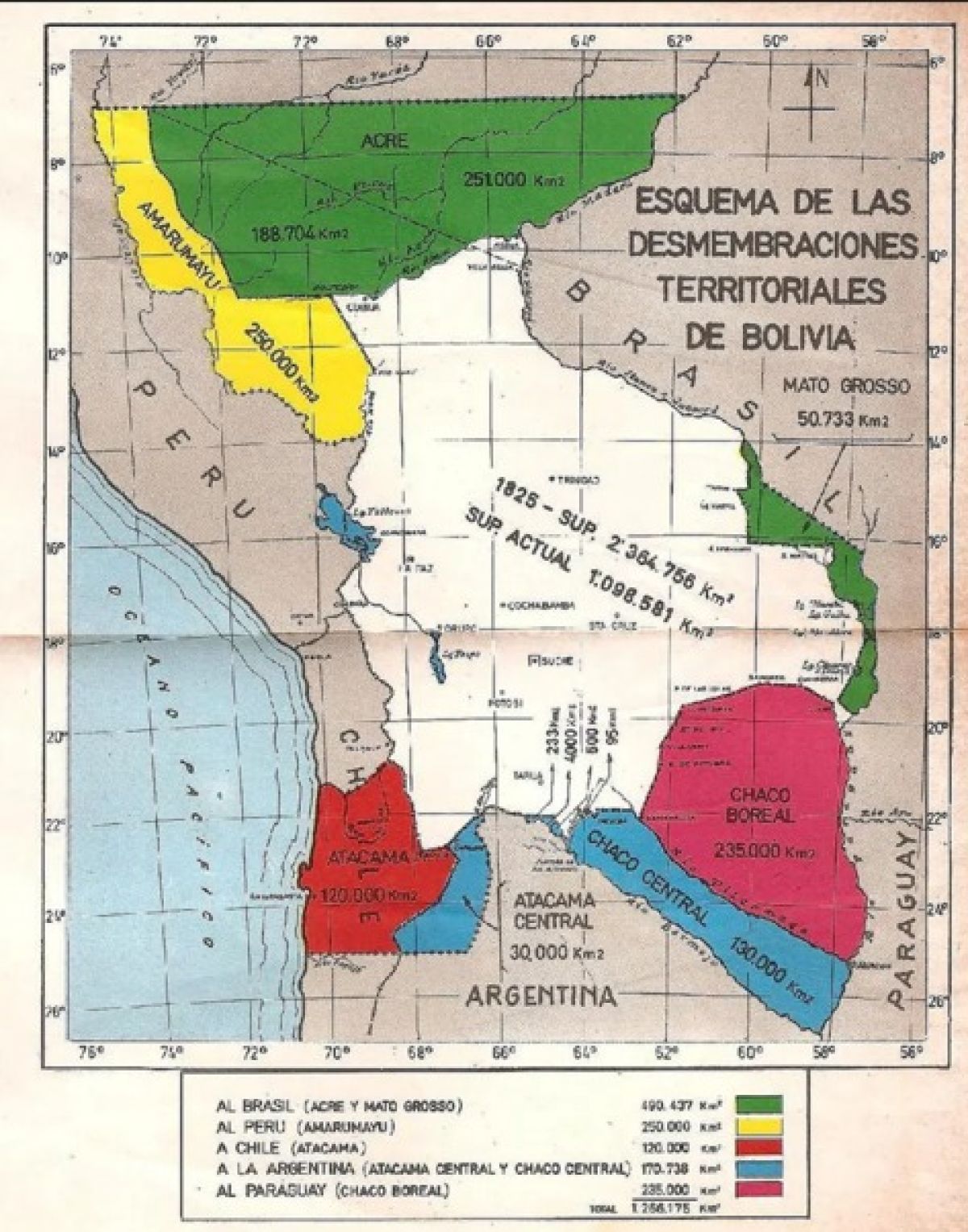
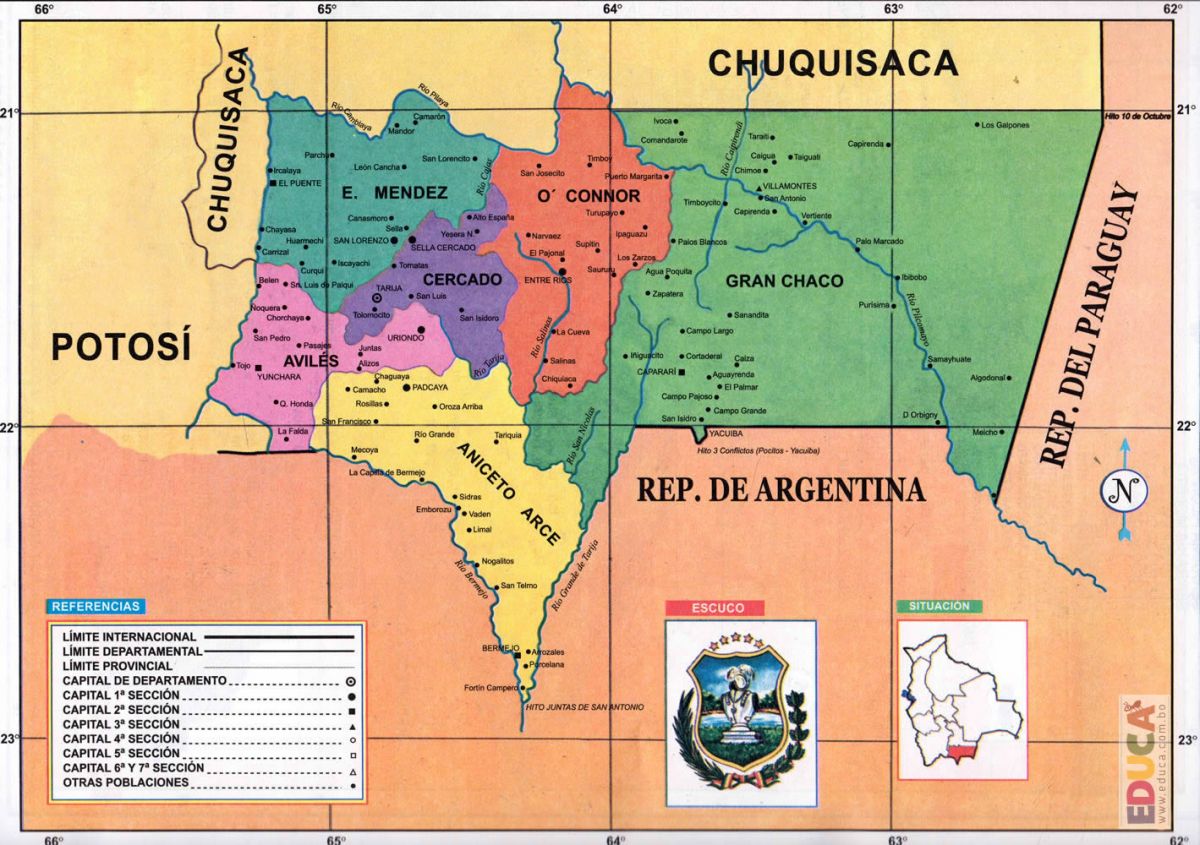
TARIJA Map
The Bicentennial celebration is an ideal occasion to review the different stages of history, highlighting the richness and the different feats that shaped the vast territory that makes up the nation. From the south, Tarija decided to become part of Bolivia under specific wartime and political circumstances, and since those decisions, its territory has changed.
The history of Tarija is told in terms of battles won and territories lost. From the beginning, the privileged Tarija valley became an essential hub for the movement of invaders, and the patriotic victory brought a shift in the board. Tarija was one of those cities where the war was actually fought rather than just declared elsewhere.
On April 15, 1817, the main leaders from all corners of the department came together to achieve the common goal: expel the invader and take control of their own destiny. With those same purposes and through popular participation, Tarija became bound—sealed in blood and fire—to Bolivia forever.
Tarija was once an enormous department that, over the years, gradually withdrew toward its valleys. The Chilean invasion of the Litoral, in which the only victory was won by Tarija’s troops, cut off its commercial routes to the Pacific. The subsequent civil war further distanced it not only from economic centers but also from political power, which shifted to La Paz.
It was during this time that the first drop of Bolivian oil emerged in Bermejo. Many more followed, and years later, the Chaco War broke out. Although Tarija managed to keep its wells and the lands that would later see the drilling of the largest gas fields in the country, the conflict reduced its domain.
“The Tarija Question”
To speak of this department, it is necessary to highlight “The Tarija Question,” a strategic, political, and military struggle between Bolivia and Argentina that lasted through the rest of the 19th century. It was not resolved until the Quirno Costa–Vaca Guzmán treaty of May 10, 1889, slightly modified in 1891 and enforced on March 10, 1893. The border was drawn in such a way that Argentina implicitly renounced its claim over Tarija. In return, Bolivia ceded a territory it had already lost militarily: the Puna de Atacama, which was in the hands of Argentina and Chile. Later, the border had to be modified again to include Yacuiba within Bolivia’s limits.
Today, the department of Tarija covers an area of approximately 37,623 km². It is divided into 6 provinces: Gran Chaco, Aniceto Arce, José María Avilés, Cercado, Eustaquio Méndez, and Burdet O’Connor.
It has 11 municipalities: Bermejo, Caraparí, El Puente, Entre Ríos, Padcaya, San Lorenzo, Tarija, Uriondo, Villamontes, Yacuiba, and Yunchará.
Por El País:
La Historia de Tarija se cuenta en clave de batallas ganadas y territorios perdidos
Mapas del departamento
Mapa de TARIJA
El festejo del Bicentenario es un marco propicio para repasar las diferentes etapas de la historia, poniendo en valor la riqueza y las diferentes gestas que fueron forjando el vasto territorio que conforma la nación. Tarija, desde el sur, tomó la decisión de formar parte de Bolivia en determinadas circunstancias bélicas y políticas, y desde aquellas decisiones, el territorio ha ido cambiando.
La Historia de Tarija se cuenta en clave de batallas ganadas y territorios perdidos. Desde el principio, el privilegiado valle tarijeño resultó un enclave esencial para el trasiego de los invasores y la victoria patriótica supuso un vuelco en el tablero. Tarija fue una de esas ciudades donde se desarrollaba la guerra que en otras se había declarado.
El 15 de abril de 1817 los principales líderes de todos los rincones del departamento convergieron para alcanzar el objetivo común: expulsar al invasor y hacerse con las riendas del propio destino. Con esos mismos propósitos y a través de la participación popular, Tarija quedó sellada a sangre y fuego con Bolivia para siempre.
Tarija era un departamento enorme que con el paso de los años se fue replegando cada vez más hacia sus valles. La invasión del Litoral por parte de las huestes chilenas, donde la única victoria se la adjudicaron unas tropas tarijeñas, le cerró las rutas comerciales de acceso al Pacífico. La posterior guerra civil la acabó alejando no solo de los centros económicos, sino del poder, que se trasladó a La Paz.
En esas emergió en Bermejo la primera gota de petróleo boliviano. Le siguieron muchas más y años después se desató la Guerra del Chaco cuyo resultado redujo los dominios tarijeños, pese a salvar los pozos y los parajes que años después serían testigos de la perforación de los más grandes campos de gas del país.
“La Cuestión de Tarija”
Para hablar de este departamento es necesario remarcar “La Cuestión de Tarija”, un pulso estratégico, político y también militar que involucró a Bolivia y Argentina durante el resto del siglo XIX y no se cerró hasta el tratado Quirno Costa-Vaca Guzmán del 10 de mayo de 1889, ligeramente modificado en 1891 y puesto en vigencia el 10 de marzo de 1893, la línea limítrofe fue delineada de tal manera que la Argentina hacía una renuncia implícita a su reclamo sobre Tarija. Bolivia, en compensación, cedió un territorio que había perdido militarmente: la Puna de Atacama, territorio que se encontraba en poder de Argentina y Chile. Después aun hubo que modificar la línea de frontera para incluir a Yacuiba dentro de los límites nacionales.
Al día de hoy, el departamento de Tarija se extiende sobre una superficie de aproximadamente 37,623 km². Se divide en 6 provincias: Gran Chaco, Aniceto Arce, José María Avilés, Cercado, Eustaquio Méndez, Burdet O´Connor.
Cuenta con 11 municipios: Bermejo, Caraparí, El Puente, Entre Ríos, Padcaya, San Lorenzo, Tarija, Uriondo, Villamontes, Yacuiba, Yunchará.
https://elpais.bo/reportajes/20250806_tarija-asi-eramos-y-asi-quedamos.html

 Bolivian Thoughts | Pensamientos Bolivianos (Bilingual/Bilingüe)