By JORGE GUILLERMO CALVO AYAVIRI (*), Correo del Sur:
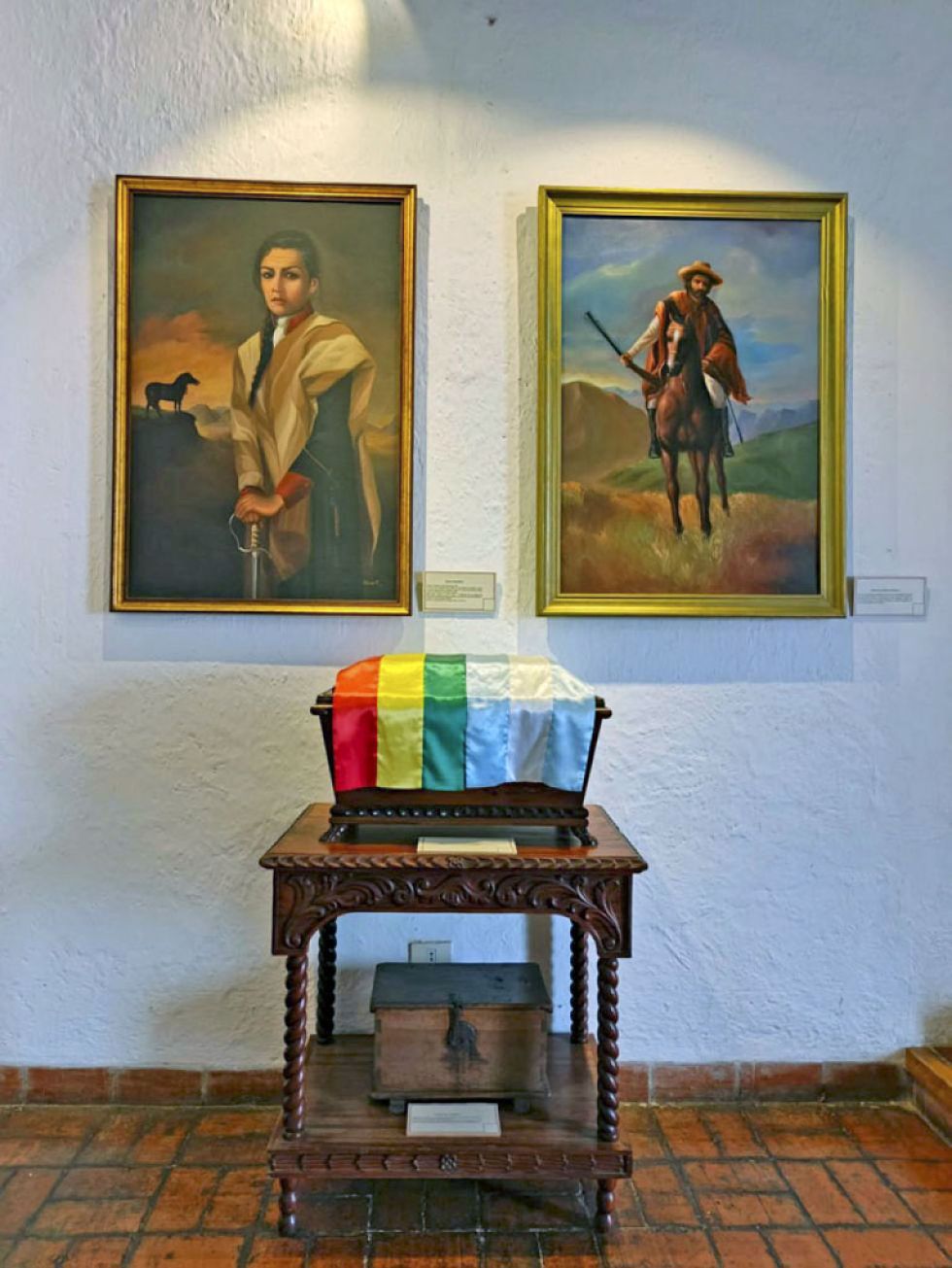
May 25 is also the date of the death of Juana, the guerrilla of the Americas.
May 2025 is coming to an end, but we cannot remain indifferent to two historical events of a biographical nature that for many years have been cloaked in oblivion and neglect by the authorities.
Today is a fitting occasion to reclaim those dates, which are recorded in the parish archives of the ecclesiastical jurisdictions of the Archdiocese of La Plata and date back to the 18th and 19th centuries.
We recall testimonies of the patriot Manuel Ascencio Padilla and the heroine Juana Azurduy de Padilla referring to the marriage of these guerrilla fighters, recorded in the parish of San Miguel de Muru Muru (today, Ravelo) on May 19, 1799, while the horsewoman passed away in the city of Sucre on May 25, 1862.
The departments of Potosí and Chuquisaca should have an updated historical calendar to commemorate these and other events, so they can be disseminated, since in 73 days we will be commemorating the Bicentennial of the birth of the Republic of Bolivia—that is, the glorious date of August 6, 1825, a remarkable event that took place in Sucre.
It is worth recalling that 26 years ago, when the bicentennial of the religious marriage of Padilla and Azurduy (May 19, 1799–1999) was commemorated, at that time, the full member of the Geographic and Historical Society of Sucre, priest Valentín Manzano Castro, proposed holding a solemn tribute in Sucre and in the parish of San Miguel de Moro Moro (today, Ravelo) to highlight the importance of this religious event. Unfortunately, it did not receive the necessary support.
In contrast, when the first centenary of the heroine’s death (May 25, 1862–1962) was commemorated, it was different. On the contrary, biographical works were published, especially in magazines, bulletins, newspapers, and literary supplements of the national press.
THEY MUST BE PERPETUATED
Two momentous events in the life of Juana Azurduy are remembered each May: her marriage, blessed on May 19, 1799, by Licenciado Don Cristóbal Salguero, curate lieutenant and vicar of the Benefice of San Miguel de Moro Moro, and 63 years after marrying Manuel Asencio Padilla Gallardo, her death, which occurred in Sucre on May 25, 1862. The funeral Mass was celebrated by the parish priest of San Sebastián, Bernardo Campero.
Last Monday the 19th and today, Sunday, May 25, we commemorate the 226th (CCXXVI) anniversary of their wedding and the 163rd (CLXIII) anniversary of her death.
In this way, the History Program of the Faculty of Law, Political, and Social Sciences of the University of San Francisco Xavier of Chuquisaca redeems the glorious memory of Juana Azurduy de Padilla, ‘symbol woman, omen woman, mother woman, glory woman, hope woman, paradigm woman; in short, the one chosen by Glory,’ and the distinguished leader Manuel Asencio Padilla, both key figures in the epic struggle for emancipation in Charcas.
GUARDIAN ARCHIVES
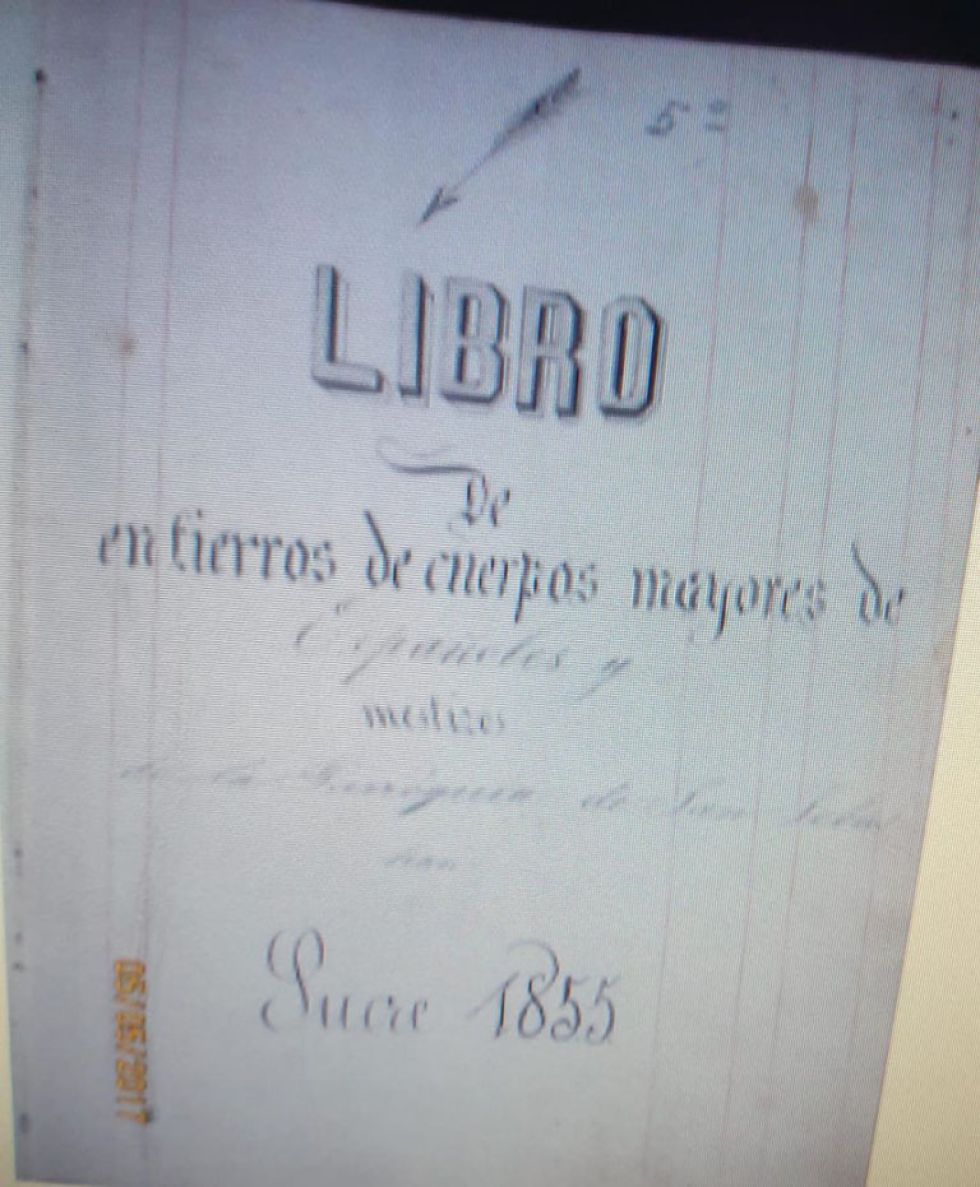
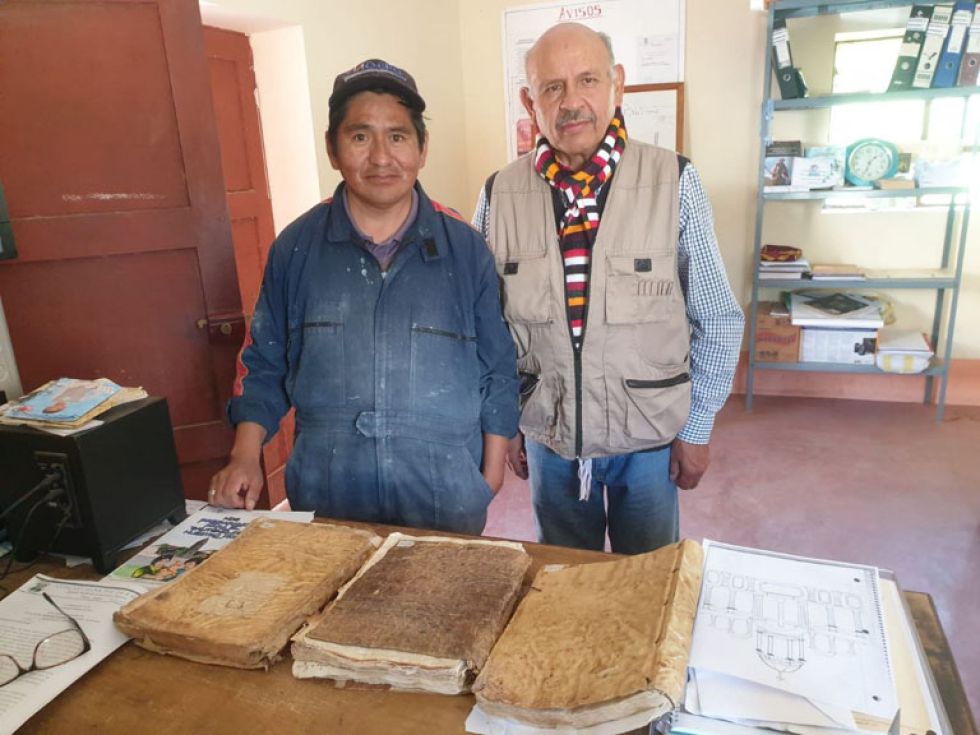
Researchers are notably present in various repositories that have safeguarded documentary memory from the late 16th to the 20th century. In the country’s capital, experienced researchers visit the National Archives and Library of Bolivia, the Archives and Library of the Geographic and Historical Society of Sucre (under the care of the Casa de la Libertad), the Archdiocesan Archives-Library Monsignor Miguel de los Santos Taborga, and the Historical Documentary Bibliographic Center of the University of San Francisco Xavier.
In a piece published in the now-defunct Catholic newspaper Presencia (La Paz, July 12, 1980), historian and professor at the Universidad Mayor de San Andrés, Teodosio Imaña Castro, referring to the investigation of documentary resources in Bolivian and foreign archives and the War of Independence, stated:
“(…) The history of the sixteen years of struggle led by all those paradigms of heroism is yet to be written. Our Bolivian history textbooks are mostly insufficient and overly generalizing, and lack rigorous scholarly support. There will come a day, we hope, when, once repositories of sources are properly ordered and systematized, the brilliant History of our War of Independence will emerge, backed by scientific rigor (…).”
The Hall of Honor at the Rectorate of the University of San Francisco Xavier, appropriately, bears the name of the distinguished horsewoman of the Americas, Juana Azurduy de Padilla, in recognition of her outstanding role during the War of Independence.
Both Sucre and other cities have honored the names of the leader and the horsewoman by naming streets, plazas, squares, and educational institutions after them.
MARRIAGE RECORD
Manuel Asencio Padilla and Juana Azurduy
Parish of San Miguel de Moro Moro, today RaveloIn the margin:
Asencio Padilla.
Spaniard.
Married and blessed
With Juana AzurduyIn the year of our Lord one thousand seven hundred ninety-nine, on the nineteenth of May, having published the three banns on three feast days, namely: the first on Sunday the eighth, the second on the thirteenth, and the third on the day of Saint Isidore the Laborer, and with the required freedom confirmed by three witnesses—Don Patricio Plaza, Don Leandro Saavedra, and Don Manuel Churrugurín, Spaniards from this town and of age—and with no impediments having arisen, I, Licenciado Don Cristóbal Salguero, Curate Lieutenant and Vicar of this Benefice of San Miguel de Moro Moro, solemnly joined in marriage by present words, after mutual consent was expressed, Don Asencio Padilla, Spaniard, single, native of this Doctrina, legitimate son of Don Melchor Padilla and Doña Eugenia Gallardo, with Doña Juana Azurduy, Spaniard, single, native of this city of La Plata, legitimate daughter of Don Isidro Azurduy and Doña Juliana Llanos. Witnesses to this marriage were Don Vicente Camargo and his wife Doña Nicolasa Acosta. And I blessed them during the celebration of Mass according to the rite of our Holy Mother Church. And for the record, I sign…
DEATH RECORD
Juana Azurduy
Parish of San Sebastián – Sucre
In the margin:
Juana Azurduy de Padilla
Fca. 1 ps
In the year of our Lord one thousand eight hundred sixty-two, on the twenty-fifth of May, died in her home and with the Communion of Our Holy Mother Church, from swelling, Doña Juana Azurduy de Padilla, over eighty years of age, widow of Colonel Padilla, resident of this Parish. Before dying, she received all the necessary holy sacraments and, after the rites were prayed with a low cross, she was buried in the General Cemetery of this city. Burial fee of one peso. For the record, I sign. Bernardo Campero.
DATES TO BE REMEMBERED
It is very important to commemorate the birth, baptism, marriage, and death of the Padilla-Azurduy couple—statistical data drawn from the records of documents found in each parish book, recorded and glossed by a priest, whether in an urban or rural parish.
The dates in this chart should be taken into account by the authorities:
MANUEL ASENCIO PADILLA GALLARDO
Birth: Chipirina, Ravelo, 28-IX-1774 (251 years remembered)
Baptism: Muru Muru, Ravelo, 28-IX-1775 (250 years remembered)
Marriage: Muru Muru, Ravelo, 19-V-1799 (226 years remembered)
Death: El Villar, 14-IX-1816 (209 years remembered)JUANA AZURDUY LLANOS
Birth: La Plata, 26-I-1780 (245 years remembered)
Baptism: Tarabuco, 26-III-1780 (245 years remembered)
Marriage: Muru Muru, Ravelo, 19-III-1799 (226 years remembered)
Death: Sucre, 25-V-1862 (163 years remembered)
(*) Guillermo Calvo A. is a professor in the History Program at the University of San Francisco Xavier of Chuquisaca.
Por JORGE GUILLERMO CALVO AYAVIRI (*), Correo del Sur:
El 25 de mayo también es la fecha de fallecimiento de Juana, la guerrillera de América.
Ya llega a su fin el mes de mayo de 2025, pero no podemos quedar indiferentes a dos hechos históricos de índole biográfico, que durante muchos años han estado cubiertos por el manto del olvido y la indiferencia de las autoridades.
Hoy es una ocasión propicia para reinvindicar dichas fechas, que se encuentran registradas en los archivos parroquiales de las jurisdicciones eclesiásticas del Arzobispado de La Plata y cuya data corresponden a los siglos XVIII y XIX.
Recordamos testimonios del patriota Manuel Ascencio Padilla y de la heroína Juana Azurduy de Padilla que se refieren al matrimonio de estos guerrilleros, registrado en la parroquia de San Miguel de Muru Muru (hoy, Ravelo) el 19 de mayo de 1799, mientras que la amazona falleció en la ciudad de Sucre el 25 de mayo de 1862.
Los departamentos de Potosí y Chuquisaca deberian tener actualizado un calendario histórico para evocar estos y otros acontecimientos, de manera que sean difundidos, ya que en 73 días más rememoraremos el Bicentenario del nacimiento de la República de Bolivia, es decir, la gloriosa fecha del 6 de agosto de 1825, notable acontecimiento que tuvo lugar en Sucre.
Es preciso recordar que hace 26 años, cuando se conmemoró el bicentenario del matrimonio religioso de Padilla y Azurduy (19-V-1799-1999), en aquella época el socio de número de la Sociedad Geográfica y de Historia Sucre, presbítero Valentín Manzano Castro, propuso realizar un solemne homenaje, en Sucre y en la parroquia de San Miguel de Moro Moro (hoy, Ravelo) para resaltar la importancia de este acontecimiento religioso. Lamentablemente, no contó con el respaldo respectivo.
En cambio, cuando se recordó el primer centenario del fallecimiento de la heroína (25-V-1862-1962), no ocurrió lo mismo. Al contrario, se publicaron trabajos de índole biográfico, especialmente en revistas, boletines, periódicos y suplementos literarios de la prensa nacional.
DEBEN SER PERPETUADAS
En la vida de Juana Azurduy se recuerdan dos hechos trascendentales cada mes de mayo: su matrimonio, bendecido el 19 de mayo de 1799 por el Licenciado Don Cristóbal Salguero, teniente de Cura y vicario del Beneficio de San Miguel de Moro Moro, y 63 años después de contraer nupcias con Manuel Asencio Padilla Gallardo, su fallecimiento acaecido en Sucre el 25 de mayo de 1862, cuya misa de cuerpo presente fue celebrada por el párroco de San Sebastián Bernardo Campero.
El pasado lunes 19 y hoy, domingo 25 de mayo, recordamos el bicentésimo vigésimo sexto (CCXXVI) aniversario de la celebración de su matrimonio y el centésimo sexagésimo tercero (CLXIII) de su fallecimiento.
De esta manera, la Carrera de Historia de la Facultad de Derecho, Ciencias Políticas y Sociales de la Universidad San Francisco Xavier de Chuquisaca redime la gloriosa memoria de Juana Azurduy de Padilla, ‘mujer símbolo, mujer presagio, mujer madre, mujer gloria, mujer esperanza, mujer paradigma; en suma, la elegida de la Gloria’ y del egregio caudillo Manuel Asencio Padilla, ambos actores de la epopeya emancipadora en Charcas.
ARCHIVOS CUSTODIOS
Es notoria la presencia de investigadores en distintos repositorios que custodian la memoria documental desde fines del siglo XVI hasta el XX. En la capital del país, tanto al Archivo y Biblioteca Nacionales de Bolivia, al Archivo y Biblioteca de la Sociedad Geográfica y de Historia Sucre (bajo la tuición de la Casa de la Libertad), al Archivo-Biblioteca Arquidiocesanos Monseñor Miguel de los Santos Taborga y al Centro Bibliográfico Documental Histórico de la Universidad de San Francisco Xavier llegan investigadores con gran experiencia.
En una noticia publicada en el desaparecido periódico católico Presencia (La Paz, 12-VII-1980), el historiador y catedrático de la Universidad Mayor de San Andrés Teodosio Imaña Castro, sobre la indagación de los recursos documentales en archivos bolivianos y del exterior y la Guerra de la Independencia anunció:
“(…) La historia de los diez y seis años de lucha que protagonizaron todos esos paradigmas de heroísmo está aún por escribirse. Nuestros textos de Historia de Bolivia son en su mayor parte insuficientes y generalizadores, y padecen de apoyo general riguroso. Día habrá, esperemos, en que, una vez que se ordenen y sistematicen los repositorios de fuentes, aparecerá la rutilante Historia de nuestra guerra de independencia, con el sostén de rigor científico (…)”.
El Salón de Honor del Rectorado de la Universidad San Francisco Xavier, con buen criterio, lleva el nombre de la insigne amazona de América Juana Azurduy de Padilla, en reconocimiento a su descollante actividad durante la Guerra de la Independencia.
Tanto Sucre como otras ciudades han perpetuado el nombre con el nombre del caudillo y la amazona en calles, plazas, plazuelas y establecimientos educativos.
PARTIDA DEL MATRIMONIO
Manuel Asencio Padilla y Juana Azurduy
Parroquia de San Miguel de Moro Moro, hoy Ravelo
“Al margen:
Asencio Padilla.
Español.
Casado y velado
Con Juana Azurduy
En el año del Señor de mil setecientos noventa y nueve, en diez y nueve de mayo, habiéndose publicado las tres proclamas o moniciones en tres días festivos, a saber: la primera el día ocho Domingo, la segunda el día trece y la tercera el día de San Isidro Labrador, y haber precedido la información de libertad, con tres testigos que lo fueron Don Patricio Plaza, Don Leandro Saavedra y Don Manuel Churrugurín, españoles de este pueblo, y mayores de edad, y no habiendo resultado impedimento alguno de ella. Yo el Licenciado Don Cristóbal Salguero, Teniente de Cura y Vicario de este Beneficio de San Miguel de Moro Moro, casé y uní solemnemente en el matrimonio por palabras de presente, habiendo los antes expresados mutuamente su consentimiento Don Asencio Padilla, español, soltero, natural de esta Doctrina, hijo legítimo de Don Melchor Padilla y de Doña Eugenia Gallardo, con Doña Juana Azurduy, española, soltera, natural de esta ciudad de La Plata, hija legítima de Don Isidro Azurduy y de Doña Juliana Llanos, Asistieron al dicho matrimonio como testigos Don Vicente Camargo y su mujer Doña Nicolasa Acosta. Y los bendije en la celebración de la misa según el rito de nuestra Madre la Santa Iglesia. Y para que conste lo firme…”.
PARTIDA DE DEFUNCIÓN
Juana Azurduy
Parroquia de San Sebastián – Sucre
Al margen
Juana Azurduy de Padilla
Fca. 1 ps
En el año del Señor de mil ochocientos sesenta y dos a veinti cinco de mayo, murió en su casa y con la Comunión de Nuestra Santa Madre la Iglesia, con hinchazón, doña Juana Azurduy de Padilla, mayor de ochenta años, viuda del Coronel Padilla, vecina de esta Parroquia. Para morir recibió todos los Santos sacramentos necesarios y después de rezado sus oficios con cruz baja se sepultó en el Panteón General de esta ciudad. En fábrica de un peso. Para que conste lo firmé. Bernardo Campero”.
FECHAS A SER RECORDADAS
Es muy importante conmemorar el nacimiento, bautizo, matrimonio y defunción de los esposos Padilla-Azurduy, datos estadísticos elaborados sobre la base de documentos de las partidas que han sido asentadas y glosadas en cada libro parroquial efectuado, a su vez, por un sacerdote, ya sea en su parroquia urbana o rural.
Las fechas que indican este cuadro deberían ser tomadas en cuenta por las autoridades:
MANUEL ASENCIO PADILLA GALLARDO
Nacimiento
Chipirina, Ravelo, 28-IX-1774
Se recuerdan 251 años
Bautizo
Muru Muru, Ravelo, 28-IX-1775
Se recuerdan 250 años
Matrimonio
Muru Muru, Ravelo, 19-V-1799
Se recuerdan 226 años
Defunción
El Villar, 14-IX-1816
Se recuerdan 209 años
JUANA AZURDUY LLANOS
Nacimiento
La Plata, 26-I-1780
Se recuerdan 245 años
Bautizo
Tarabuco, 26-III-1780
Se recuerdan 245 años
Matrimonio
Muru Muru, Ravelo, 19-III-1799
Se recuerdan 226 años
Defunción
Sucre, 25-V-1862
Se recuerdan 163 años
(*) Guillermo Calvo A. es docente de la carrera de Historia de la Universidad San Francisco Xavier de Chuquisaca.
https://correodelsur.com/ecos/20250525/los-esposos-padilla-azurduy.html

 Bolivian Thoughts | Pensamientos Bolivianos (Bilingual/Bilingüe)