
By Noelia Molina, ANA; Erbol:
BENI AND PANDO: PRODUCING REGIONS
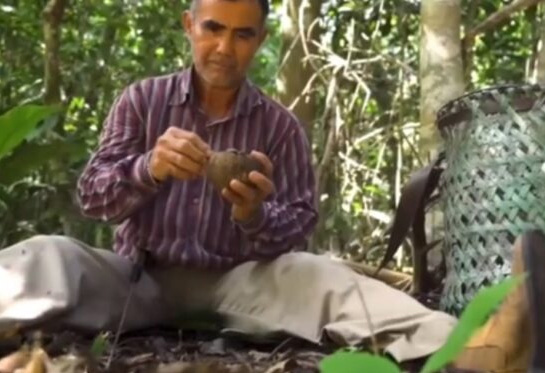
Illustrative image
Since the 1990s, Bolivia has established itself as the world’s leading exporter of Brazil nuts, thanks to private investment in certification laboratories and the integration of its product into international markets such as Europe and the United States. Currently, the harvesting of this Amazonian nut depends on the preservation of 87,000 square kilometers (km²) of forests.
However, this growth raises questions about its impact on the conservation of the Amazon ecosystem and the quality of life of local communities.
Growth in Exports
According to data from the National Institute of Statistics (INE), Brazil nut exports experienced a remarkable increase, reaching $175.8 million between January and November 2024, representing a 69% rise compared to the $104.2 million recorded during the same period the previous year. This growth is attributed to increased production and higher international demand for this Amazonian product.
The regions of Beni and Pando stand out as pillars of the Bolivian economy due to their Brazil nut production and exports. This sector not only generates foreign revenue and employment for thousands of families but also promotes the conservation of tropical forests through sustainable practices. The high quality of Bolivian Brazil nuts, internationally recognized, positions them as the third most important non-traditional export product in the country, solidifying Bolivia as a global leader in this market.
Brazil Nuts and Forest Conservation
Brazil nut harvesting in Bolivia is directly linked to the preservation of 87,000 km² of Amazonian forest, representing between 6% and 7% of the country’s total area. This model of sustainable use has allowed large forest areas to remain intact, benefiting both biodiversity and local communities, which are primarily composed of campesinos and Indigenous peoples. Additionally, preserving these forests contributes to carbon sequestration, a key factor in mitigating climate change.
To assess the ecosystem’s health, biodiversity monitoring systems have been implemented in protected areas of the Pando department. Using camera traps and acoustic sensors, the presence of key species such as the jaguar has been confirmed, indicating a healthy ecosystem. “We need to incorporate technology to verify that these forests remain healthy through Brazil nut harvesting,” says Daniel Larrea, director of the Amazonian Conservation Science and Technology Program (ACEAA).
Impact on Local Communities
For communities in the Amazon region, Brazil nuts account for between 50% and 60% of their annual income. However, the commercialization system presents inequalities. While processing companies in Riberalta and Cobija earn high profits, harvesters rely on intermediaries who purchase the raw material at fluctuating prices.
“There are asymmetries in the distribution of benefits, and although Brazil nuts continue to sustain the local economy, much work remains to be done to ensure fairer commercialization,” Larrea points out.

Brazil nuts are harvested directly from the Amazon rainforest and are an essential part of the diet and economies of local communities.
Challenges and Strategies for the Future
Despite its growth, the Brazil nut industry in Bolivia faces challenges in ensuring its sustainability. One key issue is the management of resource use, as communities continue to grow and new generations require access to productive areas.
Currently, land ownership in Pando is managed communally, with family plots ranging from 300 to 500 hectares. This system has allowed for internal regulation of harvesting, but its stability remains fragile due to the expansion of other productive activities, such as açaí harvesting.
To strengthen the industry’s sustainability, Larrea emphasizes the need for public policies that regulate access and benefit distribution, as well as the promotion of certification and traceability mechanisms to ensure that Bolivian Brazil nuts remain synonymous with quality and sustainability in international markets.
Balancing economic growth with conservation remains a challenge, but with the right strategies, Bolivia could consolidate a resource management model that protects its forests while improving the livelihoods of those who depend on them.
ANA
Por Noelia Molina, ANA; Erbol:
BENI Y PANDO REGIONES PRODUCTORAS
Imagen ilustrativa
Bolivia se ha consolidado como el primer exportador mundial de castaña desde los años 90´, gracias a la inversión privada en laboratorios de certificación y a la inserción de su producto en mercados internacionales como Europa y Estados Unidos. Actualmente la recolección de este fruto amazónico depende de la preservación de 87.000 kilómetros cuadrados (km²) de bosques.
Sin embargo, este crecimiento plantea interrogantes sobre su impacto en la conservación del ecosistema amazónico y en la calidad de vida de las comunidades locales.
Crecimiento en las exportaciones
Según datos del Instituto Nacional de Estadística (INE), las exportaciones de castaña experimentaron un notable incremento alcanzando los 175,8 millones de dólares entre enero y noviembre de 2024, lo que representa un aumento del 69% en comparación con los 104,2 millones de dólares registrados en el mismo periodo del año anterior. Este crecimiento se atribuye a un aumento en la producción y a una mayor demanda internacional de este producto amazónico.
Las regiones de Beni y Pando destacan como pilares de la economía boliviana gracias a su producción y exportación de castaña. Este sector no solo genera divisas y empleo para millas de familias, sino que también promueve la conservación de los bosques tropicales mediante prácticas sostenibles. La alta calidad de la castaña boliviana, reconocida internacionalmente, la posición como el tercer rubro más importante en las exportaciones no tradicionales del país, consolidan a Bolivia como líder global en este mercado.
Castaña y conservación del bosque
La recolección de castaña en Bolivia está directamente relacionada con la preservación de 87,000 km² de bosque amazónico, lo que representa entre el 6 y el 7% de la superficie del país. Este modelo de aprovechamiento sostenible ha permitido mantener en pie grandes extensiones de bosque, beneficiando tanto a la biodiversidad como a las comunidades locales, compuestas principalmente por campesinos e indígenas. Además, la conservación de estos bosques contribuye a la retención de carbono, un factor clave en la mitigación del cambio climático.
Para evaluar la salud del ecosistema, se han implementado sistemas de monitoreo de biodiversidad en las áreas protegidas del departamento de Pando. A través de cámaras trampa y sensores acústicos, se ha confirmado la presencia de especies clave como el jaguar, lo que indica un ecosistema saludable. «Necesitamos incorporar tecnología para verificar que estos bosques se mantienen saludables a partir del aprovechamiento de la castaña», señala Daniel Larrea, director del Programa de Ciencia y Tecnología de Conservación Amazónica-ACEAA.
Impacto en las comunidades locales
Para las comunidades de la región amazónica, la castaña representa entre el 50 y el 60% de sus ingresos anuales. Sin embargo, el sistema de comercialización presenta desigualdades. Mientras las empresas beneficiadoras en Riberalta y Cobija obtienen altas ganancias, los recolectores dependen de intermediarios que compran la materia prima a precios variables.
«Existen asimetrías en la distribución de beneficios, y aunque la castaña sigue sosteniendo la economía local, hay mucho por trabajar en la equidad de su comercialización», apunta Larrea.
La castaña es recolectada del mismo bosque amazónico y forma parte de la alimentación y economías de las comunidades
Retos y estrategias para el futuro
A pesar de su crecimiento, la industria de la castaña en Bolivia enfrenta desafíos para garantizar su sostenibilidad. Uno de ellos es el ordenamiento del aprovechamiento del recurso, dado que las comunidades están en constante crecimiento y nuevas generaciones requieren acceso a áreas productivas.
Actualmente, la propiedad de la tierra en Pando se gestiona a nivel comunal, con parcelas familiares de entre 300 y 500 hectáreas. Este sistema ha permitido una regulación interna del aprovechamiento, pero su estabilidad es frágil ante la expansión de otras actividades productivas, como la cosecha de asaí.
Para fortalecer la sostenibilidad de la industria, Larrea enfatiza la necesidad de establecer políticas públicas que regulen el acceso y la distribución de beneficios, así como el impulso de mecanismos de certificación y trazabilidad que garanticen que la castaña boliviana continúa siendo sinónimo de calidad y sostenibilidad ante el mercado internacional.
El equilibrio entre economía y conservación sigue siendo un desafío, pero con estrategias adecuadas, Bolivia podría consolidar un modelo de aprovechamiento que proteja sus bosques y mejore las condiciones de vida de quienes dependen de ellos.
ANA

 Bolivian Thoughts | Pensamientos Bolivianos (Bilingual/Bilingüe)