
By Vision 360:
More and more Bolivians are using electronic payment methods, with QR codes being the favorite, growing by more than 4,700%, according to the BCB.
The application of a formula that combines technology with the development and adoption of innovations for electronic payment instruments and channels allows the national financial system and its users to more easily embrace the transformation demanded by the digital era.
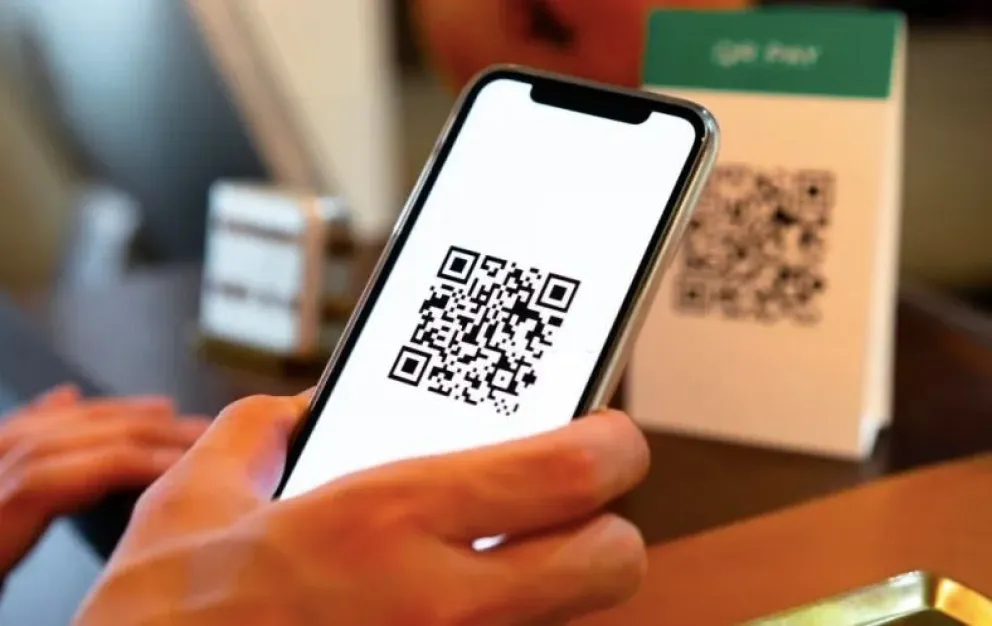
Paying with QR. Photo: ABI
In less than three years, the use of QR codes for payments and transfers grew by 4,700%, reported the Central Bank of Bolivia (BCB) this Friday. Increasingly, more people are using this system and other electronic instruments.
“In 2021, financial system users conducted six million transactions through this code. By October 2024, the figure skyrocketed to 290 million, marking a historic growth of 4,733%,” stated an institutional bulletin from the issuing entity.
The use of electronic payment instruments is gaining ground in the country. By October of this year, the system enabling quick and secure money transfers without cash achieved highly positive results.
The implementation of a formula combining technology with the development and adoption of innovations for electronic payment instruments and channels allows the national financial system and its users to more easily adapt to the transformation demanded by the digital era.
Thus, the 94 million Electronic Fund Transfer Orders (OETF) processed in 2021 grew to 407 million by October 2024, representing a 333% increase in less than three years.
The significance of these numbers lies in the accessibility of these operations, as they are used in everyday transactions such as transfers and payments at stores, utility bill payments (drinking water, electricity, residential gas, telephone services, among others), and online shopping, among the most relevant.
The widespread use of these technological advancements in the national financial system represents a qualitative improvement that placed the country at the forefront of innovations like interoperability, many years ahead of when this mechanism was applied in the region.
A Regulated System
In this process, the issuing entity ensures the use of common, compatible, and universal standards for the entire financial system, facilitating transactions, establishing free electronic transfers up to Bs 50,000, enabling electronic channels in non-banking financial entities, ensuring interoperability (allowing users to process transfers between mobile wallet accounts across different financial entities and payments with QR codes and mobile wallets at payment points), and unrestricted availability around the clock.
These measures have facilitated seamless payments and collections and, most importantly, generated trust among users, making them essential tools in their daily lives.
Por Vision 360:
Cada vez más bolivianos utilizan medios electrónicos de pago; el favorito es el QR que creció en más de 4.700%, según el BCB
La aplicación de una fórmula que combina la tecnología con el desarrollo y la adopción de innovaciones para los instrumentos y canales electrónicos de pago, permite que el sistema financiero nacional y sus usuarios se embarquen con mayor facilidad a la transformación que exige la era digital.
Pago por QR. Foto: ABI
En menos de tres años, el uso del QR para realizar pagos y transferencias creció en 4.700%, informó este viernes el Banco Central de Bolivia (BCB). Cada vez son más las personas que recurren a este sistema y a otros instrumentos electrónicos.
“En 2021, los usuarios del sistema financiero realizaron seis millones de transacciones a través de este código. A octubre de 2024, la cifra escaló a 290 millones con un crecimiento histórico del 4.733%”, señala un boletín institucional del ente emisor.
El uso de instrumentos electrónicos de pago gana terreno en el país. Hasta octubre pasado, el sistema que permite realizar transferencias de dinero rápidas y seguras sin necesidad de efectivo, logró resultados altamente positivos.
La aplicación de una fórmula que combina la tecnología con el desarrollo y la adopción de innovaciones para los instrumentos y canales electrónicos de pago, permite que el sistema financiero nacional y sus usuarios se embarquen con mayor facilidad a la transformación que exige la era digital.
De esa manera, los 94 millones de Órdenes Electrónicas de Transferencia de Fondos (OETF) que se procesaron en 2021, se convirtieron en 407 millones a octubre de 2024 lo que representa un crecimiento del 333% en menos de tres años.
La relevancia de estos números es que las operaciones se hicieron más accesibles ya que se utilizan en transacciones cotidianas como las transferencias y pagos en comercios, la cancelación de servicios básicos (agua potable, electricidad, gas domiciliario, telefonía, entre otros) y las compras por internet, entre las más relevantes.
El uso masivo de estos avances tecnológicos en el sistema financiero nacional representa una mejora cualitativa que situó al país a la vanguardia con innovaciones, como la interoperabilidad, muchos años antes de que este mecanismo se aplique en la región.
Un sistema regulado
En este proceso, el ente emisor garantiza el uso de estándares comunes, compatibles y universales para todo el sistema financiero, facilitando las transacciones, estableciendo la gratuidad de transferencias electrónicas hasta Bs 50 mil, la habilitación de canales electrónicos en entidades financieras no bancarias, la interoperabilidad (que permite a los usuarios procesar transferencias entre cuentas de billetera móvil entre diferentes entidades financieras y pagos con QR y billetera móvil en puntos de pago) y la disponibilidad sin restricción de horario.
Estas acciones posibilitaron la fluidez de pagos y cobros y, lo más importante, generaron confianza entre los usuarios hasta convertirlas en herramientas indispensables en su día a día.

 Bolivian Thoughts | Pensamientos Bolivianos (Bilingual/Bilingüe)