
Karen Lapizco, World Animal News:
10 Million Hectares Of Amazon Rainforest Has Been Designated As A Protected Area In Bolivia
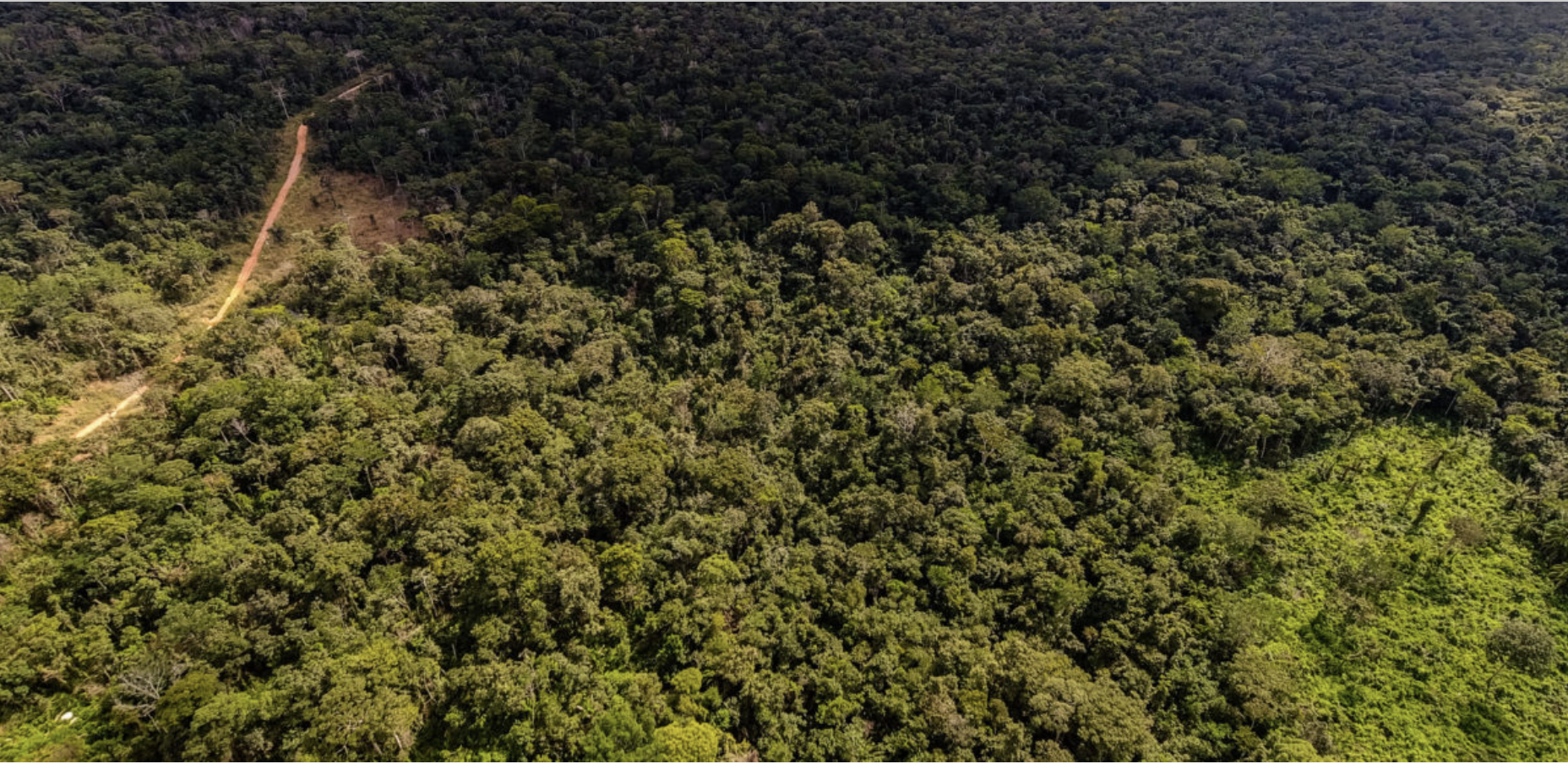
A new protected area of rainforest in the El Gran Manupare Integrated Management Natural Area was just designated by the Municipality of Sena, in Pando, Bolivia. This vast rainforest safeguards many threatened and endangered species, as well as 9.2 million tons of irrecoverable carbon.
The protected area covers 452,639 hectares, representing almost 8% of Pando’s rainforests and has significantly increased the region’s conservation coverage to 26%.
With more than 6 million hectares of Amazonian Forest, Pando is home to the largest proportion of well-preserved Amazonian Forest in the country and its municipalities have set the goal of building a green, sustainable, and resilient region. The establishment of El Gran Manupare aligns with this goal and received support from Conservation International-Bolivia and the Association of Municipalities of Pando (AMDEPANDO).
Jaime Aguirre, Mayor of the Municipality of Sena stated, “As a municipality, as peasant and Indigenous communities, we consider it important to conserve our forests for future generations, safeguard our territory, and contribute to the sustainability of our projects. It is important to conserve Pando.”
In addition, the newly protected area links Manuripi National Amazon Wildlife Reserve in Pando and the Municipal Area of Conservation and Management of Bajo Madidi, recently created with the support of Conservation International, consolidating a 10 million-hectare conservation mosaic in the Bolivian Amazon. This connectivity allows the population flow of numerous species and plays a significant ecological role in the structure and functioning of the Amazon Forest.
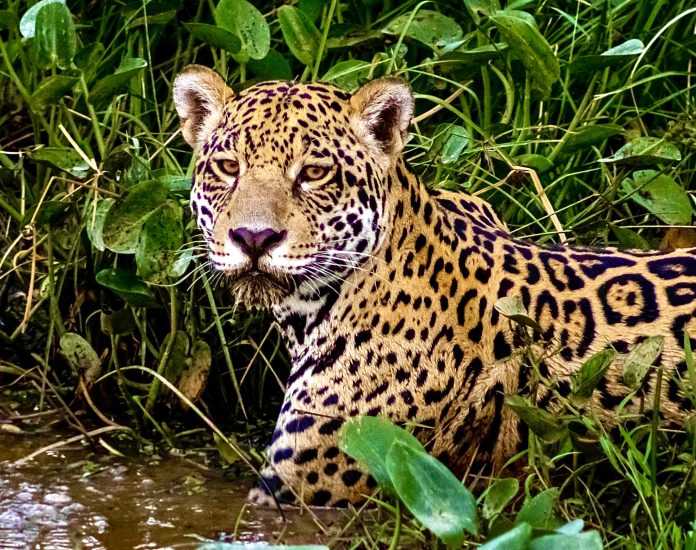
The rich biodiversity of this new area is highlighted by the presence of the giant otter and the big-leave mahogany, both endangered species according to the IUCN. Enhancing its ecological significance are healthy populations of animals, such as jaguars, the white-lipped peccary, and the lowland tapir, and several vulnerable species, such as the blue-headed macaw and the giant armadillo.
“It’s an incredible conservation story that began in the 1990s with the creation of the Madidi National Park and has continued over the years. It’s a combination of having a clear objective and consistently seeking opportunities to add new pieces to the puzzle. Protected and conserved areas remain one of the most important tools for conservation, with enormous potential to guard against loss of wildlife and stave off the worst consequences of climate change,” said Eduardo Forno, vice president of Conservation International-Bolivia.
The initiative carried out by the Municipal Government of El Sena, backed by Conservation International-Bolivia, represents a significant milestone in the worldwide efforts to protect biodiversity and environmental sustainability. Financially, the initiative is supported by the project ‘Our Future Forests – Vital Reserves’ in partnership with the French Ministry of Economics and Finance, and the French Facility for Global Environment (FFEM), the Embassy of Sweden, and the Andes Amazon Fund.
Diez millones de hectáreas de selva amazónica han sido designadas como área protegida en Bolivia.
Una nueva área protegida de selva tropical en el Área Natural de Gestión Integrada El Gran Manupare fue recientemente designada por el Municipio de Sena, en Pando, Bolivia. Esta vasta selva tropical resguarda muchas especies amenazadas y en peligro de extinción, así como 9.2 millones de toneladas de carbono irrecuperable.
El área protegida abarca 452,639 hectáreas, representando casi el 8% de las selvas tropicales de Pando y ha aumentado significativamente la cobertura de conservación de la región al 26%.
Con más de 6 millones de hectáreas de selva amazónica, Pando alberga la mayor proporción de selva amazónica bien conservada en el país y sus municipios han fijado el objetivo de construir una región verde, sostenible y resiliente. El establecimiento de El Gran Manupare se alinea con este objetivo y recibió el apoyo de Conservación Internacional-Bolivia y la Asociación de Municipios de Pando (AMDEPANDO).
Jaime Aguirre, Alcalde del Municipio de Sena, declaró: “Como municipio, como comunidades campesinas e indígenas, consideramos importante conservar nuestros bosques para las futuras generaciones, proteger nuestro territorio y contribuir a la sostenibilidad de nuestros proyectos. Es importante conservar Pando”.
Además, el área recién protegida enlaza la Reserva Nacional de Vida Silvestre Amazónica Manuripi en Pando y el Área Municipal de Conservación y Gestión de Bajo Madidi, recientemente creada con el apoyo de Conservación Internacional, consolidando un mosaico de conservación de 10 millones de hectáreas en la Amazonía boliviana. Esta conectividad permite el flujo poblacional de numerosas especies y desempeña un papel ecológico significativo en la estructura y funcionamiento del Bosque Amazónico.
La rica biodiversidad de esta nueva área se destaca por la presencia del lobo de río gigante y el caoba de hoja grande, ambas especies en peligro de extinción según la UICN. Mejorando su importancia ecológica, hay poblaciones saludables de animales como jaguares, pecaríes de labios blancos y tapires de tierras bajas, y varias especies vulnerables como la guacamaya de cabeza azul y el armadillo gigante.
“Es una increíble historia de conservación que comenzó en la década de 1990 con la creación del Parque Nacional Madidi y ha continuado a lo largo de los años. Es una combinación de tener un objetivo claro y buscar constantemente oportunidades para agregar nuevas piezas al rompecabezas. Las áreas protegidas y conservadas siguen siendo una de las herramientas más importantes para la conservación, con un enorme potencial para proteger contra la pérdida de vida silvestre y evitar las peores consecuencias del cambio climático”, dijo Eduardo Forno, vicepresidente de Conservación Internacional-Bolivia.
La iniciativa llevada a cabo por el Gobierno Municipal de El Sena, respaldada por Conservación Internacional-Bolivia, representa un hito significativo en los esfuerzos mundiales para proteger la biodiversidad y la sostenibilidad ambiental. Financieramente, la iniciativa cuenta con el apoyo del proyecto “Nuestros Bosques Futuros – Reservas Vitales”, en asociación con el Ministerio de Economía y Finanzas de Francia y el Fondo Francés para el Medio Ambiente Global (FFEM), la Embajada de Suecia y el Fondo Amazonía Andes.

 Bolivian Thoughts | Pensamientos Bolivianos (Bilingual/Bilingüe)