
Gastón Solares, Correo del Sur:
Sucre, according to National Geographic
This note is so important that it is transcribed literally with the hope that readers and, especially, the authorities linked to the city’s heritage, will take the time to read it and act accordingly, precisely at this moment in which the reaction general against non-standard constructions has grown in such a way that it has to end in effective action to prevent the loss not only of the patrimonial title, but of the patrimony itself, which would be an aberration because the strength it has would be lost, to generate the economic resources from tourism that people need to live.
On September 26, 2023, National Geographic selected three Latin American cities, including Sucre, considering them “the most historic in the world”, included by UNESCO in the “World Heritage List”.
The three chosen destinations are Sucre, Bolivia; Lima Peru; and Colonia del Sacramento, Uruguay, which were identified, according to National Geographic, “for being recognized as an outstanding example of a type of building, architectural or technological ensemble or landscape that illustrates a significant stage in the history of humanity.”
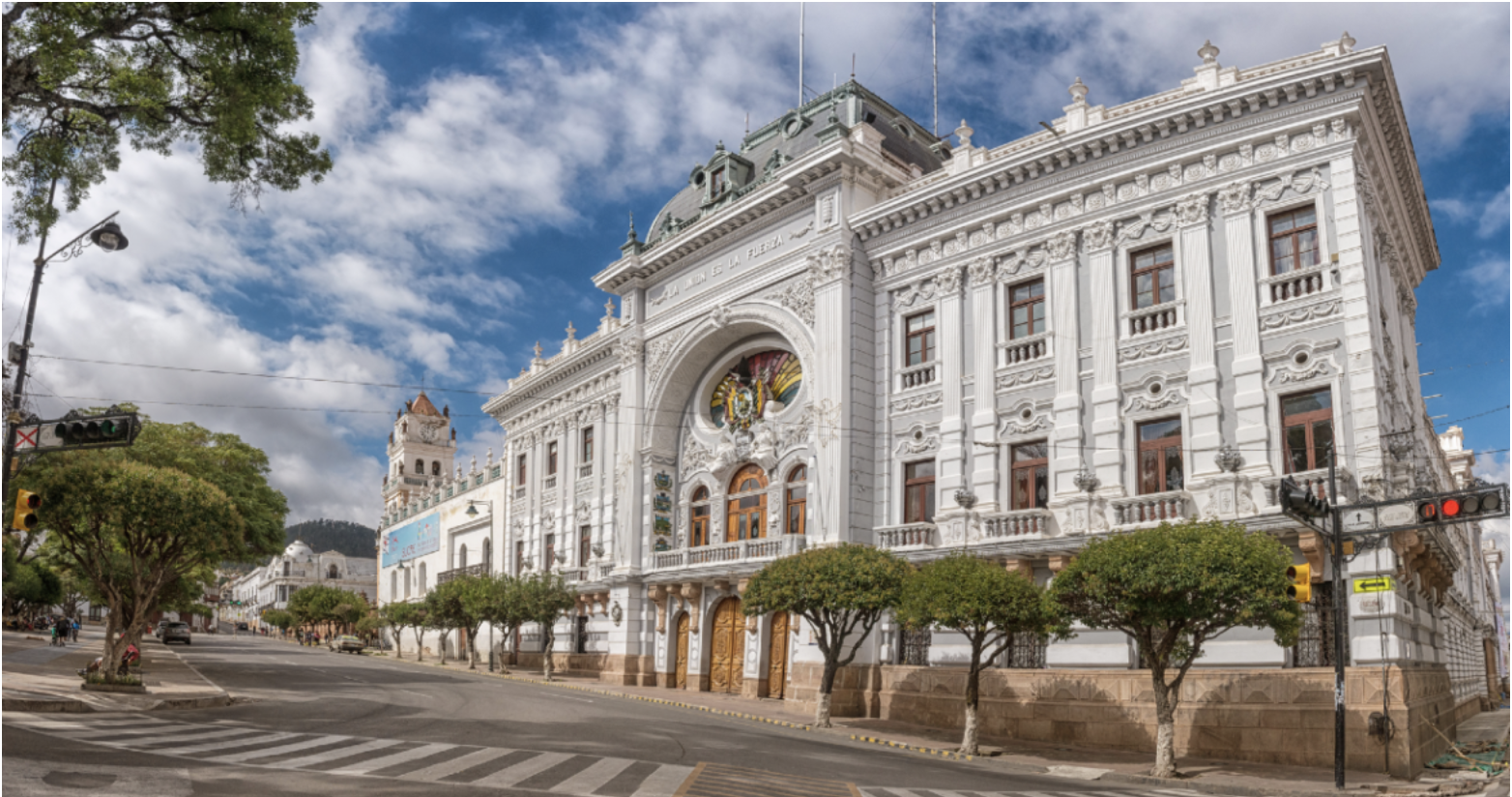
Regarding Sucre (the text published by National Geographic is respected) the following is noted: “Sucre, located in south-central Bolivia, is one of the cities selected for its architecture, which shows local and also European styles. As is known, this place was founded by the Spanish in the 16th century, but in 1839 it was declared the first capital of the country. The mining wealth of Potosí influenced the economic development of Sucre. Likewise, its buildings, like the churches, draw attention to the mix of styles and traditions of the Renaissance, Mudejar, Gothic, Baroque and Neoclassical periods, between the 16th and 19th centuries.”
“The House of Liberty, built in 1621 as part of the Jesuit Convent, is also located in this city and is considered a historical monument of the country due to what happened before independence.”
“Without a doubt, a new distinction that fills us with pride and commitment, highlighting the beauty and heritage wealth of this wonderful city.”
“Me telling you is not enough. Get to know and visit Sucre, Capital of Bolivia, a city that is crazy.”
That’s it, the transcript. It is not strange nor is it the first time that people who are not from Sucre think this way about this ancient and old town, in contrast to the opinion and attitude of many of our own citizens, who do not accept taking advantage of our past to encourage tourism, inexhaustible source of resources for collective benefit and generator of employment, which is what the region needs most.
Sucre, según la National Geographic
Es tan importante esta nota que se la transcribe literalmente con la esperanza de que los lectores y, especialmente, las autoridades vinculadas con el patrimonio de la ciudad, se den un tiempo para leerla y actuar en consecuencia, precisamente en este momento en que la reacción general en contra de construcciones fuera de norma ha crecido en tal forma, que tiene que terminar en una acción eficaz para evitar que se pierda no solamente el título patrimonial, sino el patrimonio mismo, lo que sería una aberración porque se perdería la fortaleza que tiene la ciudad para generar los recursos económicos provenientes del turismo que precisa la gente para vivir.
El 26 de septiembre de 2023, National Geographic seleccionó tres ciudades latinoamericanas, entre ellas Sucre, al considerarlas “las más históricas del mundo”, incluidas por la Unesco en la “Lista del Patrimonio Mundial”.
Los tres destinos elegidos son Sucre, Bolivia; Lima, Perú; y Colonia del Sacramento, Uruguay, las que se identificaron, según National Geographic, “por ser reconocidas como un ejemplo destacado de un tipo de edificación, conjunto arquitectónico o tecnológico o paisaje que ilustra una etapa significativa de la historia de la humanidad”.
Respecto a Sucre (se respeta el texto publicado por National Geographic) se señala lo siguiente: “Sucre, ubicada en el centro-sur de Bolivia, es una de las ciudades seleccionadas por su arquitectura, la cual muestra estilos locales y también europeos. Como se sabe, este lugar fue fundado por los españoles en el siglo XVI, pero en 1839 fue declarado como la primera capital del país. La riqueza minera de Potosí influyó en el desarrollo económico de Sucre. Asimismo, sus edificaciones, como las iglesias, llaman la atención por la mezcla de estilos y tradiciones de la época renacentista, mudéjar, gótico, barroco y neoclásico, entre los siglos XVI y XIX”.
“La Casa de la Libertad, construida en 1621 como parte del Convento de los Jesuitas, se encuentra también en esta ciudad y es considerada un monumento histórico del país por lo acontecido antes de la independencia”.
“Sin lugar a dudas, una nueva distinción que nos llena de orgullo y compromiso, resaltando la belleza y riqueza patrimonial de esta maravillosa ciudad”.
“Que te cuente no es suficiente. Conoce y visita Sucre, Capital de Bolivia, una ciudad que es una locura”.
Hasta ahí, la transcripción. No es extraño ni es la primera vez que gente que no es de Sucre opine así de esta antigua y vieja villa, en contraste con la opinión y la actitud de muchos de nuestros propios ciudadanos, que no aceptan aprovechar nuestro pasado para incentivar el turismo, fuente inagotable de recursos de beneficio colectivo y generador de empleo, que es lo que más necesita la región.
https://correodelsur.com/opinion/20231013_sucre-segun-la-national-geographic.html

 Bolivian Thoughts | Pensamientos Bolivianos (Bilingual/Bilingüe)