
By Marcelo Añez Mayer* Ideas Textuales; Eju.tv:
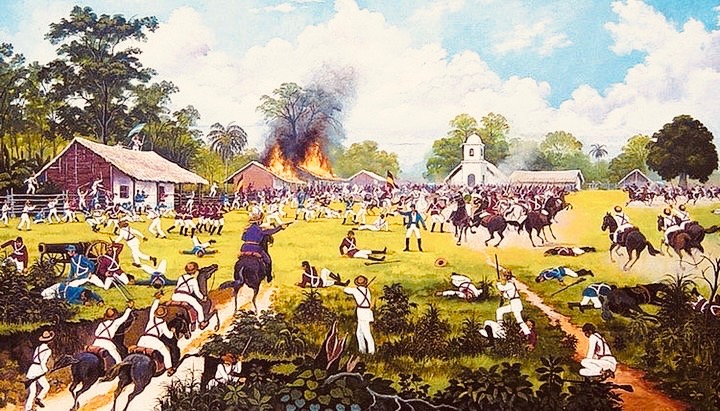
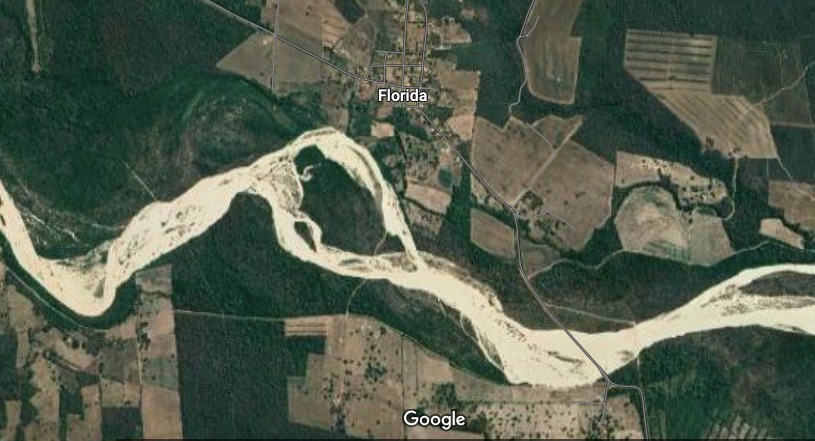
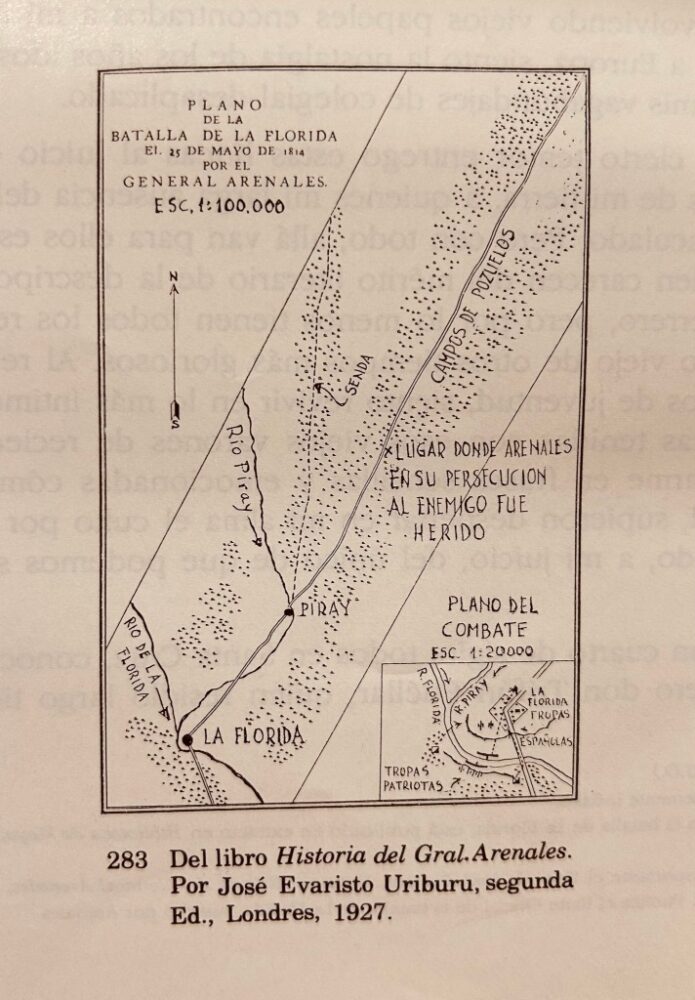
As some of you may know, 211 years ago, on May 25, 1814, within the framework of the American War of Independence, a very important battle was fought here in Santa Cruz, Bolivia: the Battle of La Florida. The town of Florida is located about 70 km southeast of Samaipata. A river also called Florida used to flow through the town. That river now appears dry on Google Maps, but at the time it must have carried considerable water and likely flowed into the Río Grande, about 30 km to the east.
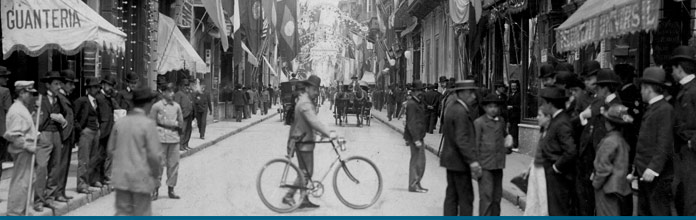
The patriot victory achieved at the Battle of La Florida under the leadership of the Argentinians Arenales and Warnes was so important at the time that, in its honor, the Directory of the United Provinces of the Río de la Plata decided to name one of Buenos Aires’ most emblematic streets after it: Florida Street, which later became the well-known pedestrian promenade, Peatonal Florida.
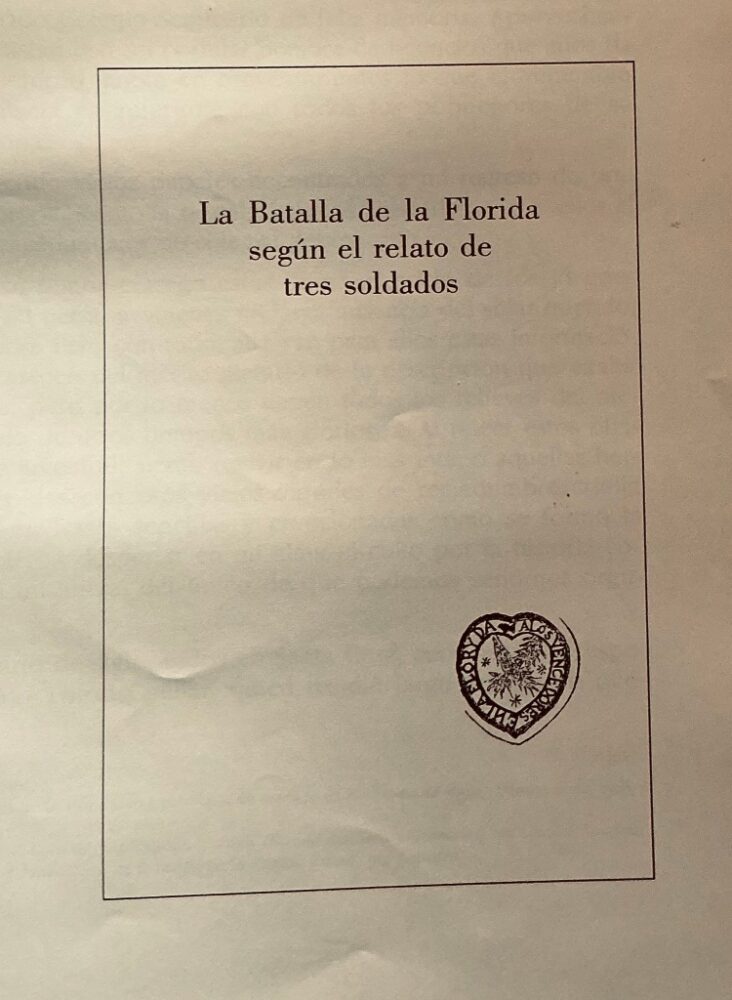
In 1913, the writer from Santa Cruz, José Vázquez-Machicado, spoke with the respected gentleman, already elderly by then, Trifón Cuellar—a businessman who had lived many years in the Cordillera province and had interacted with the soldiers Vaca, Pedraza, and Melgar, survivors of the Battle of Florida. Many years later, José Vázquez-Machicado put that valuable oral testimony into writing. Thus was born the account, “The Battle of La Florida as Told by Three Soldiers.”
Staying true to the testimonies, Vázquez-Machicado recounts that Arenales and Warnes tasked José Manuel “El Colorao” Mercado, in command of 25 or 30 soldiers, with staging a diversionary encounter against Blanco’s royalist troops at La Paliza, about 25 kilometers from Florida. The plan was for Mercado’s detachment to fire a few shots, pretend to be defeated, and flee toward Florida, where the main patriot forces of Arenales and Warnes would be waiting for Blanco’s royalists. That is exactly what happened.
The plan was to ambush the royalists on the banks of the Florida River, just a few meters from the town. During the preparations in Florida, Warnes saw a Guaraní soldier dig a hole in the sand and get inside it (a personal trench), and he instructed his infantrymen to do the same. With this tactic, Warnes and Arenales surprised Blanco’s cavalry as it entered Florida. Caught off guard, Blanco’s troops ran toward the town. The final part of the battle took place in the town square, which, being small, didn’t offer enough space for troops to fight at a distance or to reload their rifles in time—so it turned into hand-to-hand combat. With sabers and lances.
There are many versions of the Battle of Florida. Several of them mention a duel between the two commanders: Blanco and Warnes. In Vázquez-Machicado’s account, at one point during the fierce battle in the Florida square, Blanco and Warnes met, both on horseback, and immediately clashed with sabers. Blanco had the upper hand in the fight because Warnes’ horse was “boquimuelle,” meaning overly sensitive to the bit, which made communication with its rider difficult. At that moment, a patriot soldier—a Black man named Ainque—came to his commander’s aid and struck Blanco on the nape with the butt of his rifle. Blanco fell off his horse, and Warnes seized the opportunity to finish him off with a saber slash to the neck. That was the end of Blanco.
I also think it’s important to clarify that the Blanco killed at Florida is not the same Blanco who became president of Bolivia for six days before being assassinated in 1829, as Alcides Arguedas suggests in Caudillos Letrados.
*Marcelo Añez Mayer is an essayist.
Por Marcelo Añez Mayer* Ideas Textuales; Eju.tv:
[Si quiere escuchar el resumen, use este link, gracias]
Como algunos de ustedes han de saber, 211 años atrás, el 25 de mayo de 1814, en el marco la Guerra de Independencia de América, acá en Santa Cruz, Bolivia, se libró una batalla muy importante. La Batalla de la Florida. La localidad de Florida está a unos 70 km. al sureste de Samaipata. Por Florida pasa un río que en ese entonces llamaban también de Florida. Ese río ahora en Google Maps se ve seco, pero en esa época debe de haber sido caudaloso y sus aguas deben haber desembocado en Río Grande, unos 30 km al este.
El triunfo patriota obtenido en la Batalla de la Florida bajo el liderazgo de los argentinos Arenales y Warnes, fue tan importante para la época que, en su homenaje, el Directorio de las Provincias Unidas del Río de La Plata decidió llamar así a una de las calles más emblemáticas de Buenos Aires, la calle Florida, convertida después en la popular Peatonal Florida.
En 1913 el escritor cruceño José Vázquez-Machicado conversaba con el respetable caballero, ya anciano entonces, Trifón Cuellar; hombre de negocios que había vivido muchos años en la provincia Cordillera y tenido trato con los soldados Vaca, Pedraza y Melgar, sobrevivientes de la Batalla de Florida. Después de muchos años José Vázquez-Machicado puso por escrito ese valioso testimonio oral. Así nació el relato “La Batalla de la Florida según el relato de tres soldados”.
Fiel a los testimonios, cuenta Vázquez-Machicado que Arenales y Warnes encargaron a José Manuel “El Colorao” Mercado, al mando de 25 o 30 soldados, un recibimiento distractivo a las tropas realistas de Blanco en La Paliza, a unos 25 kilómetros de Florida. El plan era que el destacamento de Mercado, después de unos tiros, fingiese derrota y huyese hacía Florida, en donde esperarían a los realistas de Blanco el grueso de las tropas patriotas de Arenales y Warnes. Lo que efectivamente sucedió.
La idea era esperar a los realistas en la playa del Río Florida, a pocos metros del pueblo. Durante los preparativos en Florida, Warnes vio a un soldado guaraní cavar un hueco en la arena y meterse dentro de él (una trinchera personal) e instruyó a sus soldados de infantería que hiciesen lo mismo. Con esa táctica Warnes y Arenales sorprendieron a la caballería de Blanco en su ingreso a Florida. Las tropas de Blanco viéndose sorprendidas corrieron hacia el pueblo. La parte final de la batalla se libró en la plaza del pueblo, que, como era pequeña, no tenía el espacio suficiente para que las tropas peleasen a distancia y tuvieran el tiempo necesario para recargar sus fusiles, fue peleada cuerpo a cuerpo. A sablazos y a lanzazos.
Hay muchas versiones de la Batalla de Florida. En varias de esas versiones se habla de un duelo entre ambos comandantes; Blanco y Warnes. En el relato de Vázquez-Machicado se cuenta que en un momento dado de la encarnizada batalla en la plaza de Florida se encontraron Blanco y Warnes, ambos montados, y sin mucho trámite se trenzaron a sablazos. Y que Blanco le venía sacando ventaja en la matazón a Warnes porque el caballo de Warnes era “boquimuelle”, es decir; muy sensible al freno, lo que dificultaba la comunicación con su jinete. En esos momentos un soldado patriota, un negro llamado Ainque, llegó en auxilio de su comandante y le pegó un culatazo en la nuca a Blanco, que cayó del caballo, oportunidad que aprovechó Warnes para rematar a Blanco de un sablazo en el cogote. Hasta ahí llegó Blanco.
Creo también, importante, precisar que este Blanco muerto en Florida no es el mismo Blanco que fue presidente de Bolivia por seis días antes de ser asesinado en 1829, como sugiere Alcides Arguedas en Caudillos Letrados.
*Marcelo Añez Mayer es ensayista.
https://eju.tv/2025/05/211-anos-de-la-batalla-de-la-florida/

 Bolivian Thoughts | Pensamientos Bolivianos (Bilingual/Bilingüe)