By Unitel:
Fish Contaminated with Mercury Threatens the Health of Pregnant Women and Unborn Babies in Indigenous Lowland Communities
Recurring fainting, memory loss, and other symptoms are affecting pregnant women in Ese Ejja communities near the Pilón Lajas Reserve, located between La Paz and Beni
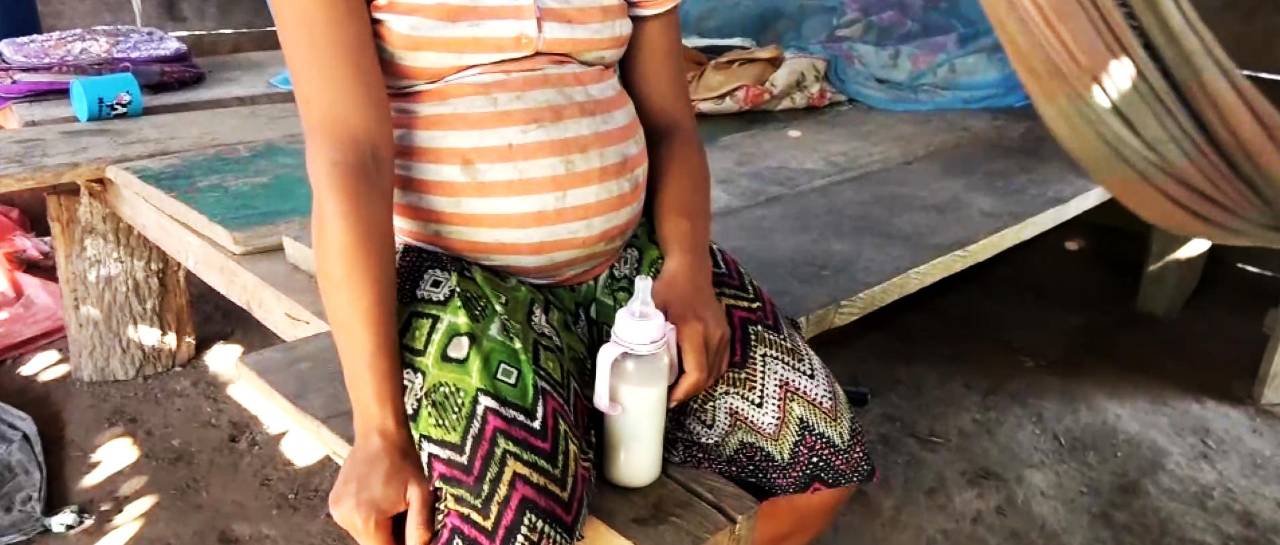
[Photo: UNITEL] / Sudden fainting spells are among the symptoms reported by pregnant women in the Ese Ejja community
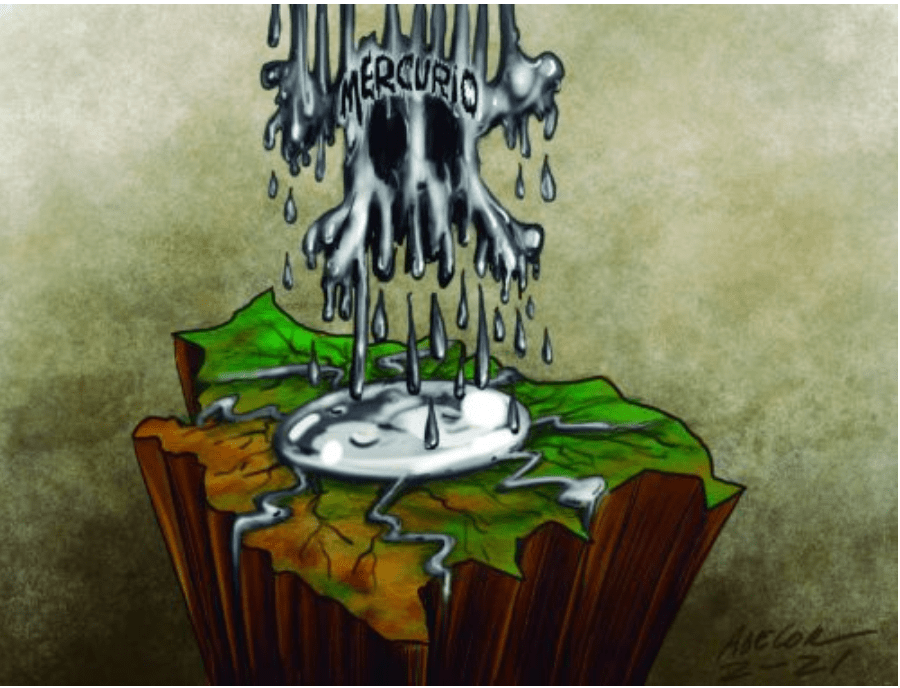
Mercury pollution linked to mining activities in the river basins feeding the Beni River is hitting pregnant women and unborn babies in Ese Ejja indigenous communities particularly hard, in the protected Pilón Lajas area between the departments of La Paz and Beni. The accumulation of this heavy metal in fish threatens the health and future of lowland families.
“Those most affected by mercury pollution are actually unborn children,” warned Darío Achá, a researcher at the Institute of Ecology, referring to the impact of exposure on early development.
Regarding the risks during pregnancy, Juana Barrios, director of the Rurrenabaque Hospital, explained that “mercury microcontamination can harm the embryo or fetus, affecting the central nervous system, the first organ to be impacted.”
TEN PREGNANT WOMEN WITH SYMPTOMS
In San Buenaventura, the Ese Ejja community of Eyiyoquivo is experiencing the most critical cases, with 103 families and more than 300 inhabitants living in overcrowded conditions on approximately eight hectares.
Ten pregnant women in the community are reportedly suffering from recurrent fainting spells, memory loss, and other symptoms associated with mercury contamination, with no timely access to medical care or alternative sources of livelihood such as jobs, livestock raising, or agricultural projects.
The Ese Ejja indigenous community leader, Jhony Sosa Torres, warned about the conditions families are facing: “The women are the ones most contaminated, the men a little less. They faint, they vomit. This is what is happening. Sometimes their children are born like that, disabled, you know?”
He also called for employment opportunities for the community: “That is what would help us the most. We need people to have jobs now, you know? Some place that can provide work, right?”
Ese Ejja fisherman Pablo Sosa described the consequences of eating contaminated fish in the area: “My brother also died because of mercury, from eating that fish too. We catch fish that are all sick like that, and they rot on their own.”
In Pilón Lajas National Park, home to 23 communities between La Paz and Beni, people with mercury in their bodies have already been identified in 13 communities.
Clemente Cailani, a resident of Asunción del Quiquibey, said: “Once again, the results show that each person has been affected like this, that we have been contaminated.”
Meanwhile, Magaly Tipuni, president of the Chimán-Mosetén Regional Council, criticized the lack of action: “We have appealed to the authorities, but nothing has been done. Unfortunately, bureaucracy and those who have money and want to destroy things just go ahead and destroy them.”
RESEARCH
A study supported by an international organization and conducted by UMSA experts analyzed samples from 10 fish species in Rurrenabaque and San Buenaventura. The study found that blanquillo contains one part per million of mercury and should not be eaten; catfish, pantalón, surubí, and corvina are classified for moderate consumption, while paiche, yatorana, tambaquí, pacú, and sábalo are considered safe, nutritious choices.
Darío Achá emphasized that the high frequency of fish consumption in these communities increases the risk: “We can eat practically any fish because our exposure is limited. The problem is that indigenous communities eat a lot of fish.”
Although San Buenaventura and Rurrenabaque do not depend on mining, they suffer the consequences of mechanized mining, both legal and illegal, operating 95 to 100 kilometers upstream, in locations identified by the Navy along the Kaka River (tributaries of Mapiri and Tipuani), the Alto Beni River (toward the La Paz River), and the Tuichi River (from Apolo).
Kadir Suárez, captain of the Port Authority on the Beni River, explained: “But the contamination here is caused by mechanized mining activities taking place upstream, about 95 to 100 kilometers upriver.”
COMPLAINTS WITHOUT ANSWERS
In response to the situation, Marianela Zurita, the councilwoman representing Pilón Lajas, said: “We are fighting like abandoned children on this issue.”
San Buenaventura has declared itself free of mining, while Rurrenabaque is awaiting approval of a similar municipal law. Teresa Vázquez, secretary-general of the Rurrenabaque municipal government, stated: “And since this is a municipal policy, we don’t have to ask permission to approve a bill.”
At the legislative level, Cecilia Requena, a deputy from Alianza Unidad, warned about the lack of health measures to address high mercury levels.
“There are no health measures whatsoever, so we are going to submit formal requests for information, and based on that, we could even proceed with an interpellation,” Requena said.
Meanwhile, the Ministry of Mining stated that it is working on a Mining Code aimed at reducing mercury use and tackling illegal mining.
“We are working toward that. And that’s not all; as the Ministry of Mining, we are also looking at other technologies,” said Deputy Minister of Mining Policy Luis Landívar.
Deputy Minister of Technological Minerals Carlos Ergueta highlighted the following: “A cyanidation plant has already been implemented in the department of La Paz, and it is beginning to operate.”
Por Unitel:
Pescado con mercurio golpea la salud de embarazadas y bebés en gestación de comunidades indígenas de tierras bajas
Desmayos recurrentes, pérdida de memoria y otros síntomas afectan a las mujeres en gestión de los pueblos ese ejja que se encuentran en inmediaciones de la Reserva Pilón Lajas, ubicada entre La Paz y Beni
[Foto: UNITEL] / Los repentinos desmayos están entre algunos de los síntomas que presentan mujeres embarazada en el pueblo ese ejja
La contaminación por mercurio vinculada a la actividad minera en las cuencas que alimentan el río Beni golpea con mayor severidad a las mujeres embarazadas y a los bebés en gestación de las comunidades indígenas ese ejja, en el área protegida de Pilón Lajas, entre los departamentos de La Paz y Beni. La acumulación de este metal pesado en peces compromete la salud y el futuro de las familias de tierras bajas.
“Los principales afectados por la contaminación por mercurio son en realidad los niños en gestación”, advirtió el investigador del Instituto de Ecología, Darío Achá, al referirse al impacto de la exposición en el desarrollo temprano.
Sobre los riesgos durante el embarazo, la directora del Hospital de Rurrenabaque, Juana Barrios, explicó que la “microcontaminación por mercurio puede dañar al embrioncito o al fetito, afectando el sistema nervioso central, el primer órgano”.
DIEZ EMBARAZADAS CON SÍNTOMAS
En San Buenaventura, la comunidad ese ejja de Eyiyoquivo concentra los casos más críticos, con 103 familias y más de 300 habitantes viviendo en condiciones de hacinamiento en unas 8 hectáreas.
En el lugar se reportan 10 mujeres embarazadas que sufren desmayos recurrentes, pérdida de memoria y otros síntomas asociados a la contaminación por mercurio, sin acceso a atención médica oportuna ni alternativas de sustento como trabajo, ganadería o proyectos agrícolas.
El capitán del pueblo indígena ese ejja, Jhony Sosa Torres, alertó sobre los cuadros que enfrentan las familias: “Lo que más son contaminados son las mujeres, un poco nomás los hombres. Se desmayan, se vomitan. Así está pasando, hay veces nacen su hijo así discapacitado, ¿no?”.
También pidió fuentes laborales para la población: “Eso es lo que nos den mejor. Ya necesitamos que trabaje la gente, ¿no?, algún lugar que den, ¿no?”.
Por su parte, el pescador ese ejja, Pablo Sosa relató las consecuencias de consumir pescado afectado en la zona: “Con mercurio también mi hermano ha fallecido de mí, comiendo ese pescado también. Sacamos pescado así enfermo todo, por sí nomás se pudren”.
En el parque Pilón Lajas, donde habitan 23 comunidades entre La Paz y Beni, ya se han identificado personas con mercurio en el cuerpo en 13 de ellas.
El comunario de Asunción del Quiquibey, Clemente Cailani, señaló: “Llega nuevamente en lo que es el resultado de cada persona así, que habíamos estado contaminados nosotros”.
A su vez, la presidenta del Consejo Regional Chimán-Mosetén, Magaly Tipuni, cuestionó la falta de acción: “Hemos apelado ante las autoridades, pero no se ha dado. Lastimosamente, la burocracia y el que tiene plata y el que quiere destruir destruye nomás”.
INVESTIGACIÓN
Una investigación apoyada por una organización internacional y realizada por expertos de la UMSA evaluó muestras de 10 especies de peces en Rurrenabaque y San Buenaventura. El estudio estableció que el blanquillo registra una parte por millón de mercurio y debe evitarse su consumo; el bagre, pantalón, surubí y corvina figuran como de consumo moderado; mientras que el paiche, yatorana, tambaquí, pacú y sábalo se señalan como de consumo seguro y nutritivo.
Darío Achá subrayó que la alta frecuencia de consumo en estas comunidades agrava el riesgo: “Podemos casi comer prácticamente cualquier pescado, porque tenemos una exposición limitada. El problema está que los pueblos indígenas consumen mucho pescado”.
Aunque San Buenaventura y Rurrenabaque no dependen de la minería, soportan los efectos de la actividad minera mecanizada, tanto legal como ilegal que opera a entre 95 y 100 kilómetros río arriba, en puntos identificados por la Armada en el río Kaka (afluentes de Mapiri y Tipuani), el río Alto Beni (hacia el río La Paz) y el río Tuichi (desde Apolo).
El capitán de Puerto Mayor del río Beni, Kadir Suárez, precisó: “Pero aquí la afectación que existe es de la actividad minera mecanizada que ocurre río arriba, estamos hablando de 95 a 100 kilómetros río arriba”.
RECLAMOS SIN RESPUESTAS
Ante la situación, la concejal representante de Pilón Lajas, Marianela Zurita, expresó: “Estamos luchando como hijos abandonados en este tema”.
San Buenaventura se declaró libre de minería y Rurrenabaque aguarda la aprobación de una ley municipal similar; la secretaria general de la Alcaldía de Rurrenabaque, Teresa Vázquez, sostuvo: “Y al ser una política municipal, no tenemos que pedir permiso para aprobar un proyecto de ley”.
Desde el ámbito legislativo, la diputada de Alianza Unidad, Cecilia Requena, advirtió sobre la falta de medidas sanitarias frente a los altos niveles de mercurio.
“No hay ninguna medida desde el punto de vista de la salud, así que vamos a hacer las peticiones de informe y sobre esa base se puede hacer inclusive la interpelación”, manifestó Requena.
En tanto, desde el Ministerio de Minería indicaron que se trabaja en el Código Minero para reducir el uso de mercurio y enfrentar la minería ilegal.
“Estamos apuntando aquello. Y no es lo único, también estamos viendo como Ministerio de Minería ver otras tecnologías”, señaló el viceministro de Política Minera, Luis Landívar.
El viceministro de Minerales Tecnológicos, Carlos Ergueta, destacó: “En el departamento de La Paz ya se ha implementado una planta de cianuración que ya está empezando a funcionar”.


Leave a Reply