By Andrés Gómez, Encontrados.com.bo:
Bolivia must stop living off what it extracts and start prospering through what it creates. Natural resources are depleted. Human talent, on the other hand, can multiply if it is nurtured. This difference alone should be enough to understand Bolivia’s predicament.
This Friday, the government announced that natural gas reserves had fallen to 2.30 trillion cubic feet (TCF). Thirteen years ago, hydrocarbon experts, including Álvaro Ríos, warned that this day would come and that Bolivia would have to begin importing gas by 2029. They did not need to consult coca leaves or read tarot cards to predict it. All they had to do was analyze the data, the trends, and the decisions made by those in power at the time: Evo Morales and Álvaro García Linera. The tragedy was not that nobody had warned us. The tragedy was that nothing necessary was done to prevent it.
Faced with this reality, Bolivia has two paths. The first is to keep searching for natural resources, extracting them, selling them, and eventually depleting them. The second is to invest in the minds of our children and turn knowledge into our main source of wealth.
These are two different models for a country. The first produces wealth extractors: government officials, businesspeople, and economic groups that live off the exploitation of natural resources. The second develops wealth creators: scientists, inventors, researchers, entrepreneurs, and professionals capable of transforming knowledge into solutions, products, and technology.
History shows that the difference between countries that prospered and those that fell behind cannot be explained solely by their natural resources. About two centuries ago, a transformation began to reshape the world: some countries chose to invest in education, scientific research, and innovation. Knowledge became technology; technology became productivity; and productivity became wealth and well-being.
While some countries extract tin, gold, silver, or lithium and sell them as raw materials, others buy them, process them, and turn them into cellphones, vehicles, machinery, aircraft, and technological devices that they subsequently sell at much higher prices. In this way, the wealth that leaves our territories returns as products we do not know how to manufacture. We sell the raw materials; they sell the knowledge embedded in them.
Bolivia’s problem is not simply that it is running out of gas. It is that, after decades of prosperity, it also failed to build the human capabilities needed to live without it.
It is time to make a decision: Do we want to remain a country of wealth extractors, or become a nation of wealth creators?
We may be fortunate enough to discover another gas field, find another mineral deposit, or exploit another resource that finances the State for one or two generations. But if we do not change our development model, 20 years from now we will once again be lamenting the depletion of another natural resource. Sustainable prosperity does not depend on how much wealth lies beneath our feet, but on how much we can create through our knowledge.
How can we change this course? I propose seven decisions:
1. A National Pact for Education
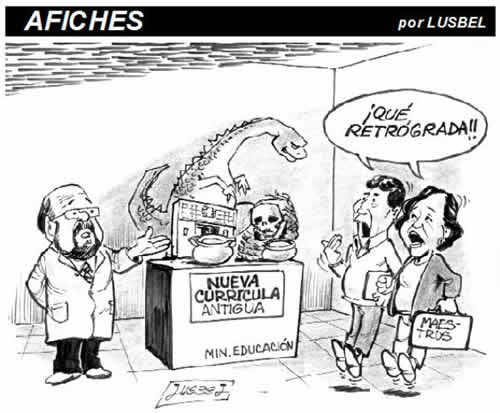
Teachers, parents, universities, business leaders, social organizations, and political parties must agree on a state policy that goes beyond individual governments. Education can no longer be treated as political spoils or used as an instrument of indoctrination. It must become Bolivia’s most important national project.
2. Invest in the Minds of Our Children
We must progressively increase investment in education and ensure that every Bolivian receives a quality education. Where will the resources come from? By ending the funding of structurally loss-making state-owned companies, reducing unnecessary bureaucratic expenses, reviewing institutions that contribute little to national development, and recovering assets derived from corruption and drug trafficking, so that, in accordance with the law, they can be allocated to schools, laboratories, and research centers.
This is not about spending more for the sake of spending. It is about investing better.
3. Raise the Status of the Teaching Profession
Not just anyone should be allowed to become a teacher. We need to attract the most talented high school graduates, train teachers to the highest academic standards, evaluate their performance, and offer them salaries and working conditions that reflect the enormous responsibility they carry. Would we trust our car to just any mechanic? We look for the best. Why shouldn’t we demand the same standards from those entrusted with educating our children?
4. Raise Academic Standards at Universities
Universities must become centers of knowledge production, scientific research, and innovation, not merely institutions that issue degrees or arenas for political disputes. Public funding should recognize and reward verifiable results in research, quality education, and contributions to the country’s development.
5. Set Measurable Goals and Results
We can no longer evaluate education by the number of buildings constructed, degrees awarded, or money spent. We must measure how much our students learn, what skills they develop, and how much knowledge our universities produce. Within 12 years, we should have a first generation of high school graduates with solid skills in research, critical thinking, creativity, and problem-solving.
6. Establish a Major National Scholarship Program
High school graduates with the best results and university students who demonstrate academic excellence, research capabilities, and commitment to the country should have opportunities to pursue specialized studies at the world’s leading universities. Bolivia must invest in this talent and create the conditions for these individuals to return, conduct research, launch businesses, and help transform our reality.
7. Build a Partnership Between Universities, the Private Sector, and the State
Universities produce knowledge, businesses turn it into goods and services, and the State creates the conditions for this process to work. This partnership must enable research to become innovation, technology, quality jobs, and new sources of wealth. We need to move from an economy that exports raw materials to one that also exports knowledge.
The MAS administration not only left the country facing a gas reserve crisis after an extraordinary period of prosperity. It also weakened the institutional and educational capacities Bolivia needed to build a different future. Corruption, wasteful spending, and projects lacking a development vision came at a cost that cannot be measured solely in millions of dollars. It must also be measured in opportunities lost for entire generations.
But I am not writing these lines so that we remain trapped in nostalgia for what we once had or in anger over what we lost. I am writing because we still have time to change course.
Bolivia does not need to discover another natural resource deposit to save its future. It needs to discover, develop, and unleash the talent of millions of Bolivians.
Gas can run out. Gold can be exhausted. Lithium can run out, too. But a society that learns, researches, invents, and creates can generate wealth for centuries.
We must stop educating our children merely to get a job and start educating them to discover, create, become entrepreneurs, and transform society.
The true wealth of our Bolivia does not lie beneath our feet. It lies within the minds of our sons and daughters. If we want a different country, we must begin by investing in them. Not tomorrow. Now.
Por Andrés Gómez Vela, Encontrados.com.bo:
Bolivia debe dejar de vivir de lo que extrae y comenzar a prosperar gracias a lo que crea. Los recursos naturales se agotan. El talento humano, en cambio, puede multiplicarse si se cultiva. Esta diferencia debería ser suficiente para comprender el drama boliviano.
Este viernes, el gobierno informó que las reservas de gas natural cayeron a 2,30 TCF. Hace 13 años, expertos en hidrocarburos, entre ellos Álvaro Ríos, advertían que este día llegaría y que Bolivia tendría que comenzar a importar gas a partir de 2029. No necesitaron consultar la coca ni el tarot para anticiparlo. Les bastó analizar los datos, las tendencias y las decisiones de quienes gobernaban entonces: Evo Morales y Álvaro García Linera. La tragedia no fue que nadie lo hubiera advertido. La tragedia fue que no se hizo lo necesario para evitarla.
Ante esta realidad, Bolivia tiene dos caminos. El primero es seguir buscando recursos naturales para extraerlos, venderlos y agotarlos. El segundo es invertir en los cerebros de nuestros niños y niñas para convertir el conocimiento en nuestra principal fuente de riqueza.
Son dos modelos de país. El primero produce extractores de riqueza: gobernantes, empresarios y grupos económicos que viven de la explotación de los recursos naturales. El segundo forma creadores de riqueza: científicos, inventores, investigadores, emprendedores y profesionales capaces de transformar el conocimiento en soluciones, productos y tecnología.
La historia demuestra que la diferencia entre los países que prosperaron y los que quedaron rezagados no se explica solamente por sus recursos naturales. Hace aproximadamente dos siglos comenzó a profundizarse una transformación que cambiaría el mundo: algunos países apostaron por la educación, la investigación científica y la innovación. El conocimiento se convirtió en tecnología; la tecnología, en productividad; y la productividad, en riqueza y bienestar.
Mientras unos países extraen estaño, oro, plata o litio y los venden como materias primas, otros los compran, los transforman y los convierten en celulares, vehículos, maquinaria, aviones y dispositivos tecnológicos que después comercializan a precios mucho mayores. Así, la riqueza que sale de nuestros territorios regresa convertida en productos que no sabemos fabricar. Nosotros vendemos la materia prima; ellos venden el conocimiento incorporado en ella.
El problema de Bolivia no es solamente que se esté quedando sin gas. Es que, después de décadas de bonanza, tampoco construyó las capacidades humanas necesarias para vivir sin él.
Es tiempo de decidir: ¿queremos seguir siendo un país de extractores de riqueza o convertirnos en una nación de creadores de riqueza?
Podemos tener la suerte de descubrir otro yacimiento, encontrar otro mineral o explotar otro recurso que financie al Estado durante una o dos generaciones. Pero si no cambiamos nuestro modelo de desarrollo, dentro de 20 años estaremos nuevamente lamentándonos por el agotamiento de otra riqueza natural. La prosperidad sostenible no depende de cuánto tenemos bajo tierra, sino de cuánto somos capaces de crear con nuestro conocimiento.
¿Cómo cambiar esta historia? Propongo siete decisiones:
1. Un pacto nacional por la educación
Maestros, padres y madres de familia, universidades, empresarios, organizaciones sociales y partidos políticos deben acordar una política de Estado que trascienda a los gobiernos. La educación no puede seguir siendo botín político ni instrumento de adoctrinamiento. Debe convertirse en el proyecto nacional más importante de Bolivia.
2. Invertir en los cerebros de nuestros niños y niñas
Hay que incrementar progresivamente la inversión en educación y garantizar que cada boliviano reciba una formación de calidad. ¿De dónde obtener los recursos? Dejar de financiar empresas públicas estructuralmente deficitarias, reducir gastos burocráticos innecesarios, revisar instituciones que aportan poco al desarrollo nacional y recuperar los activos provenientes de la corrupción y el narcotráfico para destinarlos, conforme a la ley, a escuelas, laboratorios y centros de investigación.
No se trata de gastar más por gastar, se trata de invertir mejor.
3. Jerarquizar la profesión docente
No cualquiera debería llegar a ser maestro. Necesitamos atraer a los bachilleres más talentosos, formar docentes con excelencia académica, evaluar su desempeño y ofrecerles remuneraciones y condiciones laborales acordes con la enorme responsabilidad que tienen. ¿Confiaríamos nuestro automóvil a cualquier mecánico? Buscamos al mejor. ¿Por qué no exigir el mismo rigor a quienes tienen en sus manos la formación de nuestros hijos?
4. Elevar la exigencia a las universidades
Las universidades deben ser centros de producción de conocimiento, investigación científica e innovación, no simples espacios de expedición de títulos ni escenarios de disputas políticas. El financiamiento público debe reconocer y premiar los resultados verificables en investigación, formación de calidad y contribución al desarrollo del país.
5. Establecer metas y resultados medibles
No podemos seguir evaluando la educación por el número de edificios construidos, los títulos entregados o el dinero gastado. Debemos medir cuánto aprenden nuestros estudiantes, qué capacidades desarrollan y cuánto conocimiento producen nuestras universidades. En 12 años deberíamos tener una primera generación de bachilleres con capacidades sólidas de investigación, pensamiento crítico, creatividad y resolución de problemas.
6. Crear un gran programa nacional de becas
Los bachilleres con mejores resultados y los universitarios que demuestren excelencia académica, capacidad investigadora y compromiso con el país deben tener oportunidades para especializarse en las mejores universidades del mundo. Bolivia debe financiar ese talento y generar condiciones para que regrese, investigue, emprenda y contribuya a transformar nuestra realidad.
7. Construir una alianza entre universidad, empresa privada y Estado
La universidad produce conocimiento, la empresa lo convierte en bienes y servicios y el Estado genera condiciones para que ese proceso funcione. Esta articulación debe permitir que la investigación se transforme en innovación, tecnología, empleos de calidad y nuevas fuentes de riqueza. Necesitamos pasar de una economía que exporta materias primas a una que también exporte conocimiento.
El masismo no solamente dejó al país con una crisis de reservas de gas después de una extraordinaria bonanza. También debilitó las capacidades institucionales y educativas que Bolivia necesitaba para construir un futuro distinto. La corrupción, el despilfarro y los proyectos sin visión de desarrollo tuvieron un costo que no se mide únicamente en millones de dólares, se mide también en oportunidades perdidas para generaciones enteras.
Pero no escribo estas líneas para quedarnos atrapados en la nostalgia de lo que tuvimos ni en la indignación por lo que perdimos. Escribo porque todavía estamos a tiempo de cambiar el rumbo.
Bolivia no necesita encontrar otro yacimiento para salvar su futuro. Necesita descubrir, desarrollar y potenciar el talento de millones de bolivianos.
El gas puede agotarse. El oro puede terminarse. El litio también. Pero una sociedad que aprende, investiga, inventa y crea puede generar riqueza durante siglos.
Tenemos que dejar de educar para conseguir una pega y comenzar a educar para descubrir, crear, emprender y transformar.
La verdadera riqueza de nuestra Bolivia no está debajo de nuestros pies, está dentro de los cerebros de nuestros hijos e hijas. Si queremos un país diferente, tenemos que comenzar por invertir en ellos. No mañana. Ahora.


Leave a Reply