
By Erbol:
MIDDAY REPORT
Jubilee reports that the electoral day began normally in most of the country
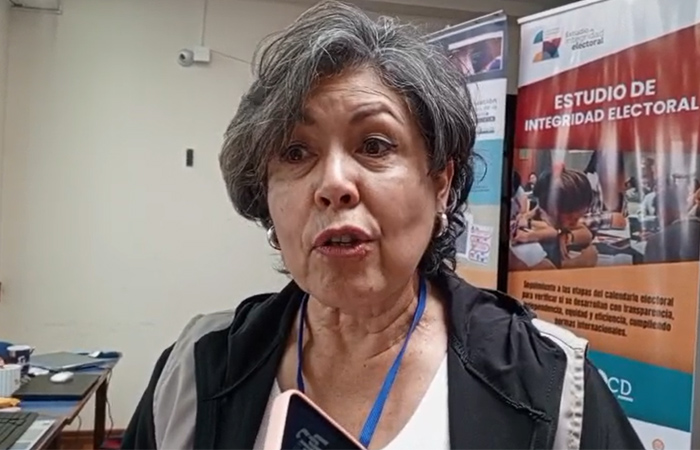
Sandra Verduguez from the MOE of Jubileo. Photo/screenshot
The Electoral Observation Mission (MOE) of the Jubileo Foundation reported that the electoral day began normally in most of the country, although punctual delays were recorded at different polling centers due to logistical factors and weather conditions.
According to the report, based on information from its deployed teams, media monitoring, and data from the Departmental Electoral Tribunals (TED), the main difficulties were concentrated in the initial phase of the process.
In La Paz, especially in the seat of government, heavy rains complicated voter movement, while in the Yungas region landslides were reported that affected the transport of electoral material. In Cochabamba, delays were recorded in the delivery of electoral kits in some municipalities.
In contrast, in Chuquisaca the rains were isolated and did not affect voting, while in Pando and Beni the day began without major inconveniences and with electoral material distributed.
At the national level, several polling stations were not able to be set up at the scheduled time, mainly due to the absence of polling officials, delays in the arrival of materials, and access difficulties. This situation was observed in regions such as Santa Cruz, Pando, Tarija, Chuquisaca, and Cochabamba, while in La Paz and Beni the weather factor affected the arrival of officials and voters.
Specific incidents were also reported, such as an internet outage in Bermejo that hindered the sending of information, as well as changes of polling locations in Oruro communicated the previous night, which generated confusion among some voters.
Among the most relevant cases, it was highlighted that at the Litoral School in Potosí a polling station could not be set up due to the absence of polling officials and the refusal of voters present to assume that role.
Despite these inconveniences, the MOE noted that the setup of polling stations progressed progressively, reaching approximately 95% in the observed locations at the time of the report. Likewise, the presence of citizens in lines since before 08:00 was observed, which generated waiting times and some initial disorganization.
The mission also identified specific difficulties related to assisted voting, accessibility, lack of electoral guides, restrictions on observers, and some isolated cases of campaigning.
Regarding institutional functioning, it was observed that several TED monitoring rooms were not yet fully operational during the first hours, with the exception of Potosí.
The Jubileo Foundation deployed 316 observers nationwide, of which 98% were already sending reports, which allowed for timely information on the development of the process.
The mission valued the proposal of the Supreme Electoral Tribunal regarding the need to update electoral regulations and considered it important that these reforms include the preparation of a new electoral registry.
The MOE called on citizens to participate in an informed and peaceful manner, and on authorities to guarantee adequate conditions for the exercise of voting, announcing that it will continue monitoring and will issue a new report in the afternoon.
Por Erbol:
INFORME DE MEDIO DIA
Jubileo reporta que la jornada electoral inició con normalidad en la mayoría del país
Sandra Verduguez de la MOE de Jubileto. Foto/captura
La Misión de Observación Electoral (MOE) de la Fundación Jubileo informó que la jornada electoral se inició con normalidad en la mayor parte del país, aunque se registraron retrasos puntuales en distintos centros de votación debido a factores logísticos y condiciones climáticas.
Según el reporte, basado en información de sus equipos desplegados, el monitoreo de medios y datos de los Tribunales Electorales Departamentales (TED), las principales dificultades se concentraron en la fase inicial del proceso.
En La Paz, especialmente en la sede de gobierno, las intensas lluvias complicaron el desplazamiento de los votantes, mientras que en la región de los Yungas se reportaron derrumbes que afectaron el traslado de material electoral. En Cochabamba se registraron demoras en la entrega de maletas electorales en algunos municipios.
En contraste, en Chuquisaca las lluvias fueron aisladas y no afectaron la votación, mientras que en Pando y Beni la jornada comenzó sin mayores inconvenientes y con el material electoral distribuido.
A nivel nacional, varias mesas no lograron instalarse a la hora prevista, principalmente por la ausencia de jurados, retrasos en la llegada de material y dificultades de acceso. Esta situación se observó en regiones como Santa Cruz, Pando, Tarija, Chuquisaca y Cochabamba, mientras que en La Paz y Beni el factor climático incidió en la llegada de jurados y electores.
También se reportaron incidencias puntuales, como un corte de internet en Bermejo que dificultó el envío de información, así como cambios de recintos electorales en Oruro comunicados la noche previa, lo que generó confusión en algunos votantes.
Entre los casos más relevantes, se destacó que en la Escuela Litoral de Potosí una mesa no pudo instalarse por la ausencia de jurados y la negativa de los electores presentes a asumir esa función.
Pese a estos inconvenientes, la MOE señaló que la instalación de mesas avanzó progresivamente, alcanzando aproximadamente un 95% en los recintos observados hasta el momento del reporte. Asimismo, se evidenció la presencia de ciudadanos en filas desde antes de las 08:00, lo que generó esperas y cierta desorganización inicial.
La misión también identificó dificultades puntuales relacionadas con el voto asistido, accesibilidad, falta de guías electorales, restricciones a observadores y algunos casos aislados de proselitismo.
En cuanto al funcionamiento institucional, se observó que varias salas de monitoreo de los TED aún no estaban plenamente operativas durante las primeras horas, con excepción de Potosí.
La Fundación Jubileo desplegó 316 observadores a nivel nacional, de los cuales el 98% ya se encontraba enviando reportes, lo que permitió contar con información oportuna sobre el desarrollo del proceso.
La misión valoró el planteamiento del Tribunal Supremo Electoral sobre la necesidad de actualizar la normativa electoral y consideró importante que estas reformas incluyan la elaboración de un nuevo padrón electoral.
La MOE hizo un llamado a la ciudadanía a participar de manera informada y pacífica, y a las autoridades a garantizar condiciones adecuadas para el ejercicio del voto, anunciando que continuará con el monitoreo y emitirá un nuevo informe en horas de la tarde.
https://erbol.com.bo/el-ánfora-1/jubileo-reporta-que-la-jornada-electoral-inició-con-normalidad-en-la-mayoría-del-país

 Bolivian Thoughts | Pensamientos Bolivianos (Bilingual/Bilingüe)