
By Jorge Manuel Soruco Ruiz, Vision 360:
Andean architecture is a way to strengthen individuality
Whether celebrating heritage or showcasing a passion, the so-called cholets or transformer buildings are rising in more cities across Bolivia and the region.
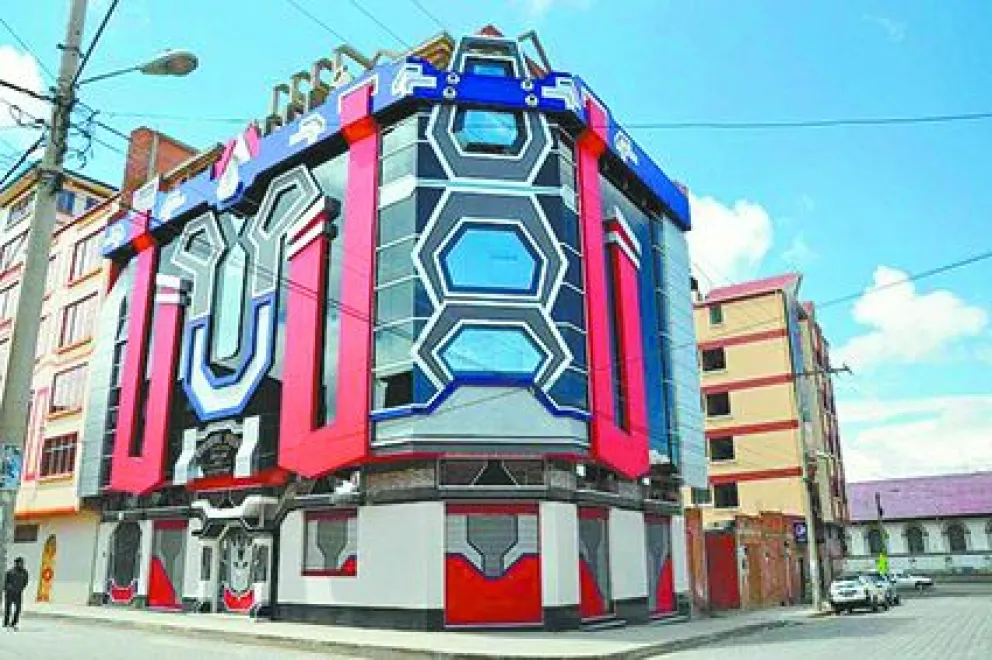
One of the first Transformer cholets in the city of El Alto. PHOTO: Alejandro Palomeque
Like the characters featured on many of their façades, cholets are transforming and seeking new places to thrive beyond El Alto. In recent years, these types of buildings have emerged in cities like Viacha, Cochabamba, and even in neighboring countries such as Brazil, Chile, and Peru.
“It has a lot to do with the migration and prosperity of Aymara merchants, who, when they arrive in a new place, bring everything with them, including their culture, traditions, way of life, and their connection to their ancestors and personal tastes, in addition to showcasing their success. The cholet is the current expression of that triumph,” explained Yolanda Salazar, a communicator who conducted a study on this type of construction.
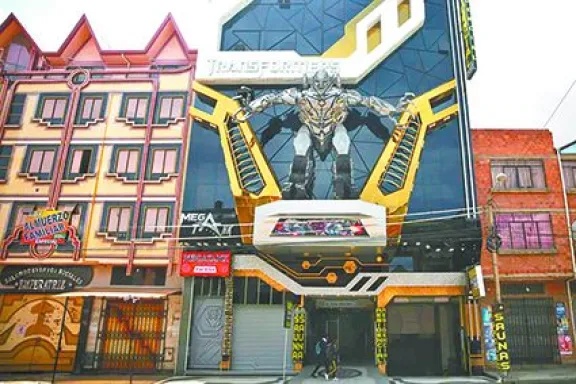
Thus, Cochabamba already has its own buildings, more modest than those in El Alto, but meeting the requirements: a ground floor with shops, followed by a party hall. At the top is the residence, which gives this style its name (a combination of chalet and cholo).
“It has much to do with the migration and prosperity of Aymara merchants, who take everything with them when they travel.”
Yolanda Salazar
Migrants have already begun work in Peruvian, Brazilian, and Chilean cities, according to local media reports.
600 cholets
is the approximate number that exists in El Alto. There is still no data for other cities, as the definition may vary depending on the owner and the building’s architect.
This type of building serves various purposes, from economic to cultural and identity-related. They are a way of affirming belonging to a cultural group.
Custom construction
For urban architect Alejandro Palomeque, cholets or transformer buildings (named as such because they emulate the aesthetic and represent characters from the science fiction franchise Transformers) are a way to identify oneself, whether with one’s ancestry or personal tastes.
Up to $2 million
is the cost of building one of the most extravagant examples of this type of architecture. A hefty amount, which is recovered through commercial use.
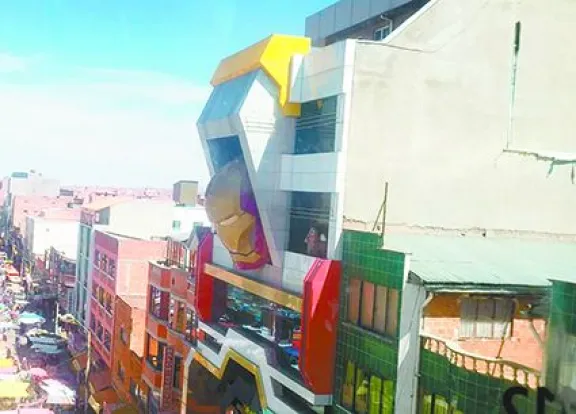
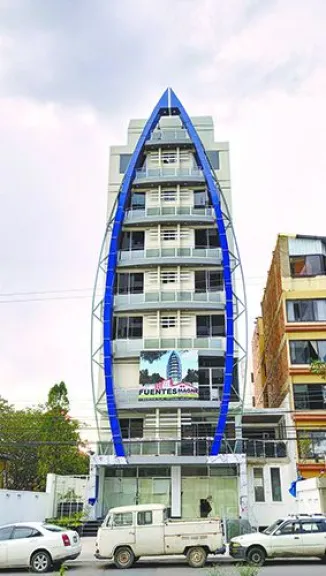
“The search for identification with motifs derived from Tiahuanaco culture, for example, was driven by the desire to show belonging to a culture and a specific place: the Andes. However, those protocholets were commissioned by a generation that had not assimilated the different icons and aesthetics that emerged from animation and comics. This explains the current aesthetic reference to Transformers, Iron Man, and the maritime longing of having a cruise ship suspended just a few meters off the ground.”
The personal nature becomes evident when considering its other function: ostentation. “Not just anyone can finance one of these buildings. You need to have the necessary resources to build it, so the families who construct them display them as a symbol of their success,” added Salazar.
“The protocholets were commissioned by a generation that did not assimilate the different icons and aesthetics that emerge from animation and comics.”
Alejandro Palomeque
“For the new generations, the representation must be literal and convey the client’s most eccentric desires,” says Palomeque, highlighting that this works in El Alto and in Las Vegas.
Por Jorge Manuel Soruco Ruiz, Vision 360:
La arquitectura andina es una forma de afianzar la individualidad
Ya sea celebrando el origen o presumiendo de una pasión, los denominados cholets o edificios transformers se levantan en cada vez más ciudades de Bolivia y de la región.
Uno de los primeros cholets Transformers de la ciudad de El Alto. FOTO: Alejandro Palomeque
Como los personajes que aparecen en varias de sus fachadas, los cholets se transforman y buscan más lugares donde prosperar, más allá de El Alto. En los últimos años este tipo de edificios han surgido en ciudades como Viacha, Cochabamba e, incluso, en los países vecinos como Brasil, Chile y Perú.
“Tiene que ver mucho con la migración y la prosperidad de los comerciantes aymaras, que cuando llegan a un nuevo lugar se llevan todo, incluyendo su cultura, sus tradiciones, su forma de vida y la forma de relacionarse con sus ancestros y gustos personales, además de ostentar su triunfo, y el cholet es la forma actual para lo último”, explicó Yolanda Salazar, comunicadora que realizó un estudio de este tipo de construcción.
Así, Cochabamba ya cuenta con sus edificios, más modestos que los de El Alto, pero que cumplen con los requisitos: planta baja con tiendas, seguida de un salón de fiestas. En la parte alta está la vivienda, que le da el nombre a este estilo (una función de chalet con cholo).
“Tiene que ver mucho con la migración y la prosperidad de los comerciantes aymaras, que cuando viajan se llevan todo”.
Yolanda Salazar
Los migrantes ya iniciaron trabajos en ciudades peruanas, brasileñas y chilenas, según reportes de medios locales.
600 cholets
es el número aproximado que existe en El Alto. Aún no hay datos en otras ciudades, puesto que la definición puede variar según el dueño y el arquitecto del edificio.
Es que este tipo de edificaciones cumple con diferentes funciones, desde lo económico hasta lo cultural e identitario. Son una forma de afirmar la pertenencia a un grupo cultural.
Construcción personalizada
Para el arquitecto urbanista Alejandro Palomeque, los cholets o edificios transformers (llamados así porque emulan la estética y representan a personajes de la franquicia de ciencia ficción Transformers) son una forma de identificarse, ya sea con su ascendencia o sus gustos.
Hasta $us 2 millones
puede llegar a costar levantar uno de los ejemplares más extravagantes de este tipo de arquitectura. Un monto fuerte, que se recupera con el uso comercial.
“La búsqueda de identificación con motivos surgidos de la cultura tiahuanacota, por ejemplo, fue por el afán de mostrar pertenencia a una cultura y a un lugar específico: los Andes. Sin embargo, esos protocholets fueron encargados por una generación que no había asimilado los distintos íconos y estética, que surge de la animación y del cómic. Esto explica la actual alusión estética a Transformers, Iron Man, al anhelo marítimo al tener un crucero suspendido a unos cuantos metros del suelo”.
La naturaleza personal se pone de manifiesto cuando se contempla su otra función: la ostentación. “No cualquiera puede financiar uno de estos edificios. Necesitas tener los recursos necesarios para poder hacerlo, por lo que las familias que los levantan los muestran como señal de su éxito”, agregó Salazar.
“Los protocholets fueron encargados por una generación que no asimiló los distintos íconos y estética, que surge de la animación y del cómic”.
Alejandro Palomeque
“Para las nuevas generaciones, la representación debe ser literal y debe transmitir los deseos más excéntricos del cliente”, considera Palomeque, destacando que esto funciona en El Alto y en Las Vegas.

 Bolivian Thoughts | Pensamientos Bolivianos (Bilingual/Bilingüe)