
By Unitel:
“We are going to facilitate trade and productive activity so that the economy can recover,” says Paz’s economic advisor
President-elect Rodrigo Paz and his team met with business leaders from El Alto, where they pledged to restore macroeconomic stability
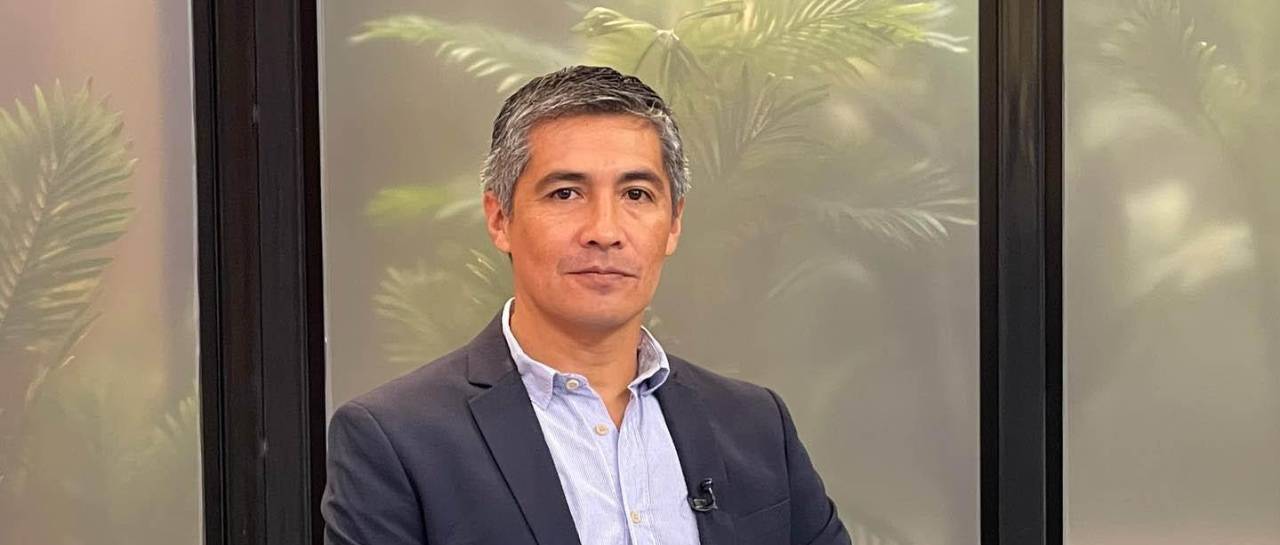
[Photo: UNITEL] / President-elect Rodrigo Paz with his economic advisor José Gabriel Espinoza
Deregulating the economy and facilitating trade and productive activity in the private sector will be key to reactivating the country’s economy, said José Gabriel Espinoza, economic advisor to president-elect Rodrigo Paz, on Tuesday night.
Paz and his team met with business leaders in El Alto, where they committed to restoring macroeconomic stability and balancing payments in order to stabilize the exchange rate and the supply of foreign currency, Espinoza noted.
Espinoza explained that several “deregulation commitments” were made, aimed at giving breathing space to the productive sector, which for 20 years “has been systematically attacked by the central government,” but now, the private sector will be the focus of the new administration’s policies.
He said that all quotas and price controls that have done “great harm” to the productive sector will be eliminated, and that there will also be a policy to end “tax abuse” by institutions such as Customs and the Tax Service.
“All this will help facilitate trade and productive activity so that the economy can recover,” Espinoza said.
He stated that foreign investment will be promoted and called on the business sector to demonstrate what it can produce, as well as contribute with “work, innovation, and development.”
Espinoza pointed out that the president-elect’s trip to the United States and his outreach to various international organizations were a “very important signal” to the world and reiterated that not only were financial backings secured, but also technical cooperation and other forms of support.
The economic advisor assured that there are a series of agreements with “all international organizations,” which will be made public once the accords are signed.
He reiterated that on November 8, the country will have a normal fuel supply, but afterward, efforts will focus on restructuring fuel provision. He also confirmed that the shortage of U.S. dollars will begin to be resolved.
According to Paz’s advisor, the new loans obtained will not be used for spending and consumption but for production, with part of the resources directed to the private sector.
Por Unitel:
“Vamos a facilitar el comercio y la actividad productiva para que la economía se reactive”, señala asesor económico de Paz
El presidente electo Rodrigo Paz y su equipo se reunieron con empresarios de El Alto, donde se comprometieron a restablecer la estabilidad macroeconómica
[Foto: UNITEL] / El presidente electo Rodrigo Paz junto a su asesor económico José Gabriel Espinoza
La desregulación de la economía, facilitar el comercio y la actividad productiva del sector privado serán la clave para reactivar la economía del país, afirmó la noche de este martes José Gabriel Espinoza, asesor económico del presidente electo Rodrigo Paz.
Paz y su equipo se reunieron con empresarios de El Alto, donde se comprometió a restablecer la estabilidad macroeconómica y equilibrar la balanza de pagos para estabilizar el tipo de cambio y la provisión de divisas, señaló Espinoza.
Espinoza explicó que se asumieron varios “compromisos de desregulación” enfocados a dar más aire al aparato productivo, que por 20 años “ha sido sistemáticamente atacado por el Gobierno central”, pero que ahora, el sector privado, será el centro de las nuevas políticas del Gobierno electo.
Dijo que se eliminarán todos los cupos, controles de precios, que han hecho “mucho daño” al sector productivo, y que también se tendrá una política para acabar con “el abuso tributario” de instituciones como la Aduana y el Servicio de Impuestos.
“Todo esto vamos a facilitar el comercio y la actividad productiva para que la economía se reactive”, dijo Espinoza.
Afirmó que se impulsará la inversión extranjera y pidió al sector empresarial que muestre lo que puede producir, además que aporte “trabajo, innovación y desarrollo”.
Espinoza señaló que el viaje del presidente electo a EEUU y el acercamiento a diversos organismos internacionales fueron una “señal muy importante” para el mundo y reiteró que no solo se han logrado respaldos financieros, sino también cooperación técnica y otras líneas de apoyo.
El asesor económico aseguró que hay una serie de acuerdos con “todos los organismos” internacionales que se harán públicos cuando se concrete la firma de los convenios.
Reiteró que el 8 de noviembre el país tendrá un abastecimiento normal de combustible, pero que luego se trabajará para reestructurar la provisión de los carburantes. También ratificó que se empezará a solucionar la falta de dólares.
Para el asesor de Paz, los nuevos créditos que se consiguieron no estarán destinados al gasto y al consumo, sino que irán la producción, por lo que una parte de los recursos estará destinado al sector privado.

 Bolivian Thoughts | Pensamientos Bolivianos (Bilingual/Bilingüe)